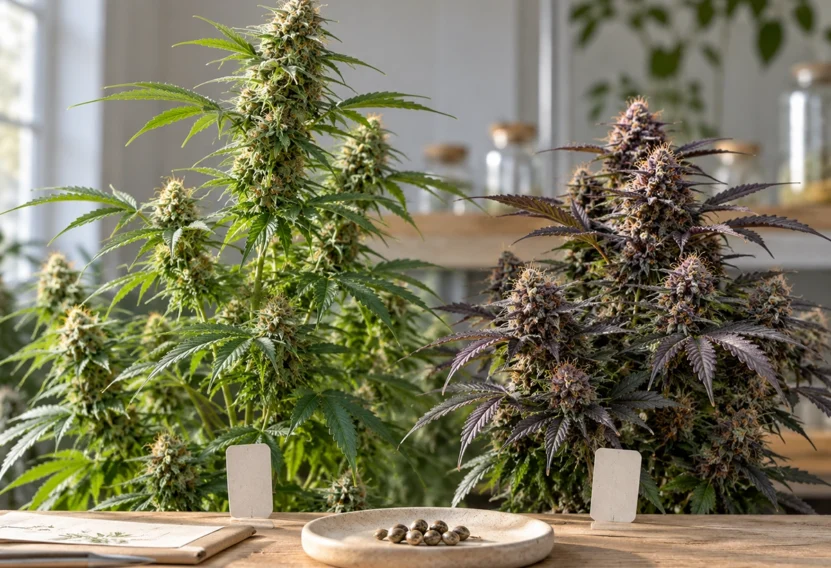
If you have ever compared two cannabis seeds from the same strain and wondered why the plants associated with those genetics are not necessarily identical, the answer comes down to two closely related ideas: genotype and phenotype.
These terms appear everywhere in cannabis genetics. Breeders talk about selecting particular phenotypes, strain descriptions may mention several recognisable phenotypes, and collectors will often see claims about stable genetics or particular traits being passed down through a lineage. It can all sound more complicated than it really is.
At its simplest, a cannabis plant’s genotype is the genetic information it inherits, while its phenotype is the collection of observable or measurable characteristics those genetics actually express. The important part is that phenotype is not determined by genetics alone. Environment, development and the interaction between those factors and the genotype can all influence how particular characteristics are expressed.
Understanding that distinction makes a lot of other cannabis terminology easier to follow, including strain variation, phenotype hunting, genetic stability and even why two seeds carrying the same strain name should not automatically be expected to produce identical results.
Cannabis Genotype vs Phenotype: The Simple Explanation
A useful way to think about genotype and phenotype is as potential versus expression. The genotype contains inherited genetic information that helps define what an organism may be capable of expressing. The phenotype is what actually becomes observable or measurable as that organism develops.
| Term | What It Means |
|---|---|
| Genotype | The inherited genetic makeup of an individual cannabis plant |
| Phenotype | The observable or measurable characteristics expressed by that individual |
| Chemotype | A way of describing or classifying a plant according to its chemical profile |
The common comparison of genotype being a “blueprint” and phenotype being the finished building is useful, but it is not perfect. A blueprint normally produces something according to a fixed plan, whereas living organisms are more complicated. Genetic information interacts with biological development and environmental conditions, so a particular genotype can express differently under different circumstances.
There is another important complication with cannabis seeds: two seeds from the same strain are generally siblings rather than genetic copies. They may share the same parentage and have a great deal of genetic material in common, but sexual reproduction reshuffles that genetic material. Their genotypes therefore need not be identical in the first place.
What Is a Cannabis Genotype?
A cannabis genotype is the genetic makeup inherited from the plant’s parents. DNA contains genes, and those genes can occur in different forms known as alleles. Together, that inherited genetic information contributes to a huge range of potential characteristics, from physical structure and development to aspects of cannabinoid and terpene production.
It is important not to reduce genotype to one headline characteristic. A plant does not have a “THC genotype” completely separate from everything else. Its genotype encompasses an enormous amount of inherited biological information, with different genes and combinations of genes contributing to different characteristics.
This is why lineage matters when discussing cannabis genetics. A seed produced from two particular parent lines inherits genetic material from both, but it does not simply receive a perfect 50/50 copy of every visible characteristic. The combinations inherited by individual offspring can differ, creating genetic variation even among seeds produced from the same parental line.
Does Every Cannabis Seed Have the Same Genotype?
No. This is one of the most useful distinctions to understand when comparing cannabis seeds. Seeds produced through sexual reproduction are generally genetically individual, even when they come from the same parents. Just as human brothers and sisters can share the same parents without having identical DNA, sibling cannabis seeds inherit different combinations of genetic material.
That does not mean every seed from an established line is completely unpredictable. Selective breeding can increase consistency by making particular genetic characteristics more common within a population. However, greater consistency is not the same as every seed being genetically identical.
A genetically identical copy is a different concept altogether. Clones originate from the same genetic individual, whereas seeds normally represent a new combination of inherited genetic material.
What Is a Cannabis Phenotype?
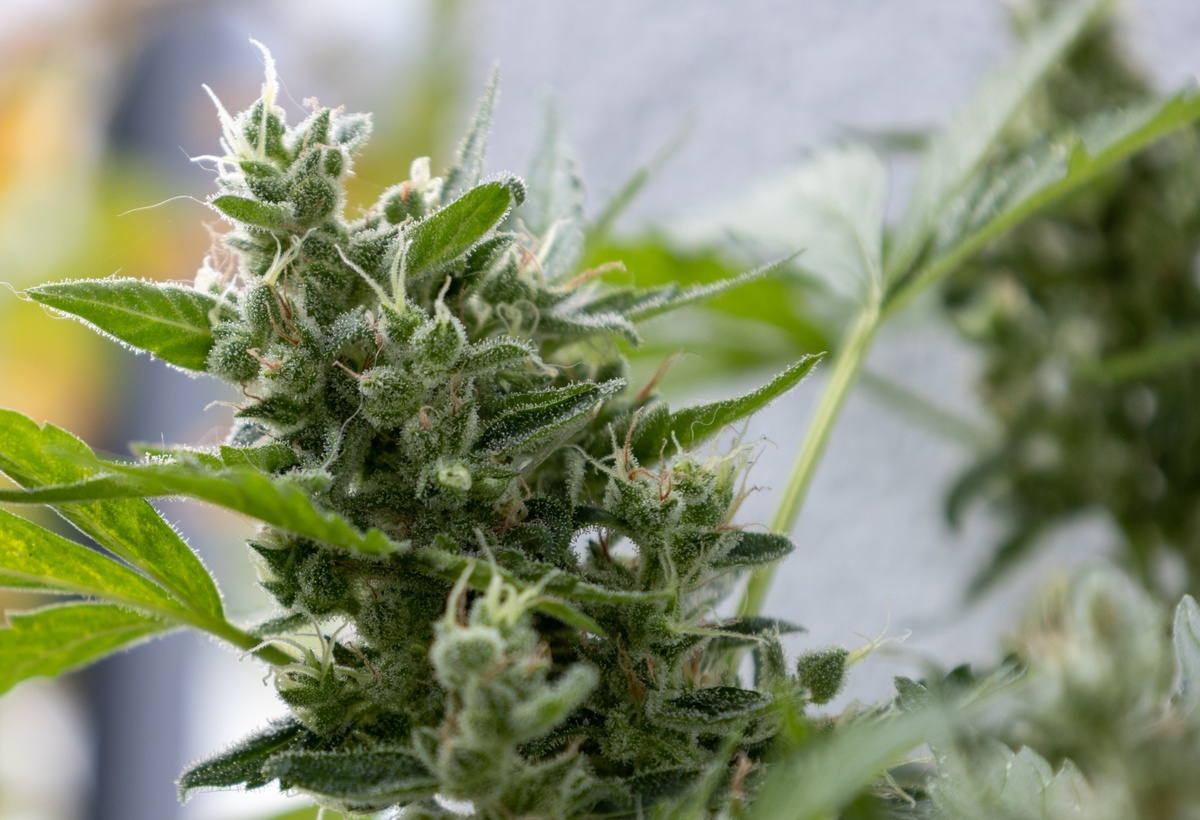
A phenotype is the collection of characteristics that an individual actually expresses. People often use the word purely to describe appearance, but phenotype is broader than whether a plant is tall, short, green or purple. Observable and measurable biological characteristics can all form part of phenotypic expression.
In cannabis, this can include physical structure, leaf characteristics, pigmentation, developmental timing and aspects of chemical expression such as cannabinoid and terpene profiles. Genetics plays a major role in determining what is possible, but the phenotype ultimately observed is influenced by both the genotype and the conditions under which that genotype develops.
This is why saying that a phenotype is simply “what the plant looks like” is useful as a beginner’s explanation but incomplete scientifically. Appearance is certainly part of phenotype, but so are characteristics that may need to be measured rather than seen.
What Traits Can Be Part of a Cannabis Phenotype?
Phenotypic characteristics can include obvious physical differences such as height, branching pattern, leaf shape and pigmentation, but the concept extends far beyond appearance. Aroma profiles, the relative abundance of particular terpenes, cannabinoid composition and aspects of plant development can also be measurable expressions of an individual’s biology.
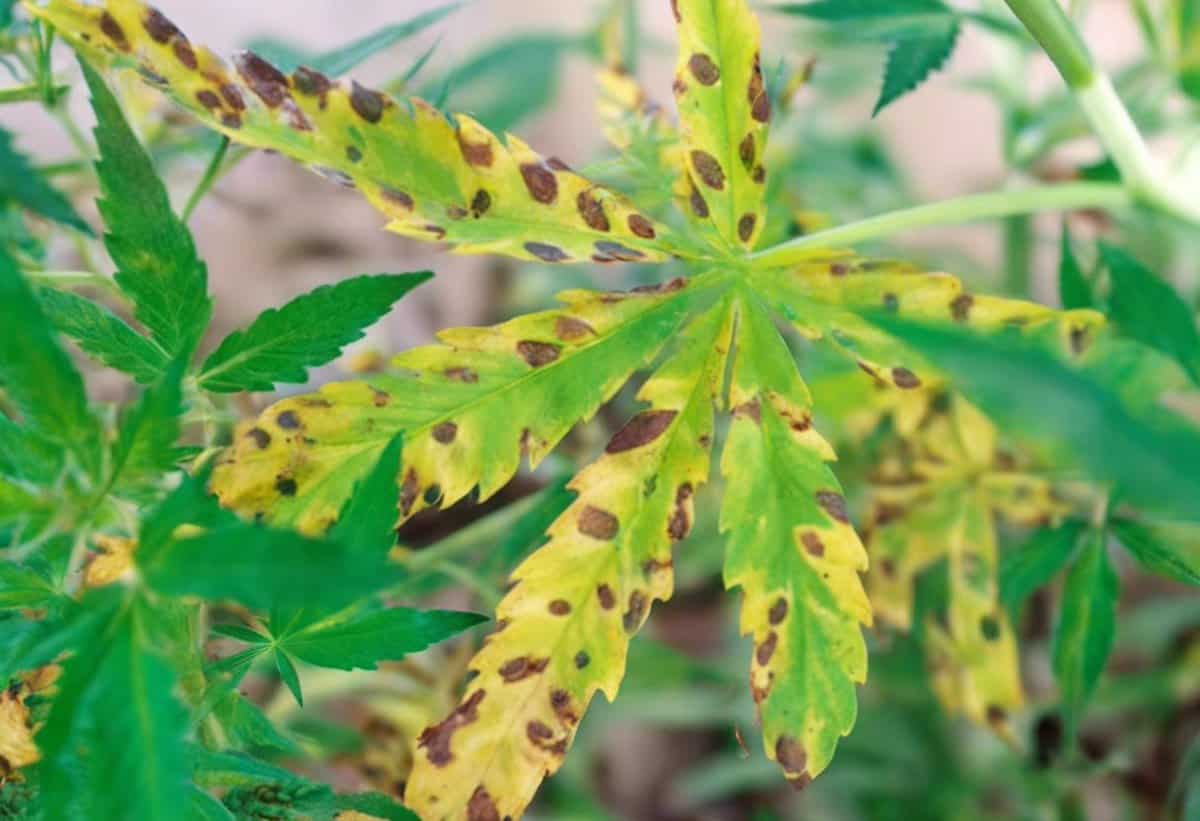
Some of those characteristics have a particularly strong genetic component, while others may be more visibly affected by environmental conditions. In many cases, the interesting part is the interaction between the two rather than trying to label a trait as exclusively “genetic” or “environmental”.
Why Can Cannabis Seeds From the Same Strain Look Different?
This is where genotype and phenotype become particularly useful concepts. If you have several seeds carrying the same strain name, it is tempting to assume they are essentially duplicates of one another. In reality, a strain or genetic line represents a population with shared ancestry rather than a packet of genetically identical seeds.
Individual seeds can inherit different combinations of alleles from the same parents. Those genetic differences can influence how particular traits are expressed. On top of that, environmental conditions can affect the expression of many characteristics, meaning variation can arise from differences in genotype, differences in environment, or the interaction between the two.
This is why variation within a strain is not automatically evidence that the genetics are poor or that something has gone wrong. Some degree of variation is a normal consequence of biology. What changes with selective breeding and greater genetic stability is usually the range and predictability of that variation rather than its complete disappearance.
Same Parents Doesn’t Mean Identical Genetics
The sibling comparison is particularly helpful here. Two children can inherit traits from the same parents yet look different from one another. One may resemble one parent more strongly in certain characteristics while the other expresses a different combination of inherited traits.
Cannabis genetics follows the same broad principle. Two seeds can share the same named mother and father while receiving different combinations of genetic material. Their shared ancestry may make certain characteristics common across the line, but it does not turn the offspring into genetic copies of each other.
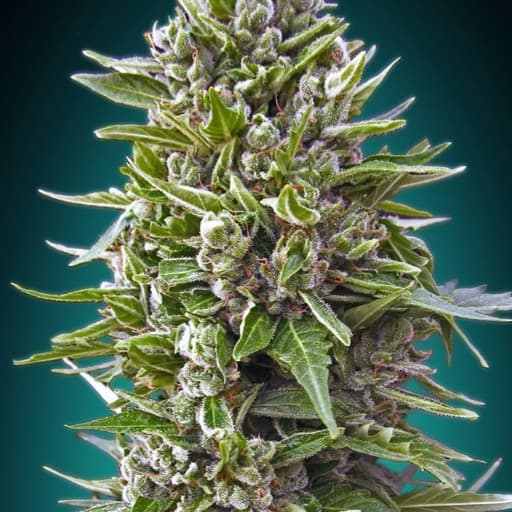
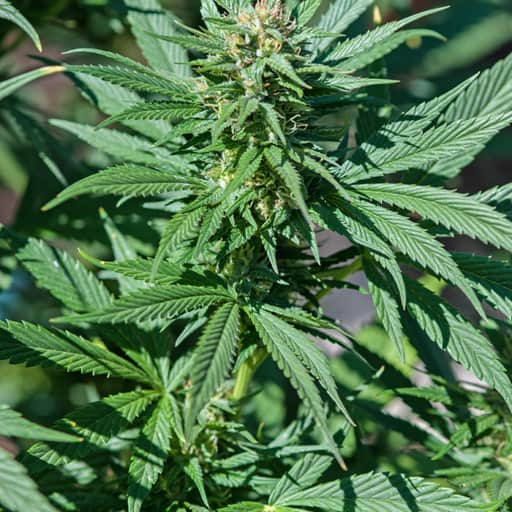
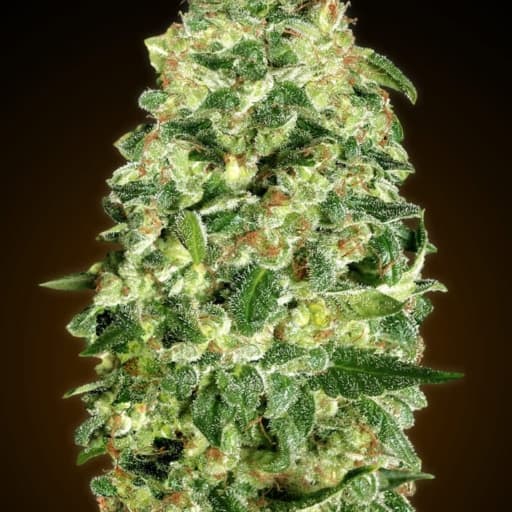
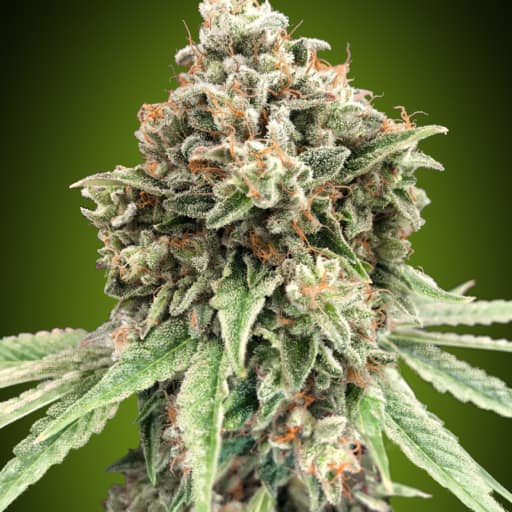
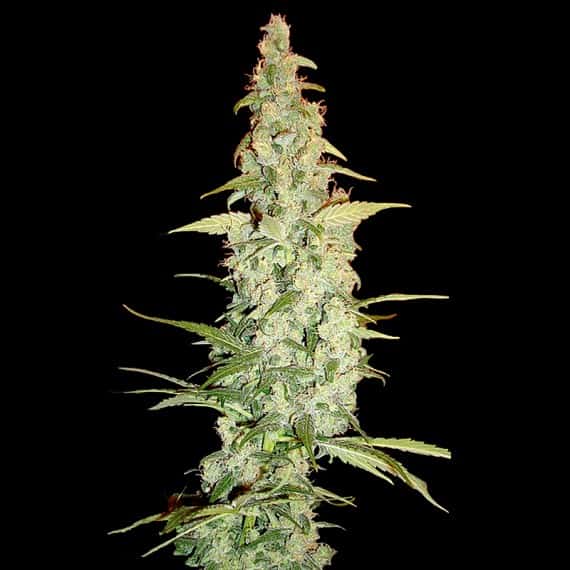
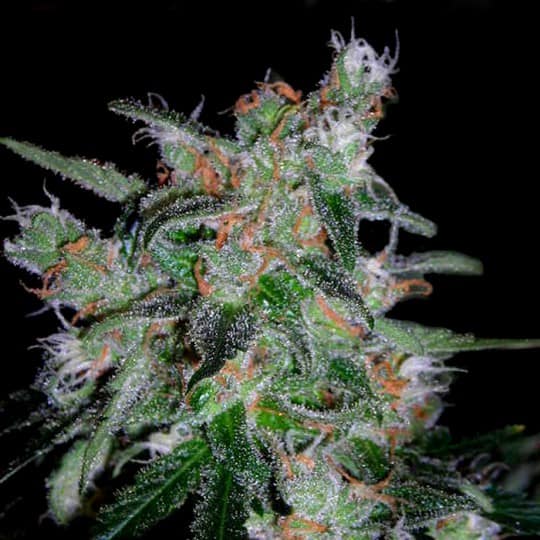
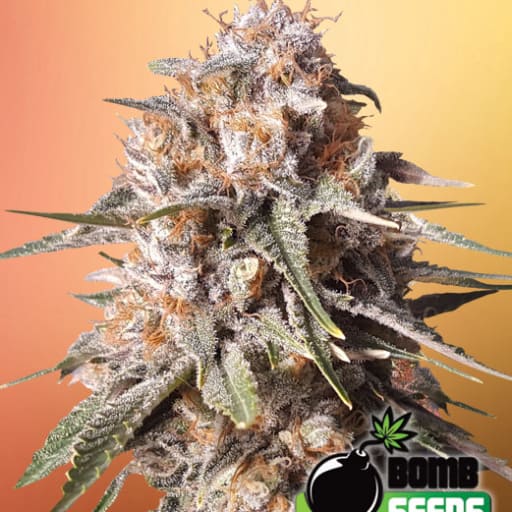
This is also why a photograph of one individual should not necessarily be treated as a guarantee of precisely what every other seed carrying the same strain name will look like. It represents one expression of those genetics rather than every possible expression contained within the wider line.
How Do Genetics and Environment Work Together?
Genetics establishes much of the biological potential available to an organism, but the environment can influence how some of that potential is expressed. Geneticists often describe this relationship as genotype-by-environment interaction, commonly shortened to G×E.
The key idea is not that the environment rewrites the underlying genotype. Instead, different environmental conditions can affect how characteristics associated with that genotype are expressed and measured. Some characteristics may remain comparatively consistent, while others can show much greater variation.
This is one reason phenotype should not be thought of as another word for genetics. A visible or measurable characteristic tells us something about the organism, but it does not necessarily tell us everything about the DNA responsible for it. Two individuals can look remarkably similar while having different genotypes, and genetically very similar individuals can display some different characteristics when their environments differ.
Can the Same Genotype Produce Different Phenotypes?
Yes. Genetically identical or extremely similar organisms do not have to express every characteristic identically under different conditions. Clones provide an easy conceptual example because they originate from the same genetic individual, yet variations in environmental conditions and development can still result in differences in their eventual phenotype.
That does not mean genetics becomes irrelevant. Quite the opposite: the genotype establishes the biological framework within which those responses can occur. The useful way to think about phenotype is therefore not “genetics or environment”, but genetics expressed within an environment.
Genotype, Phenotype and Chemotype: What’s the Difference?
There is a third term that frequently appears alongside genotype and phenotype in cannabis: chemotype. Although the three concepts are related, they are not interchangeable.
Genotype describes inherited genetic makeup. Phenotype describes characteristics that are actually expressed. Chemotype focuses specifically on chemical composition and is commonly used to group cannabis according to patterns in compounds such as THC and CBD. Depending on the classification system being used, cannabis chemotypes may be described as THC-dominant, balanced THC/CBD, CBD-dominant or by other characteristic cannabinoid profiles.
The connection between the three is where things become interesting. Cannabinoid production has a genetic basis, so genotype strongly influences chemical potential. However, the cannabinoid concentrations measured in plant material are an expressed characteristic. A chemotype is therefore a way of describing the resulting chemical profile rather than another word for genotype.
Is THC or CBD Level a Genotype or a Phenotype?
Neither answer on its own tells the whole story. The genetic ability to produce particular cannabinoids is rooted in genotype, while the amount and ratio actually measured are part of the plant’s expressed biochemical characteristics. Chemotype then gives us a useful way to classify those chemical profiles.
This also explains an important point about cannabis seeds themselves. A seed can carry genetics associated with a THC-dominant or CBD-rich plant without physically containing those same cannabinoid levels. We explore that distinction separately in our guide to whether cannabis seeds contain THC.
What Does “Phenotype” Mean When Seed Banks Describe a Strain?
Within the cannabis industry, you will often see descriptions saying that a variety has “two main phenotypes”, a particular “purple phenotype” or one expression that leans more heavily towards one side of its lineage. This is useful shorthand, although it is slightly less precise than the scientific definition.
What the description usually means is that individuals within that genetic population have been observed to fall into several recognisable patterns of expression. One may consistently display a particular group of characteristics while another expresses a somewhat different combination, despite both belonging to the same wider genetic line.
That information can be useful to collectors because it tells you something about the diversity present within the genetics. It should not, however, be interpreted as though every seed must fall neatly into one of two completely fixed templates. Biological variation is usually more complicated than that.
What Is Phenotype Hunting?
Phenotype hunting, often shortened to “pheno hunting”, is a term used by breeders for the process of assessing variation within a genetic population and identifying individual expressions that are particularly interesting or useful for a breeding programme.
The characteristics being assessed depend on the goals of the breeder. One breeding project may place greater emphasis on a particular chemical profile, while another may be interested in structure, pigmentation, aroma, developmental characteristics or a combination of several traits. The important point is that the breeder is looking at how inherited genetics have actually been expressed in individual members of the population.
Phenotype selection is one reason particular named genetic lines can become increasingly distinctive over time. By repeatedly selecting individuals that express desired characteristics and using those genetics in subsequent breeding work, breeders can increase the frequency and predictability of traits within future generations.
Why Do Cannabis Breeders Select Particular Phenotypes?
Selective breeding allows breeders to work towards particular goals rather than simply accepting every possible expression within a population. A breeder might identify an individual that displays an especially interesting combination of inherited characteristics and use that selection as part of a longer breeding programme.
Over successive generations, careful selection can narrow the range of variation and make desirable characteristics more predictable. This is also why documented lineage and breeder reputation matter. The name printed on a packet tells you far less about the underlying work than knowing which parent lines were used and how extensively a genetic line has been selected and developed.
What Does It Mean When Cannabis Genetics Are “Stable”?
When cannabis breeders or seed banks describe genetics as stable, they generally mean that important characteristics have become relatively predictable within the line. Stability is the result of breeding and selection reducing unwanted variation and increasing the likelihood that offspring will express the characteristics associated with that genetic line.
It does not mean that every seed is genetically identical or that every individual will have precisely the same phenotype. Seeds still represent individual genetic combinations, and biological variation remains possible. Stability is better understood as greater consistency across a population rather than complete uniformity.
This distinction matters because “stable” is sometimes interpreted as meaning there can only be one phenotype. In reality, a well-developed genetic line can be highly consistent while still showing some natural variation between individual offspring.
Do Stable Cannabis Seeds Produce Identical Phenotypes?
No. Greater genetic stability should generally mean a narrower and more predictable range of expression, but it does not turn seed-grown offspring into clones. Individual seeds can still inherit slightly different combinations of genetic material, and environmental influences can create additional differences in phenotype.
A better way to interpret stability is that the breeder has increased the probability of seeing the defining characteristics associated with the line. The range of possible outcomes becomes more controlled without necessarily becoming identical.
Phenotype vs Strain: Are They the Same Thing?
No. A phenotype and a strain are not the same thing, although cannabis terminology can sometimes make them sound interchangeable. A strain — more accurately described in many contexts as a cultivar or genetic line — refers to a named group of related genetics. A phenotype describes the characteristics expressed by an individual organism.
That means one named strain can contain multiple phenotypic expressions. If a breeder says a strain commonly displays two recognisable phenotypes, they are not saying that two completely different strains are hiding in the same packet. They are describing recurring patterns of expression within a shared genetic population.
This also explains why using a strain name alone can sometimes tell you less than you might expect. Breeder, parentage, generation and the stability of a particular genetic line can provide valuable additional context.
Why Genotype Matters When Comparing Cannabis Seeds
For collectors, understanding genotype and phenotype makes product information much easier to interpret. A photograph shows one phenotypic expression. A THC percentage describes a breeder-reported chemical characteristic associated with mature plant material. The strain name identifies a particular genetic line or commercial variety. None of those things, considered alone, tells you everything about the genetics inside an individual seed.
Lineage and breeder information help provide the missing context. Knowing the parent genetics, how a line was developed and which breeder produced it can tell you considerably more than simply choosing based on a photograph or a headline percentage.
This is why our cannabis seed collection includes information such as breeder, lineage, seed type and reported genetic characteristics wherever that information is available. For collectors interested in the genetics themselves, those details help put a strain name into context and make it easier to compare related varieties.
Frequently Asked Questions About Cannabis Genotypes and Phenotypes
Can Two Cannabis Plants Have the Same Phenotype but Different Genotypes?
Yes. Two genetically different individuals can express very similar observable characteristics. Looking alike does not mean two organisms have identical DNA, particularly where the characteristic being compared can arise through multiple genetic combinations or is influenced by environmental conditions.
This is why phenotype cannot be used as a perfect substitute for genetic testing. Appearance and other expressed characteristics provide information about an individual, but they do not reveal its complete genotype.
Can One Genotype Produce More Than One Phenotype?
Yes. Phenotype results from the expression of a genotype within a particular developmental and environmental context. The same genotype can therefore show differences in some expressed characteristics when circumstances change, even though the underlying genetic information remains the same.
How much variation occurs depends on the characteristic in question. Some traits are strongly constrained by genetics, while others show greater environmental sensitivity.
Are Feminised Seeds One Genotype?
No. Feminised cannabis seeds are not automatically genetically identical to one another. The term feminised refers to the way the genetics have been produced to give a very high likelihood of female offspring; it does not mean every seed in a pack carries exactly the same genotype.
Seeds from the same feminised line can still be genetic siblings and can inherit different combinations of parental genetic material. The degree of variation depends partly on the genetics and how extensively the line has been developed and stabilised.
Do Autoflowering Seeds Have Different Genotypes and Phenotypes?
Yes. Autoflowering is an inherited characteristic associated with the genetics of the plant, but individual autoflowering seeds can still carry different genotypes and display different phenotypic expressions.
A pack of autoflowering cannabis seeds therefore should not be understood as a collection of genetically identical seeds. They share genetics associated with the autoflowering characteristic, but variation can still exist elsewhere in their inherited makeup and eventual expression.
Is a Phenotype the Same as a Strain?
No. A strain or genetic line refers to a related population of cannabis genetics, while a phenotype describes the observable or measurable traits expressed by an individual. Several individuals belonging to the same strain can therefore display somewhat different phenotypes.
When seed descriptions refer to multiple phenotypes within one strain, they are describing recurring variations in expression within those related genetics rather than entirely separate strains.
Can You Identify a Cannabis Genotype by Looking at a Seed?
No. The colour, size, markings or shape of a cannabis seed cannot reveal its complete genotype. Physical appearance may tell you something about the seed itself, but it is not a reliable way to identify parentage, cannabinoid potential, terpene profile or the other genetic characteristics associated with a particular line.
For a collector, documented breeder and lineage information is therefore considerably more useful than trying to identify genetics from appearance alone.
Understanding Genotype and Phenotype
The difference between cannabis genotype and phenotype becomes much simpler once you separate what is inherited from what is expressed. Genotype is the genetic information an individual receives from its parents. Phenotype is the collection of observable and measurable characteristics that emerge as those genetics interact with biological development and the environment.
It also explains why two cannabis seeds carrying the same strain name do not have to be identical. They are usually genetic siblings rather than copies, and each can inherit a different combination of parental genetic material. Even very similar genotypes can then express some characteristics differently depending on environmental influences.
For collectors, that makes lineage, breeder information and genetic stability especially useful when comparing seeds. A product photograph or headline characteristic shows part of the story; understanding the genetics behind the strain tells you much more about where that potential comes from.