
Shop feminised cannabis seeds from recognised breeders, with a wide choice of genetics, pack sizes and cannabinoid profiles. Explore popular strains from Barney’s Farm, DNA Genetics, Bomb Seeds, Fast Buds and more, ranging from classics to newer varieties.
Feminised Cannabis Seeds
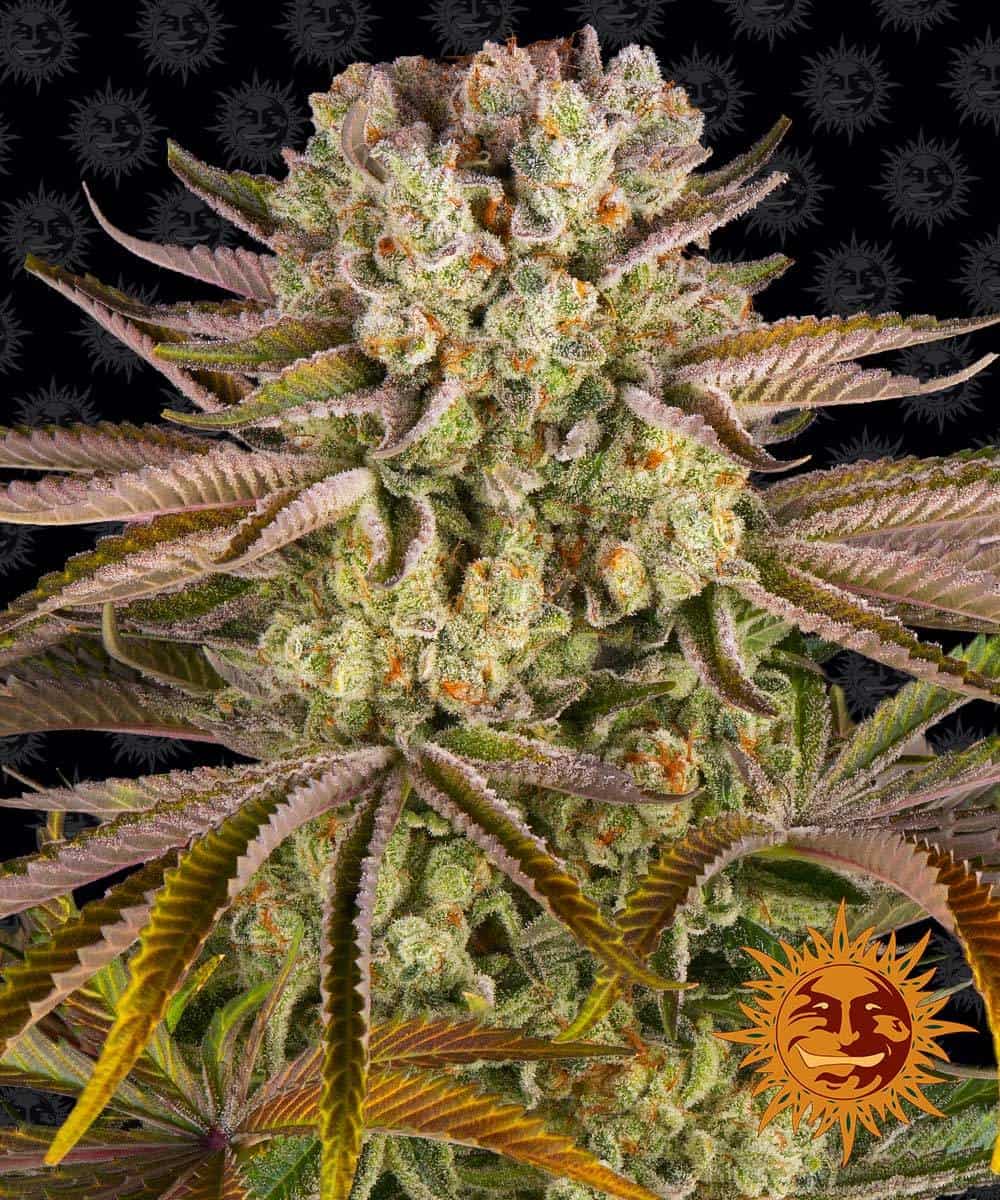

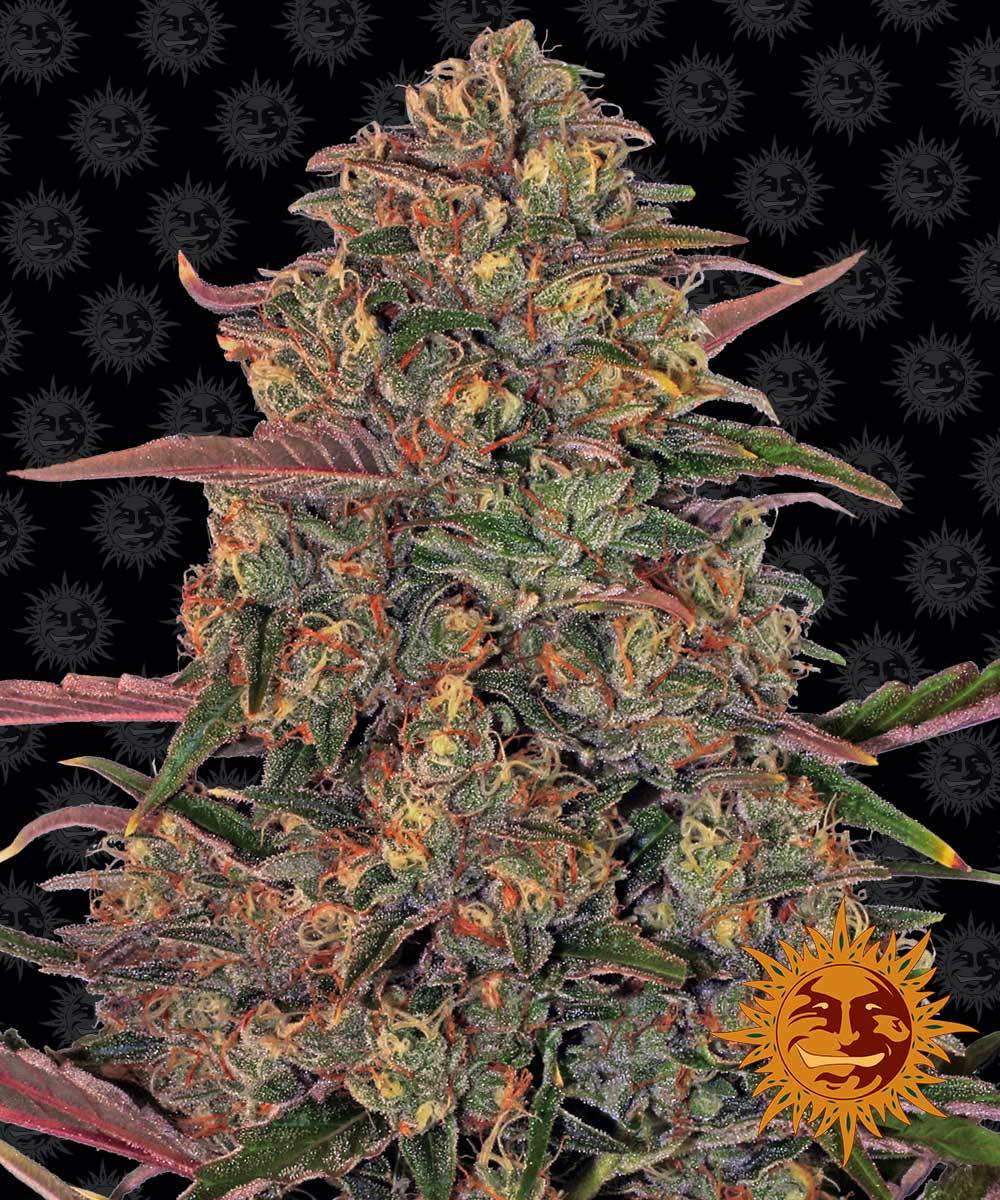
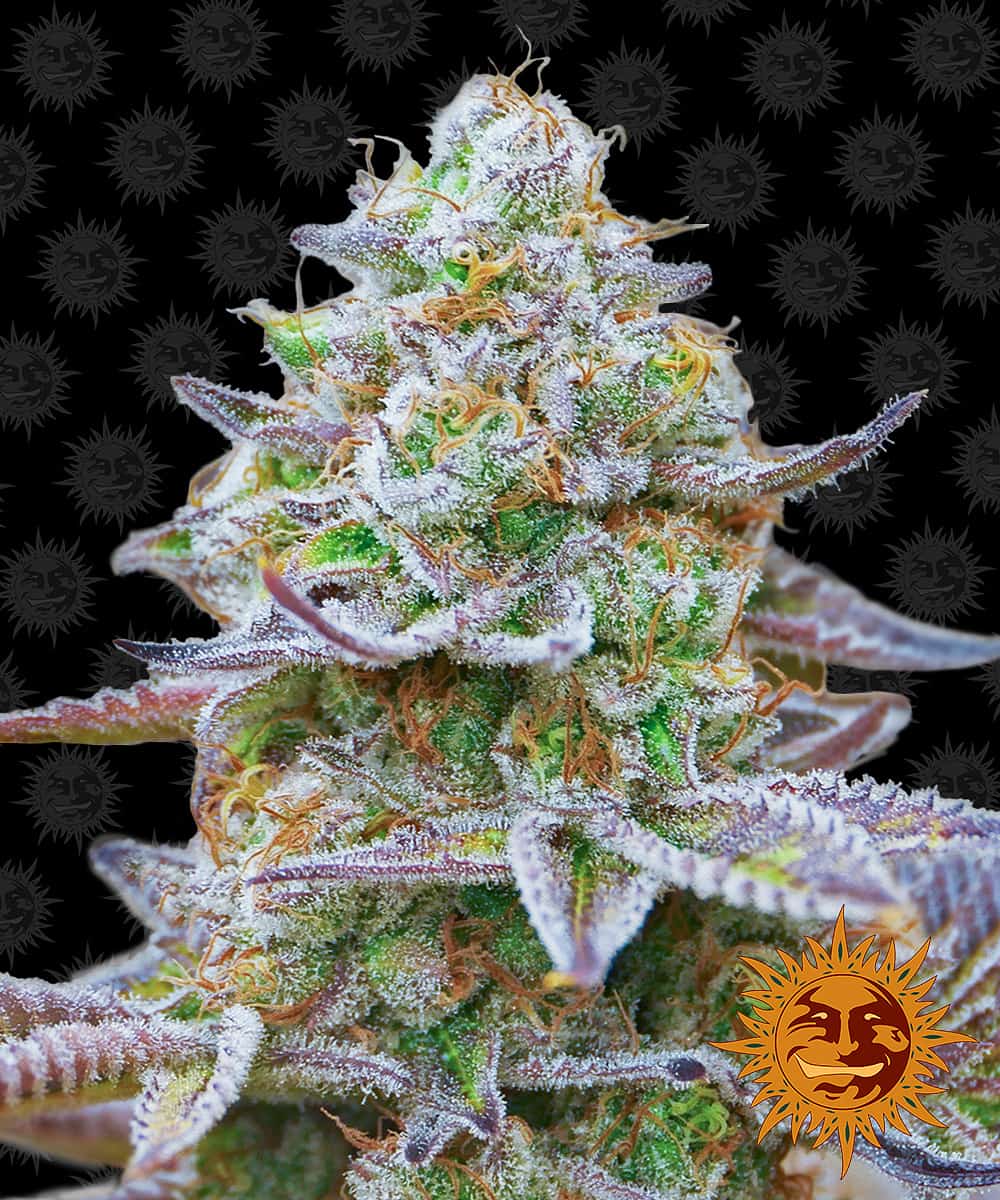
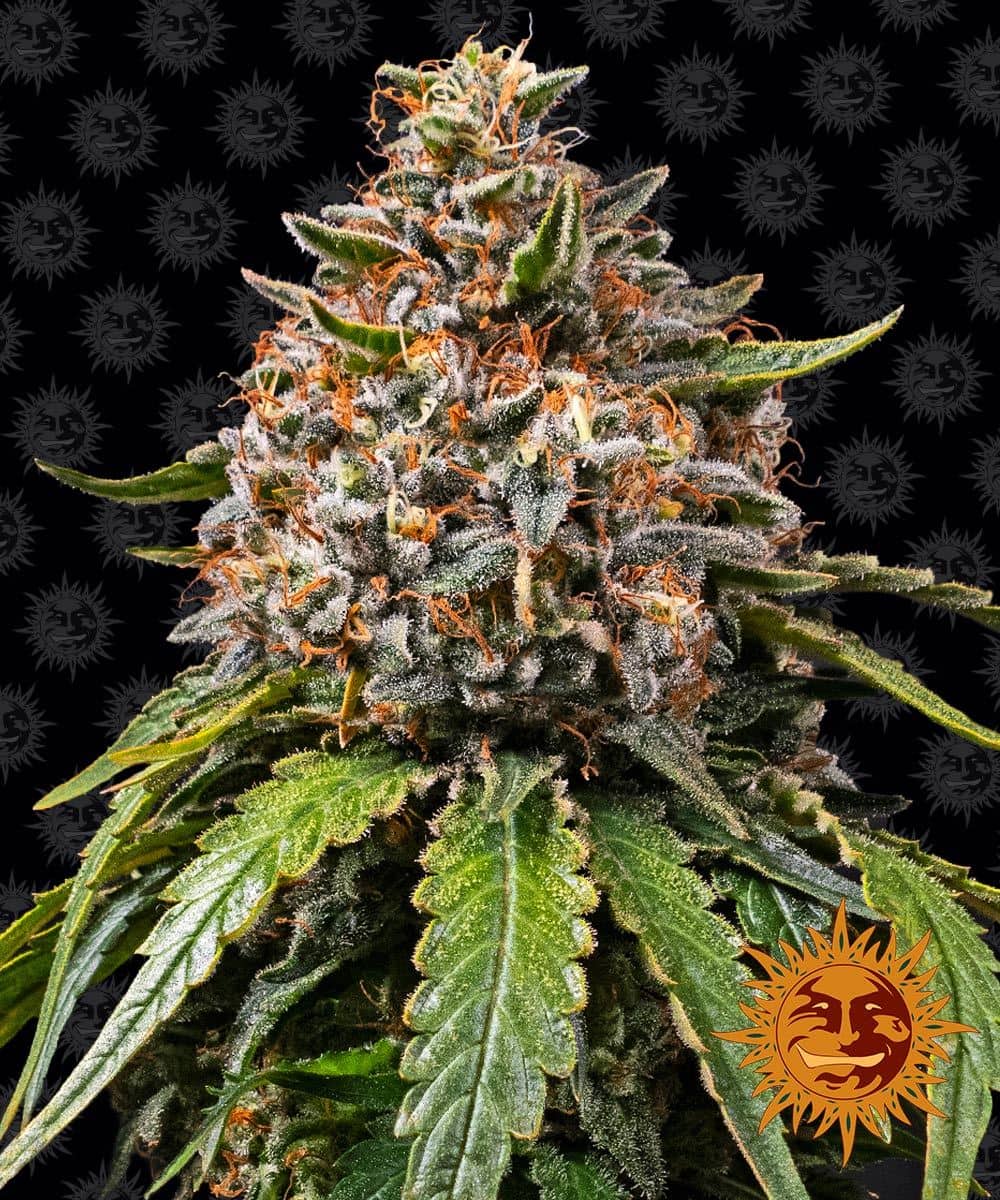



Filter Feminised Seeds
Feminised Seeds: Female Genetics by Design
The cannabis seed industry has developed considerably over recent decades. While growers once relied almost entirely on regular seeds, modern breeding techniques have made feminised cannabis seeds widely available.
Feminised seeds are bred to have a very high likelihood of producing female plants. This reduces the need to identify and remove males, helping growers make more efficient use of their time and available space. Since becoming commercially established during the 1990s, feminised cannabis seeds have grown into one of the most popular seed categories on the market.
Below, you’ll find useful information about how feminised seeds are created, how they compare with other seed types and the characteristics that make them so widely chosen.
How Do Feminised Cannabis Seeds Work?
Traditional regular cannabis seeds can produce either male or female plants, with each seed generally having a roughly equal chance of expressing either sex. Male plants produce pollen, while female plants produce the resinous flowers commonly associated with cannabis.
Feminised cannabis seeds are created using breeding techniques that encourage a female plant to produce pollen. This pollen is then used to pollinate another female plant, producing seeds without the male chromosomes normally associated with regular breeding.
The result is a very high likelihood of female plants, although no natural seed should be described as an absolute guarantee. The reliability of the final genetics depends on the breeder, the stability of the parent plants and the quality of the feminisation process.
Feminised vs Regular Seeds
Before feminised seeds became widely available, regular cannabis seeds were the standard choice. Regular seeds retain both male and female genetic potential, making them particularly useful for traditional breeding, genetic preservation and the creation of new strains.
Feminised seeds remove much of the uncertainty surrounding plant sex. This makes them a popular choice for growers who want to maximise the proportion of female flowering plants within their available space.
Neither seed type is inherently better. Regular seeds may appeal to breeders interested in male genetics and wider genetic diversity, while feminised seeds offer greater predictability and convenience.
Feminised vs Autoflowering Seeds
Feminised and autoflowering describe two different genetic characteristics. Feminised seeds are bred to have a high likelihood of producing female plants, while autoflowering cannabis seeds begin flowering according to age rather than relying entirely on changes in the light cycle.
Many autoflowering seeds are also feminised, meaning a seed can belong to both categories. Traditional feminised photoperiod strains usually offer a longer vegetative period and often greater control over final plant size, while autoflowers are commonly associated with shorter life cycles and more compact structures.
Feminised photoperiod strains may produce larger yields than comparable autoflowers, although this varies considerably according to the genetics, environment and level of care provided. The right choice depends on the breeder, strain and characteristics the grower values most.
The Science of Feminised Seeds
Feminised cannabis seeds are produced by encouraging a genetically female plant to develop pollen-producing flowers. This pollen contains female chromosomes and can be used to pollinate another female plant.
Early feminisation methods sometimes relied on environmental stress to trigger pollen production. However, this could increase the risk of passing unstable or intersexual traits into the next generation.
Modern breeders typically use more controlled techniques involving silver-based solutions such as colloidal silver or silver thiosulphate. These temporarily interrupt the plant’s natural ethylene response, causing a female plant to produce pollen without introducing male genetics.
The pollen is collected and applied to a selected female plant. The resulting seeds are then tested and stabilised over subsequent generations to improve reliability and reduce the likelihood of undesirable traits.
The quality of feminised seeds can therefore vary between breeders. Careful parent selection, genetic stability and thorough testing are all important parts of producing dependable feminised genetics.
Advantages of Feminised Seeds
Regular, feminised and autoflowering seeds each offer different advantages. The right choice will depend on factors such as the grower’s experience, available space, preferred strain and desired level of control.
Some of the principal advantages associated with feminised cannabis seeds are outlined below.
High Likelihood of Female Plants
The defining advantage of feminised seeds is their high likelihood of producing female plants. This reduces the time and effort required to identify and remove males during the early flowering stage.
It also allows growers to plan their available space more accurately. Rather than starting additional regular seeds to account for possible males, growers can expect a much higher proportion of flowering females from a feminised batch.
However, feminised does not mean genetically identical. Individual plants grown from seed can still express slightly different characteristics inherited from their parent genetics.
Efficient Yields
Feminised seeds do not automatically increase the yield of an individual plant. Their principal advantage is that a much greater proportion of the available growing space is occupied by female flowering plants.
This can improve the overall efficiency of a crop compared with regular seeds, where male plants may need to be identified and removed before they pollinate the females.
Final yield depends on the strain, plant size, environmental conditions, lighting, nutrition and general care. Any yield figures supplied by a breeder should be treated as estimates rather than guaranteed results.
Better Use of Space
Available space is an important consideration for many growers. With regular seeds, additional plants may need to be started to compensate for those that later express male characteristics.
Feminised seeds make it easier to estimate how many female plants are likely to occupy the available area. This can be particularly useful where space is limited or where a consistent canopy is important.
Plant size still varies significantly between strains, so growers should check the breeder’s expected height and structure before selecting a particular variety.
Feminised Cannabis Seeds and Germination
Feminised cannabis seeds germinate through the same biological process as regular and autoflowering seeds. Common approaches include direct sowing, soaking and the paper-towel method.
No method can guarantee that every seed will germinate. Viability can be affected by genetics, age, storage, handling, moisture and temperature.
Once germination begins, a small white root known as the taproot emerges from the seed. This grows downwards while the first shoot develops and moves towards the surface.
How Does Germination Work?
Successful germination depends on providing a stable environment that allows the seed to absorb moisture and begin developing without becoming waterlogged or damaged.
Important factors include:
- Moisture – Seeds need consistent moisture, but excessive water can reduce oxygen around the seed and increase the risk of rot.
- Warmth – A stable, suitably warm environment supports the biological processes involved in germination.
- Careful handling – The emerging taproot is delicate and can be easily damaged.
- Correct orientation – When transferring a germinated seed, the taproot should generally face downwards.
- Appropriate depth – Seeds should not be planted so deeply that the emerging shoot struggles to reach the surface.
- Stable conditions – Sudden changes in temperature or moisture can affect early development.
Germination and cultivation should only take place where legally permitted.
Can Feminised Seeds Be Grown Outside?
Feminised cannabis seeds can be grown outdoors in countries where cultivation is permitted. Most traditional feminised varieties are photoperiod-dependent, meaning they respond to seasonal changes in daylight.
In cooler northern climates, outdoor growers commonly begin during spring after the risk of frost has passed. Plants then develop through the brighter summer months before flowering as the days become shorter.
The most suitable timing depends on the climate, strain and expected flowering period. Long-flowering Sativa varieties may struggle to finish in cooler regions, while faster Indica-dominant genetics are often better suited to shorter seasons.
When selecting feminised seeds for outdoor growing, consider:
- Expected flowering time
- Local climate and season length
- Resistance to mould and humidity
- Expected height and structure
- Breeder-reported yield
- Indica, Sativa or Hybrid dominance
Can Feminised Seeds Be Grown Inside?
Indoor environments provide greater control over light, temperature, humidity and nutrients. This allows growers to manage the vegetative and flowering stages more precisely than they usually can outdoors.
Because feminised photoperiod strains respond to changes in the light cycle, growers can determine when the flowering stage begins by adjusting the balance between light and darkness.
Indoor growing also makes it easier to manage plant height and environmental conditions, although available space, lighting and ventilation remain important considerations.
When selecting feminised seeds for indoor growing, consider:
- Available height and floor space
- Expected flowering period
- Plant structure and stretch
- Aroma and terpene profile
- Breeder-reported yield
- Parent genetics
Light Cycles for Feminised Cannabis Seeds
Most feminised cannabis seeds are photoperiod varieties. This means the associated plants remain in vegetative growth while receiving longer periods of light and begin flowering after the period of uninterrupted darkness increases.
Indoors, growers commonly use a longer daily light period during the vegetative stage before switching to an even balance of light and darkness to trigger flowering. Exact schedules can vary according to the strain, equipment and growing method.
Outdoors, the changing seasons control this process naturally. Plants generally remain in vegetative growth through the longer summer days before beginning to flower as daylight hours decrease.
Lighting is only one part of the environment. Temperature, humidity, airflow, nutrition and watering can all influence the final health and development of the plant.
Who Benefits Most from Feminised Seeds?
Feminised cannabis seeds are popular with both novice and experienced growers. Beginners may appreciate the reduced likelihood of male plants, while experienced growers often value the predictability and efficient use of space they provide.
They may be particularly suitable for growers looking for:
- A high likelihood of female plants
- Efficient use of available space
- A broad choice of established strains
- Greater control over the vegetative period
- Potentially larger plants than many autoflowering varieties
- Modern hybrids and specialist breeder genetics
Feminised seeds can also be used in breeding projects, although regular seeds remain important where male genetics and traditional breeding stock are required.
As with every seed type, the quality and stability of the genetics depend heavily on the breeder and the parent plants used.
Why Choose BudChampion for Feminised Cannabis Seeds?
BudChampion offers a broad selection of feminised cannabis seeds from recognised breeders and brands around the world. Our collection includes classic strains, modern hybrids, CBD-rich varieties and specialist genetics across a range of pack sizes.
We aim to provide clear information about each product, including the breeder, parent genetics, flowering characteristics, reported cannabinoid profile and available pack sizes. This makes it easier to compare feminised seeds before placing your order.
As a UK cannabis seed bank, BudChampion combines a diverse product selection with secure payments, discreet packaging and responsive customer service.
Browse our feminised cannabis seed collection and discover genetics from established breeders around the world.
Frequently Asked Questions
BudChampion is here to answer your questions about feminised cannabis seeds. Below, you’ll find answers to some of the most common queries about feminised genetics. Please contact us if you need further information about a breeder, strain, seed type or pack size.
Cannabis seeds can legally be bought and owned in the UK because the seed itself is excluded from the controlled definition of cannabis. However, germinating or cultivating cannabis without the appropriate Home Office licence is unlawful.
Laws differ between countries, so customers should check the rules covering the purchase, possession and import of cannabis seeds in their location before ordering.
Feminised seeds are created by encouraging a genetically female cannabis plant to produce pollen. Breeders commonly achieve this using a carefully controlled silver-based treatment, such as colloidal silver or silver thiosulphate.
The pollen is collected and used to pollinate another female plant. Because no male chromosomes are involved, the resulting seeds have a very high likelihood of producing female plants. Reputable breeders then test and stabilise the genetics over subsequent generations.
Feminised seeds have a very high likelihood of producing female plants, but no natural seed can be guaranteed to express a particular sex every time.
The reliability of feminised seeds depends on the quality of the breeding process, the stability of the parent genetics and environmental conditions. Established breeders typically provide information about the expected reliability of their feminised lines.
Neither type is automatically better because feminised and autoflowering describe different characteristics. Feminised seeds are bred to produce female plants, while autoflowering cannabis seeds begin flowering according to age rather than relying on a change in the light cycle.
Traditional feminised photoperiod varieties generally allow a longer vegetative period and greater control over final plant size. Autoflowers are commonly associated with shorter life cycles, compact structures and a simpler flowering process. Many autoflowering seeds are also feminised.
No natural seed can be guaranteed to germinate. Viability can be affected by genetics, age, storage conditions, temperature changes, moisture and handling.
Reputable breeders aim to supply healthy, viable seeds, but any stated germination rate should be treated as an estimate rather than an absolute guarantee. Proper storage before use can also help preserve seed viability.
For outdoor cultivation, feminised photoperiod varieties are generally started during spring after the risk of frost has passed. This allows the plants to develop during the longer summer days before flowering as daylight hours begin to shorten.
The ideal timing depends on the local climate and the strain’s flowering period. Faster Indica-dominant varieties may be better suited to shorter seasons, while longer-flowering Sativa varieties generally require more time and consistently favourable weather.
Indoors, the time of year is less important because light, temperature and humidity can be controlled.
The total time depends on the strain and how long the plant remains in its vegetative stage. Once flowering begins, many feminised photoperiod strains take approximately eight to ten weeks to finish, although faster varieties may take less time and long-flowering Sativas may take twelve weeks or more.
The vegetative period must be added to this flowering time when estimating the complete seed-to-harvest cycle. All times shown in product descriptions are breeder estimates and can vary according to the environment.
Not necessarily. Feminised seeds are available across the full range of cannabinoid profiles, including THC-dominant, CBD-rich and balanced strains.
Feminisation affects the likelihood of the plant being female; it does not determine THC content. The expected cannabinoid profile comes from the strain’s parent genetics and breeding history. Any percentages shown are breeder estimates rather than guaranteed results.
Seeds cannot be cloned, but a plant grown from a feminised seed can be propagated from a cutting. The cutting will carry the same genetics and sex as the parent plant.
Clones are genetic copies rather than new combinations of parent genetics. Their development and final characteristics can still be influenced by their environment and care.
Yes. Plants grown from feminised seeds are not sterile and can produce seeds if their flowers are pollinated.
They may be pollinated using pollen from a male plant, resulting in regular seeds, or using feminised pollen from another female plant, resulting in seeds with a high likelihood of being female. The quality and stability of the resulting seeds depend on the parent genetics and breeding process.