
Shop autoflowering cannabis seeds from recognised breeders, with a wide choice of genetics, pack sizes and cannabinoid profiles. Explore popular autoflower strains from leading breeders, ranging from established classics to modern hybrids and newer varieties worldwide.
Autoflowering Cannabis Seeds
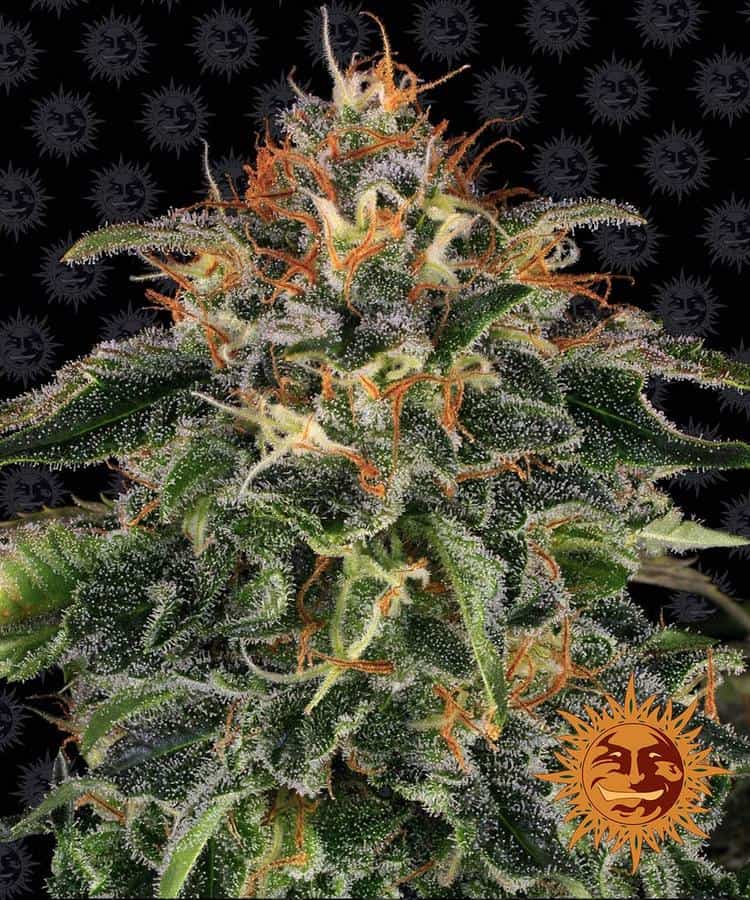
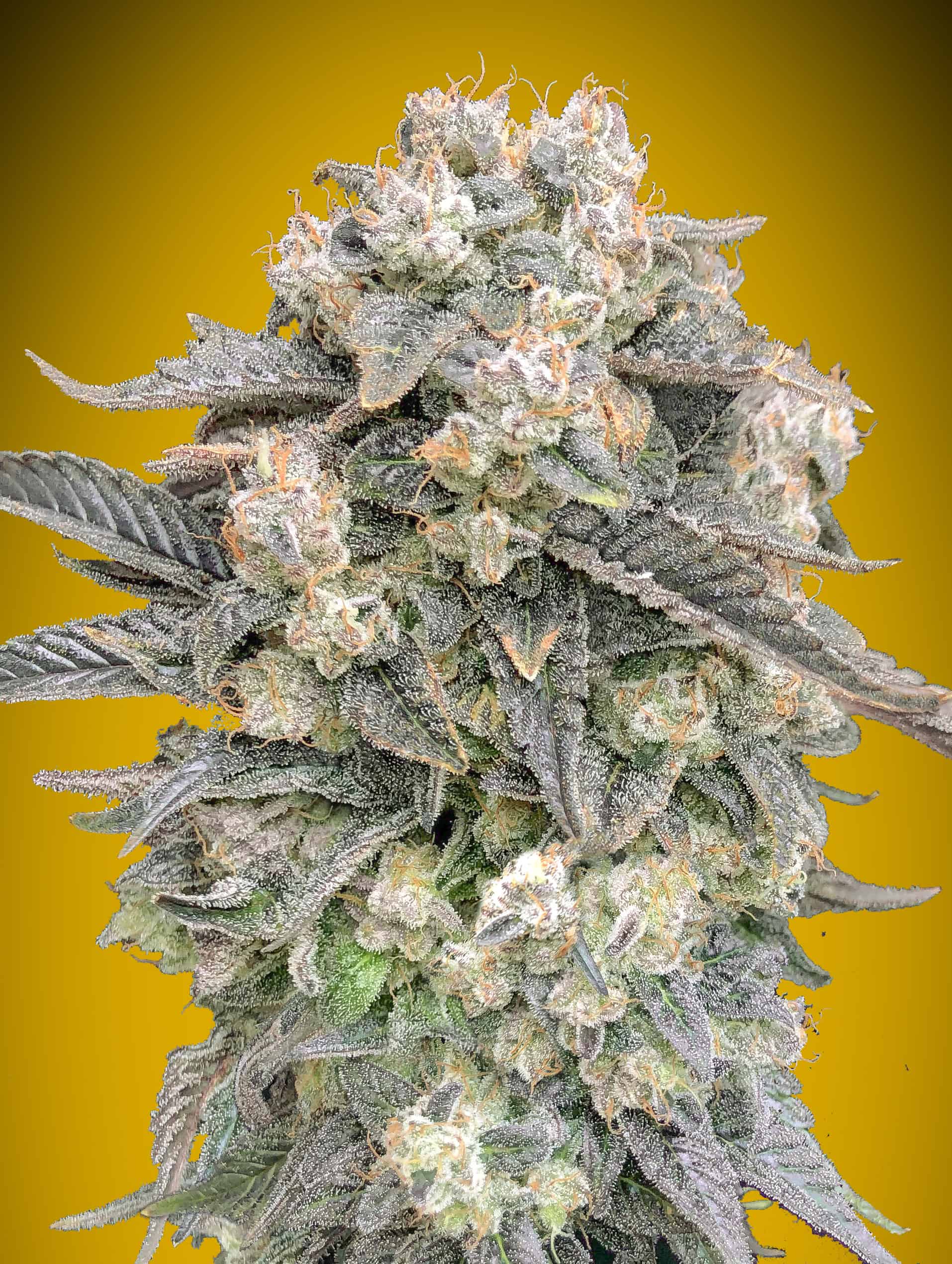
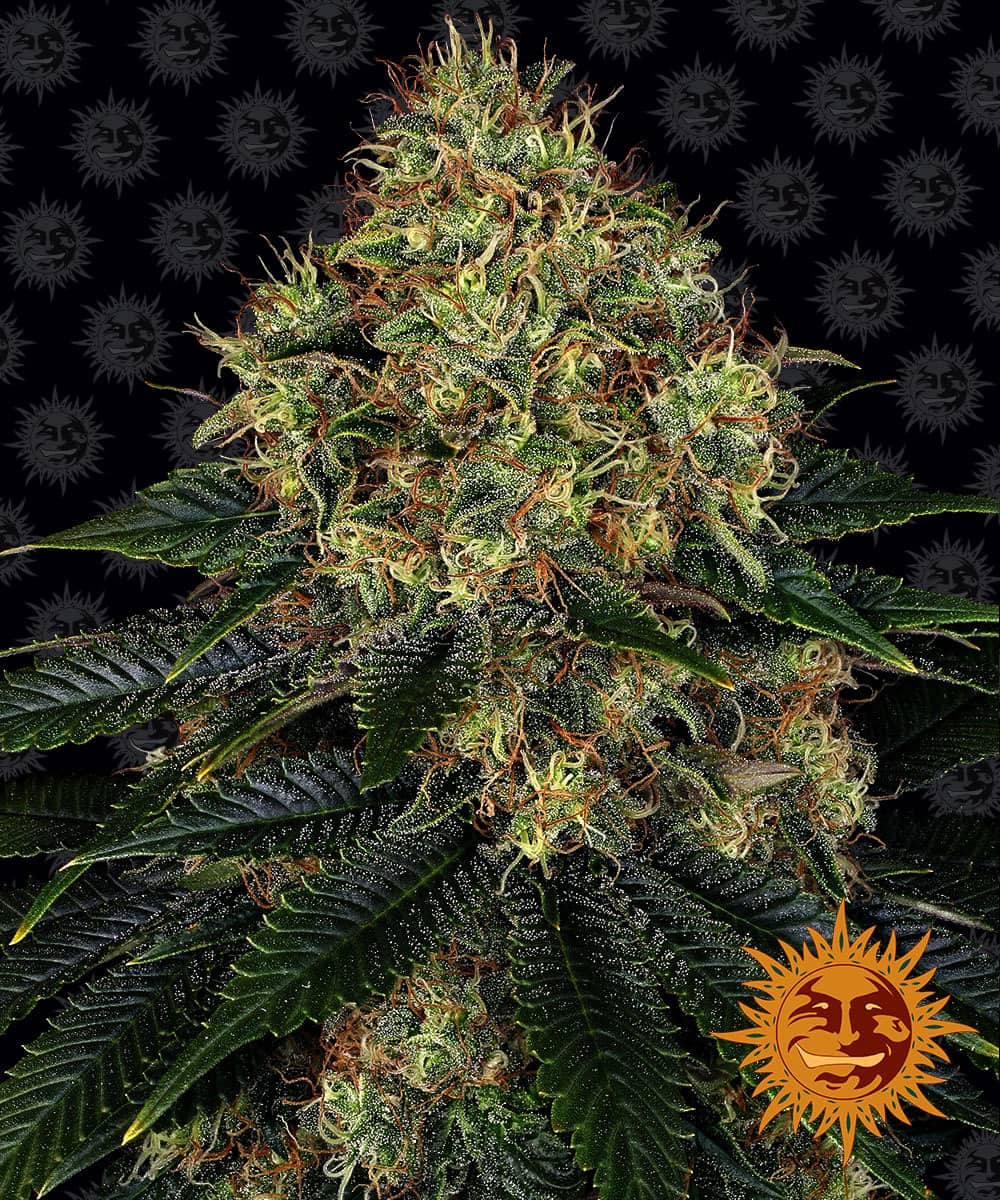
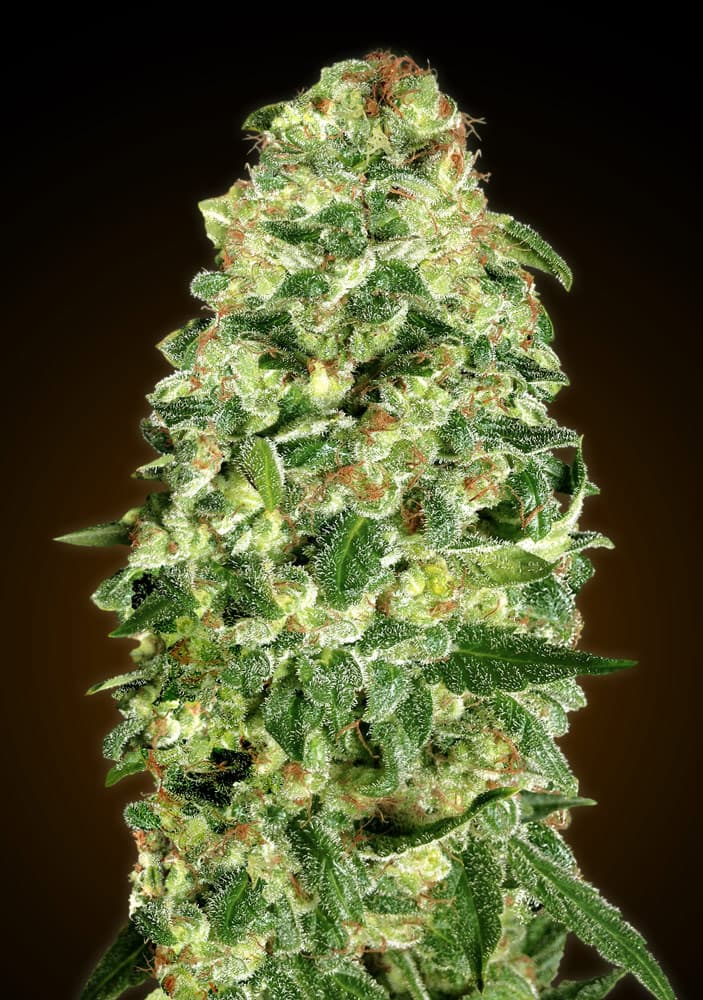



Filter Auto Flower Seeds
Autoflowering Cannabis Seeds: The Seed for Speed
Autoflowering seeds are best known for their speed and convenience. Unlike traditional regular or feminised photoperiod seeds, autoflowering varieties are selectively bred to begin flowering according to age rather than relying on a change in the light cycle.
For many growers, this removes one of the more complicated aspects of cultivation. Autoflowers also tend to complete their life cycle more quickly than regular and feminised seeds, although exact timings vary between strains. These characteristics have made autoflowering cannabis seeds popular with both novice and experienced growers in locations where cultivation is permitted.
How Do Autoflowering Seeds Work?
To understand how autoflowering seeds work, it helps to look at the cannabis life cycle. This is generally divided into two main stages: the vegetative stage and the flowering stage.
Traditional cannabis seeds, commonly known as photoperiod varieties, usually begin flowering in response to longer periods of darkness. Autoflowering strains behave differently. Their flowering stage is triggered primarily by the plant’s age, rather than by seasonal or controlled changes in light exposure.
Autoflowering seeds are available in both regular and feminised versions. Regular autoflower seeds may produce male or female plants, while feminised autoflower seeds are bred to have a high likelihood of producing female plants. Feminised autoflowers are the most widely available option on the commercial market.
The Science of Autoflowering Seeds
Regular and traditional feminised cannabis seeds are commonly described as photoperiod-dependent or photoperiodic. This term can be broken down as follows:
- Photo = light
- Period = length of time
- Dependent = influenced or determined by
Put simply, photoperiod cannabis varieties respond to changes in the amount of light and darkness they receive. Autoflowering varieties carry genetics that allow them to begin flowering according to maturity, without requiring the same change in light exposure.
This does not mean autoflowers require no light or care. Light, temperature, nutrients, water and the surrounding environment can still influence plant development, quality and final results.
Cannabis Ruderalis
Cannabis ruderalis genetics are responsible for the autoflowering characteristic. Ruderalis developed naturally in regions with shorter growing seasons and colder climates, including parts of Russia, Central Asia and Eastern Europe.
Because these regions offered a relatively short period in which plants could reproduce, ruderalis varieties adapted by beginning to flower according to age rather than waiting for seasonal changes in daylight.
Breeders recognised the value of this trait and crossed ruderalis genetics with established Sativa, Indica and Hybrid varieties. After generations of selective breeding, modern autoflowering strains now combine age-dependent flowering with many of the aromas, flavours, cannabinoid profiles and characteristics associated with popular photoperiod strains.
Advantages of Autoflowering Cannabis Seeds
Autoflowering cannabis seeds offer several potential advantages over traditional photoperiod varieties. They are commonly associated with shorter life cycles, compact structures and reduced reliance on changes in light exposure.
However, autoflowers are not completely maintenance-free, and results will vary according to the strain, breeder, environment and level of care provided. Some of their most widely recognised characteristics are outlined below.
Lower Maintenance
Autoflowering strains do not require a change in the light cycle to begin flowering, which can make them simpler to manage than photoperiod varieties. This removes the need to manually trigger the flowering stage by altering the hours of light and darkness.
They still require appropriate moisture, light, nutrients, temperature and general care. Autoflowers also have a relatively short life cycle, so issues affecting a young plant may leave less time for recovery than with some photoperiod varieties.
Compact Plant Structure
Many autoflowering varieties are more compact than their regular or feminised photoperiod counterparts. This characteristic is partly inherited from Cannabis ruderalis, although modern autoflowers vary considerably in height and structure.
Some remain relatively short, while newer autoflowering hybrids can grow much larger. Always check the breeder’s description for the expected height and structure of an individual strain.
Faster Harvests
Autoflowering cannabis seeds are commonly associated with shorter seed-to-harvest times than traditional photoperiod varieties. Many breeders report complete life cycles of approximately eight to twelve weeks, although some strains may finish sooner or take considerably longer.
By comparison, regular and regular cannabis seeds may require a longer vegetative period before flowering begins. Any flowering or harvest time provided by a breeder should be treated as an estimate rather than a guaranteed result.
Wide Choice of Strains
Autoflowering seeds are available across a broad spectrum of strains and genetic profiles, including THC-dominant, CBD-rich and balanced varieties. Breeders now produce autoflowering versions of many recognised classics alongside entirely new hybrids developed specifically as autos.
Modern breeding has significantly improved the quality and variety of autoflower genetics. Depending on the strain, autoflowers can feature many of the aromas, flavours, terpene profiles and cannabinoid characteristics associated with their photoperiod relatives.
Autoflowering Seeds and Germination
Autoflowering seeds germinate through the same biological process as regular and feminised cannabis seeds. Common germination approaches include direct sowing, the paper-towel method and soaking seeds before planting.
No method can guarantee that every seed will germinate. Seed viability can be influenced by genetics, age, storage, handling, moisture and temperature. Autoflowers also develop quickly once germination begins, so a stable early environment is particularly important.
How Does Germination Work?
Germination begins when a viable seed absorbs moisture and the outer shell starts to open. A small white root, known as the taproot, emerges first and begins growing downwards. The first shoot then moves upwards as the young plant begins to establish itself.
Important factors during germination include:
- Moisture – The seed should remain moist without becoming completely saturated or waterlogged.
- Warmth – A stable, suitably warm environment supports the germination process.
- Careful handling – The emerging taproot is delicate and can be damaged by unnecessary handling.
- Correct orientation – If a germinated seed is transferred, the taproot should generally face downwards.
- Appropriate planting depth – Seeds should not be buried so deeply that the emerging shoot struggles to reach the surface.
- Stable conditions – Sudden changes in temperature, moisture or the surrounding environment can affect early development.
Can Autoflower Cannabis Seeds Be Grown Outside?
Autoflowering cannabis varieties can be grown outdoors in countries where cultivation is permitted. Because they are not dependent on the seasonal light cycle to begin flowering, they provide more flexibility than many photoperiod strains.
However, autoflowers are not immune to poor weather or unsuitable conditions. Warm temperatures, sufficient daylight and protection from prolonged cold, heavy rain and frost can all influence results. In cooler climates, the brighter and warmer months will generally provide more favourable outdoor conditions.
When comparing outdoor autoflowering strains, consider:
- Expected life cycle
- Reported height and structure
- Resistance to mould and humidity
- Suitability for cooler or warmer climates
- Breeder-reported yield
- Genetic lineage
Can Autoflower Seeds Be Grown Inside?
Indoor cultivation allows greater control over factors such as light, temperature, humidity and nutrients. Because autoflowers begin flowering according to age, growers do not normally need to switch between separate vegetative and flowering light schedules.
Different growers use different lighting schedules for autoflowering strains, and there is no single approach that suits every variety or environment. Adequate daily light is important, but more light does not automatically guarantee better results.
When comparing indoor autoflowering strains, consider:
- Expected plant height
- Reported flowering time
- Available growing space
- Breeder-reported yield
- Aroma and terpene profile
- Parent genetics
Who Benefits Most from Autoflowering Seeds?
Autoflowering cannabis seeds appeal to a broad range of growers. Beginners may appreciate the simplified flowering process and shorter life cycle, while experienced growers may value their compact structure, flexibility and the wide variety of modern genetics available.
Because autoflowers move through their life cycle relatively quickly, they can be less forgiving of major problems during early development. This means they are straightforward in some respects, but they still benefit from careful planning and stable conditions.
Autoflowering seeds may particularly appeal to growers looking for:
- Shorter seed-to-harvest times
- Age-dependent flowering
- Compact plant structures
- Feminised versions of popular strains
- Modern hybrid genetics
- Greater flexibility around seasonal light changes
What Cannabinoids Are Found in Autoflowers?
Autoflowering cannabis strains can contain the same broad range of cannabinoids and phytochemicals found in photoperiod varieties. The particular profile depends on the strain and the genetics used by the breeder rather than on the seed being autoflowering.
Commonly referenced compounds include THC, CBD, terpenes and flavonoids. These contribute to the reported aroma, flavour, appearance and characteristics of mature cannabis flowers.
THC and CBD
THC and CBD are two of the best-known cannabinoids associated with cannabis. THC is intoxicating, while CBD is generally considered non-intoxicating.
Autoflowering seeds are available in THC-dominant, CBD-rich and balanced varieties. Some autos are bred for comparatively high cannabinoid levels, while others prioritise flavour, speed, structure or a more balanced profile.
The percentages supplied in product descriptions are estimates provided by the breeder. Actual cannabinoid levels can vary according to genetics and environmental conditions.
Terpenes
Terpenes are aromatic compounds found throughout the plant kingdom. They contribute to the distinctive scents and flavours associated with different cannabis strains.
For example, one autoflowering strain may be described as citrusy or fruity, while another may have earthy, pine, diesel or spicy characteristics. Modern autoflowers can carry complex terpene profiles comparable to those found in established photoperiod varieties.
Terpenes may also interact with cannabinoids and other compounds, although research into these interactions is still developing.
Flavonoids
Flavonoids are naturally occurring compounds found in cannabis and many other plants, fruits and vegetables. They can contribute to the colour, taste and overall characteristics of mature plant material.
Research into cannabis flavonoids remains at an early stage. They form part of the wider chemical profile of a strain alongside cannabinoids, terpenes and other naturally occurring compounds.
The Entourage Effect
The entourage effect is the theory that cannabinoids, terpenes, flavonoids and other compounds work together to influence the overall characteristics and reported effects of cannabis.
This may help explain why two strains with similar THC and CBD levels can still differ in aroma, flavour and reported experience. However, research into the entourage effect remains ongoing, and individual responses can vary.
Why Choose BudChampion for Your Autoflower Seeds?
BudChampion offers a wide selection of autoflowering cannabis seeds from recognised breeders and brands around the world. Our collection includes modern hybrids, autoflowering versions of established strains, CBD-rich varieties and genetics with a broad range of breeder-reported characteristics.
We provide clear information about each strain, including its breeder, parent genetics, seed type, pack size and available characteristics, making it easier to compare autoflower seeds before placing your order.
As a UK cannabis seed bank, BudChampion combines a broad product selection with secure payments, discreet packaging and responsive customer service. Browse the collection to find autoflowering cannabis seeds that match your preferences.
Frequently Asked Questions
BudChampion is here to answer your questions about autoflowering cannabis seeds. Below are answers to some of the most common queries about autoflower genetics. For further information about a breeder, strain or pack size, please contact us.
Cannabis seeds can legally be bought and owned in the UK, but germinating or cultivating cannabis without the appropriate licence is unlawful. Laws vary between countries, so customers should check the rules that apply in their location before purchasing.
Autoflowering cannabis seeds are created by crossing selected cannabis strains with genetics associated with Cannabis ruderalis. Ruderalis developed naturally in regions with short growing seasons, including parts of Central Asia, Russia and Eastern Europe.
Breeders use these genetics to introduce age-dependent flowering characteristics into established Indica, Sativa and Hybrid strains. The resulting varieties are then selectively bred over several generations to improve stability, consistency and the expression of their desired traits.
Neither is necessarily better, as they offer different genetic characteristics. Autoflowering seeds are known for age-dependent flowering, compact structures and comparatively short breeder-reported life cycles.
Regular cannabis seeds can produce male or female plants and are often preferred by collectors and breeders interested in traditional genetics, breeding stock and greater genetic diversity. The best choice depends on the strain, breeder and characteristics you are looking for.
No natural seed can be guaranteed to germinate. Viability can be affected by factors including genetics, age, storage conditions, temperature changes and handling.
Reputable breeders aim to supply healthy and viable seeds, but any stated germination percentage should be treated as an estimate rather than a guaranteed result.
Autoflowering genetics are not as dependent on seasonal changes in daylight as traditional photoperiod varieties. In countries where cultivation is lawful, breeders commonly associate outdoor autoflower varieties with the warmer and brighter months of the year.
Indoor environments are less affected by the season because temperature and light can be controlled. Exact requirements vary between strains, so the individual breeder description should always be consulted.
Many autoflowering strains have breeder-reported life cycles of approximately eight to twelve weeks from germination, although some varieties may be quicker or take considerably longer.
The total time depends on the strain, parent genetics and environmental conditions. Any timescale shown in a product description is an estimate supplied by the breeder rather than a guaranteed result.
Autoflowering plants can technically be cloned, but it is generally considered impractical. A cutting retains the same biological age as the parent plant, so it continues through its fixed life cycle rather than restarting from the beginning.
This leaves the clone with limited time to establish itself before flowering, which is why autoflowering varieties are normally associated with seed-based propagation rather than cloning.
No. Autoflowering and feminised refer to separate genetic characteristics.
Autoflowering describes a variety associated with flowering according to age, while feminised seeds are bred to have a high likelihood of producing female plants. Autoflowering seeds are available in both regular and feminised versions, although feminised autoflowers are more common.