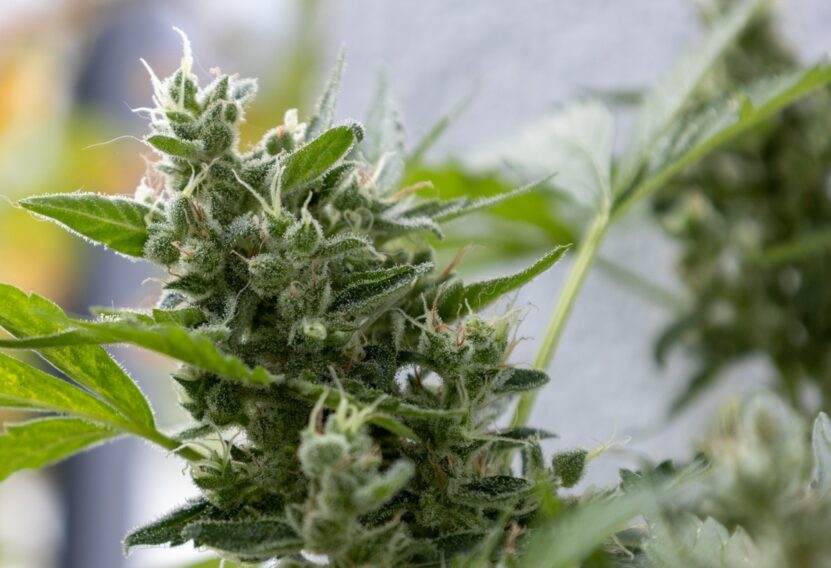
Autoflower vs Photoperiod Cannabis Seeds: What’s the Difference?
If you’re comparing cannabis seeds, one of the first choices you’ll come across is autoflower vs photoperiod. Both terms describe an important part of a cannabis plant’s genetics, but they refer to two fundamentally different ways in which flowering is triggered.
Autoflowering cannabis seeds contain genetics that allow the plant to progress into flowering according to age. Photoperiod cannabis seeds, on the other hand, respond to changes in the amount of light and darkness they receive. This single genetic distinction influences a number of other characteristics, including lifecycle, plant structure, genetic variety and the types of strains available.
Autoflower genetics have also changed enormously over the years. While early autoflowers were often viewed as a compromise compared with traditional photoperiod varieties, modern breeding has produced far more sophisticated genetics with stronger cannabinoid profiles, greater terpene diversity and an increasingly broad choice of strains.
So, what is the real difference between autoflower and photoperiod cannabis seeds, and what should you know when comparing the two?
Autoflower vs Photoperiod: The Key Differences
The most important difference between autoflower and photoperiod cannabis seeds is what causes the plant to begin flowering.
Autoflower genetics carry an inherited trait that causes flowering to begin naturally as the plant reaches a particular stage of maturity. Photoperiod genetics instead respond to changes in day length, reflecting the way traditional cannabis varieties have adapted to seasonal changes in their natural environments.
That difference affects several other characteristics. Autoflower varieties are often associated with shorter lifecycles and more compact structures, while photoperiod genetics generally offer a wider range of sizes, structures and traditional cannabis lineages.
| Characteristic | Autoflower Cannabis Seeds | Photoperiod Cannabis Seeds |
|---|---|---|
| Flowering trigger | Age and genetic programming | Changes in light and darkness |
| Genetic background | Usually contains ruderalis ancestry | Predominantly indica, sativa and hybrid genetics |
| Lifecycle | Generally shorter | Generally longer and more variable |
| Typical structure | Often smaller and more compact | Greater variation in size and structure |
| Potency | Modern varieties can achieve high cannabinoid levels | Traditionally associated with the highest potency potential |
| Genetic variety | Large and rapidly expanding | Extremely extensive |
| Heritage genetics | Fewer original heritage lines | Includes most traditional cannabis genetics |
| Feminised versions | Widely available | Widely available |
Neither type is automatically better than the other. Autoflower and photoperiod seeds simply represent two different approaches to cannabis genetics, and both categories now include an enormous range of cannabis strains from breeders around the world.
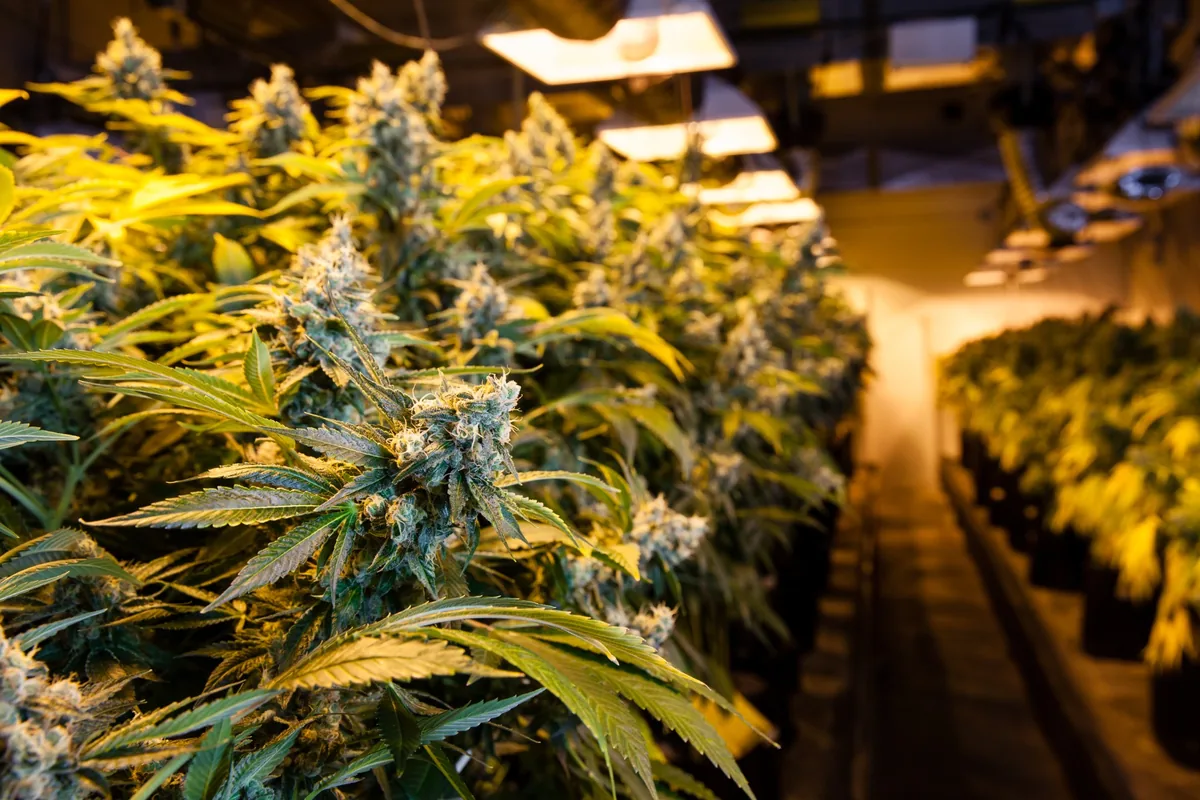
What Are Autoflower Cannabis Seeds?
Autoflower cannabis seeds produce plants carrying a genetic trait that allows flowering to begin automatically rather than being dependent on seasonal changes in daylight.
This characteristic is associated with Cannabis ruderalis, a type of cannabis that developed in regions where relatively short seasons and unusual daylight patterns created different evolutionary pressures from those experienced by traditional indica and sativa populations.
Rather than relying entirely on changes in daylight as a biological signal, ruderalis developed the ability to progress through its lifecycle according to maturity. Breeders recognised the value of this characteristic and began crossing ruderalis genetics with established cannabis strains.
The Role of Cannabis Ruderalis
Ruderalis is an important part of the history of autoflower genetics, but modern autoflowers should not be thought of as simply being ruderalis plants.
Pure ruderalis populations were historically associated with relatively low cannabinoid levels and fairly modest plant structures. What interested breeders was primarily the automatic flowering characteristic rather than ruderalis as a finished cannabis variety.
Through repeated crossing and selective breeding, that characteristic could be combined with genetics taken from established indica, sativa and hybrid strains. Successive generations were then selected for traits such as cannabinoid profile, aroma, structure and genetic stability.
The result is that many modern autoflowers retain the automatic flowering characteristic while displaying genetics much closer to the recognised cannabis varieties within their lineage.
How Modern Autoflowers Have Changed
The reputation of autoflower cannabis seeds is still influenced by some of the earliest varieties released onto the market.
Early-generation autos were frequently smaller, less potent and more limited in terms of terpene complexity than established photoperiod genetics. There were also far fewer strains to choose from, making autoflowers a comparatively specialised part of the seed market.
Modern autoflower breeding looks very different. Breeders have spent many generations refining automatic flowering lines and introducing genetics from some of the most recognisable cannabis families.
Today, autoflower versions can be found across genetics related to OG Kush, Haze, Skunk, Cookies, Gelato and Runtz. Products such as Runtz Auto demonstrate how established modern strain families have increasingly been developed into autoflowering forms.
This means collectors can now find autoflower interpretations of many recognisable strains alongside hybrids developed specifically around autoflower genetics. Cannabinoid profiles, terpene diversity and genetic choice have all moved considerably beyond what was available during the earliest generations of autoflower breeding.
What Are Photoperiod Cannabis Seeds?
Photoperiod cannabis seeds represent the traditional form of cannabis genetics. The term photoperiod describes the plant’s biological response to changes in the relative duration of light and darkness.
In nature, these changes occur as the seasons progress. Shortening days provide a biological signal that allows photoperiod cannabis plants to move from one stage of their lifecycle into another.
Most historically important cannabis varieties belong to this category. Classic Afghan genetics, Skunk, Haze, Northern Lights, White Widow and many traditional landrace-derived genetics originated as photoperiod strains long before autoflower breeding became commercially widespread.
Because of that history, photoperiod seeds still represent the largest and most genetically diverse part of the cannabis seed market. They include heritage varieties, old-school breeding lines and many of the genetics that went on to form the foundations of modern hybrids.
For collectors interested in cannabis history or the original versions of famous strains, photoperiod seeds therefore remain particularly significant.
Autoflower vs Photoperiod: How Do They Compare?
The flowering mechanism is the defining difference between autoflower and photoperiod genetics, but decades of selective breeding have also created differences in several other characteristics.
These are broad tendencies rather than fixed rules. Two strains within the same category can display very different characteristics depending on their lineage, breeder and individual genetic makeup.
Lifecycle and Flowering
Autoflower genetics generally have a shorter and more predetermined lifecycle. Once the genetics reach the appropriate level of maturity, flowering begins automatically without waiting for changes in seasonal daylight.
Photoperiod cannabis follows a more flexible biological pattern. These genetics respond to changes in the duration of light and darkness, which historically allowed cannabis populations to synchronise flowering with seasonal conditions.
This difference sits at the centre of the autoflower vs photoperiod distinction. An autoflower carries the trigger within its genetic programming, whereas a photoperiod variety relies on an external environmental signal.
Size and Structure
Autoflower varieties have traditionally been associated with smaller and more compact plant structures. Their ruderalis ancestry contributes to this tendency, while their naturally shorter lifecycle also limits the period available for overall structural development.
Photoperiod cannabis shows considerably more variation. Some indica-influenced genetics remain relatively compact, while sativa-dominant varieties can display much taller and more elongated structures.
Modern breeding has blurred this distinction considerably. Larger autoflower genetics are now available, while plenty of photoperiod varieties have been selected for naturally compact characteristics.
Seed type should therefore not be treated as the sole indicator of structure. The individual strain and the genetics behind it remain extremely important.
Yield Potential
Photoperiod cannabis has historically been associated with greater maximum yield potential. Its more flexible lifecycle allows a broader range of plant sizes and structures, while autoflowers naturally progress towards flowering within a more predetermined timeframe.
However, the distinction is less straightforward than it once was. Early autoflower strains helped establish the idea that autos were always comparatively small producers, but modern breeding has significantly changed what these genetics are capable of expressing.
There is also considerable variation between individual varieties. A modern autoflower can have very different characteristics from an early ruderalis-influenced hybrid, just as two photoperiod strains can differ substantially from one another.
When comparing seeds, information about the individual strain, breeder and lineage is therefore more useful than assuming every photoperiod variety will have the same characteristics.
Potency and Cannabinoid Levels
One of the most persistent misconceptions surrounding autoflower cannabis seeds is that they are automatically low in THC.
There is some historical basis for the reputation. Early autoflower genetics often contained a greater influence from ruderalis, which meant many of the first commercially available varieties could not match the cannabinoid levels associated with leading photoperiod strains.
Selective breeding has changed this substantially. Breeders have repeatedly refined autoflower lines using established photoperiod genetics, increasing cannabinoid potential while preserving the automatic flowering characteristic.
There are now numerous autoflower varieties with breeder-reported cannabinoid levels that would once have been associated almost exclusively with photoperiod genetics. There are also autos covering a much broader range of cannabinoid profiles, including varieties represented within BudChampion’s CBD cannabis seed collection.
Photoperiod varieties still account for many of the most established cannabinoid-focused breeding lines, but choosing an autoflower no longer automatically means choosing substantially weaker genetics.
Terpenes and Flavour
Early autoflowers also developed a reputation for having less complex terpene profiles than established photoperiod strains.
Again, this largely reflects the limitations of early breeding rather than an unavoidable feature of autoflower genetics. Modern breeders have spent generations selecting for aroma and terpene expression alongside cannabinoid profiles and flowering characteristics.
Contemporary autoflower strains can now represent a wide spectrum of terpene profiles, including citrus, tropical fruit, berries, fuel, earth, pine, spice, dessert-style aromas and classic Skunk characteristics.
Photoperiod cannabis still provides the deepest catalogue of historic terpene combinations because of the age and diversity of the genetic pool, but there is no longer a straightforward division where photoperiod genetics are complex and autoflowers are not.
The strain’s lineage and the breeder behind it are generally much more useful indicators of its likely characteristics.
Genetic Variety
Photoperiod cannabis currently offers the greatest overall depth of genetic variety.
Most of the strains that shaped modern cannabis culture began as photoperiod genetics. Afghan lines, Original Skunk, Northern Lights, Haze, OG Kush and numerous landrace-derived varieties all existed long before modern autoflowers became established.
That historical head start means collectors searching for original breeding lines, unusual heritage genetics or older cultivars will generally find a broader range among photoperiod seeds.
The autoflower catalogue has nevertheless expanded rapidly. Breeders have created automatic versions of many famous cannabis families while also developing entirely new hybrids specifically around autoflower genetics.
Today, most major genetic families are represented somewhere within the autoflower market, even where their original versions remain photoperiod.
Are Autoflowers Less Potent Than Photoperiod Strains?
Not necessarily.
The belief that autoflowers are inherently weak comes largely from the earliest generations of autoflower cannabis genetics. Those strains often contained substantial ruderalis influence and typically lacked the potency associated with established photoperiod cultivars.
Modern autoflowers have been refined across many generations. Breeders have introduced genetics from increasingly potent photoperiod varieties and then selectively bred subsequent generations to retain both cannabinoid potential and the automatic flowering characteristic.
As a result, many contemporary autoflower strains now feature breeder-reported THC levels that sit comfortably alongside mainstream photoperiod varieties.
There can still be differences between an autoflower strain and the original photoperiod genetics from which it was developed. Crossing an established strain into an autoflower line produces a new genetic combination rather than an absolutely identical copy of the original.
However, the word autoflower itself should no longer be interpreted as meaning low potency. The individual strain, breeder and genetic lineage matter considerably more.
Autoflower vs Feminised Seeds: What’s the Difference?
One of the most common areas of confusion when comparing cannabis seeds is the difference between autoflower and feminised cannabis seeds.
They are not opposite categories.
Autoflower and photoperiod describe the genetic mechanism responsible for flowering. Feminised and regular describe a separate characteristic relating to the sex genetics of the seeds.
That means cannabis seeds can fall into several combinations:
- Feminised autoflower seeds
- Regular autoflower seeds
- Feminised photoperiod seeds
- Regular photoperiod seeds
The terminology can become confusing because a large proportion of autoflower seeds sold commercially are also feminised. As a result, autoflower and feminised are sometimes mistakenly treated as competing seed types.
A simpler way to understand the distinction is to treat them as two separate characteristics. One describes whether the genetics are autoflower or photoperiod, while the other describes whether the seeds are feminised or regular.
Can Autoflower Seeds Be Feminised?
Yes. Feminised autoflower cannabis seeds are extremely common.
These seeds combine two separate characteristics. They carry the genetic mechanism associated with automatic flowering while also being produced to provide a very high likelihood of female plants.
Many modern autoflower strains available from established seed breeders are sold primarily or exclusively in feminised form, which is why the two terms frequently appear together on product listings.
Can Photoperiod Seeds Be Feminised?
Yes. Feminised photoperiod seeds are also extremely common and make up a significant part of the modern cannabis seed market.
A photoperiod strain can therefore be available in feminised form, regular seed form, or sometimes both depending on the breeder and genetic line.
The two descriptions refer to separate characteristics: photoperiod describes the flowering response, while feminised describes the intended sex genetics of the seed.
Pros and Cons of Autoflower Cannabis Seeds
Autoflower genetics have become significantly more sophisticated, but they still have characteristics that distinguish them from traditional photoperiod varieties.
For collectors, their appeal often comes from the combination of modern cannabis lineages with the distinctive automatic flowering characteristic inherited through ruderalis genetics.
Common characteristics associated with autoflower seeds include:
- Automatic flowering genetics
- Generally shorter overall lifecycles
- Often more compact plant structures
- A rapidly expanding choice of strains
- Autoflower versions of many famous cannabis genetics
- Modern varieties covering a wide range of cannabinoid profiles
There are some trade-offs. Autoflower genetics have a shorter breeding history than photoperiod cannabis, so there are fewer genuine heritage lines. Their predetermined lifecycle also makes them fundamentally different from the more flexible biology associated with traditional photoperiod varieties.
An autoflower interpretation of a famous strain should also not necessarily be viewed as genetically identical to the original. The introduction of autoflowering genetics creates a new hybrid lineage, even when breeders work carefully to retain the defining characteristics of the photoperiod parent.
Pros and Cons of Photoperiod Cannabis Seeds
Photoperiod cannabis represents the foundation of most traditional cannabis breeding and remains the largest source of genetic diversity within the seed market.
This category includes everything from historic landrace-derived lines to classic strains developed during the twentieth century and highly complex modern hybrids produced by contemporary breeders.
Common characteristics associated with photoperiod seeds include:
- An enormous range of cannabis genetics
- Access to classic and heritage varieties
- Greater variation in lifecycle and plant structure
- Many original breeder lines that remain photoperiod only
- Extensive cannabinoid and terpene diversity
- Both regular and feminised versions of many strains
The main distinction is that photoperiod genetics rely on changes in light duration to trigger flowering rather than carrying the automatic flowering mechanism found in autoflowers.
Ultimately, this is not a question of one category being superior. Exceptional genetics exist in both forms, and the characteristics of an individual strain depend much more heavily on its lineage, breeding and genetic stability.
Which Cannabis Seed Type Is Right for You?
The answer depends largely on what interests you about cannabis genetics.
Collectors interested in modern breeding, compact genetics and automatic flowering characteristics will find an enormous amount of variety within today’s autoflower market. Many famous cannabis families now have autoflower interpretations, alongside strains developed specifically as autos from the beginning.
Those more interested in heritage cannabis, original breeder lines and the widest possible genetic catalogue may naturally be drawn towards photoperiod seeds. Most historically significant cannabis strains originated in photoperiod form, and many remain available in genetics that closely reflect their original breeding history.
There is also no reason a collection needs to focus exclusively on one category. Many cannabis enthusiasts collect both traditional photoperiod genetics and newer autoflower varieties, particularly when comparing different interpretations of the same genetic family.
Rather than viewing autoflower vs photoperiod as a question of which is objectively better, it is more useful to think of them as two distinct branches of modern cannabis genetics, each with its own history, characteristics and appeal.
You can explore the wider BudChampion cannabis seed collection to compare autoflowering, feminised, regular and CBD-rich genetics from recognised breeders.
Autoflower vs Photoperiod FAQs
What is the main difference between autoflower and photoperiod seeds?
The main difference is the genetic mechanism controlling flowering. Autoflower genetics begin flowering according to age and maturity, while photoperiod genetics respond to changes in the duration of light and darkness.
This difference comes largely from the influence of Cannabis ruderalis in autoflower breeding and can affect several related characteristics, including lifecycle and typical plant structure.
Are autoflower seeds always feminised?
No. Autoflower and feminised describe two different genetic characteristics.
Autoflower refers to the mechanism that triggers flowering, while feminised refers to seeds produced to have a very high likelihood of producing female plants. However, most commercially available autoflower cannabis seeds are sold in feminised form, which is why the terms are frequently seen together.
Are autoflowers less potent than photoperiod strains?
Not necessarily. Early autoflower strains were often significantly less potent than leading photoperiod varieties, but modern breeding has narrowed that gap considerably.
Many contemporary autoflower genetics now feature high breeder-reported cannabinoid levels and sophisticated terpene profiles. The individual strain and breeder are therefore more important than simply whether the seed is autoflower or photoperiod.
What does ruderalis mean?
Cannabis ruderalis refers to cannabis genetics historically associated with regions where short seasons and unusual daylight patterns favoured plants capable of progressing towards flowering according to maturity rather than relying entirely on seasonal changes in daylight.
This characteristic became valuable to cannabis breeders and ultimately formed the genetic basis of modern autoflower cannabis seeds.
Can photoperiod seeds be feminised?
Yes. Feminised photoperiod cannabis seeds are extremely common.
Photoperiod describes how flowering is triggered, whereas feminised describes the intended sex genetics of the seed. A photoperiod strain can therefore be feminised or regular depending on how the breeder has produced it.
Which type has more strain choices?
Photoperiod cannabis currently offers the greatest overall genetic diversity, largely because almost all historic cannabis cultivars originated as photoperiod varieties.
The autoflower market has expanded enormously, however, and now includes interpretations of most major cannabis families alongside completely new genetics created specifically for the autoflower market.
Are modern autoflowers different from older autoflower genetics?
Very much so. Early autoflowers were relatively simple hybrids developed primarily to introduce the automatic flowering characteristic into other cannabis genetics.
Modern autoflower breeding has progressed through many generations of selection. Breeders have increasingly focused on cannabinoid profiles, terpene characteristics, structure and preserving recognisable qualities associated with the photoperiod genetics used in the original cross.
That is why today’s autoflower cannabis seed market is considerably more diverse and sophisticated than the first generations of autos that established the category.