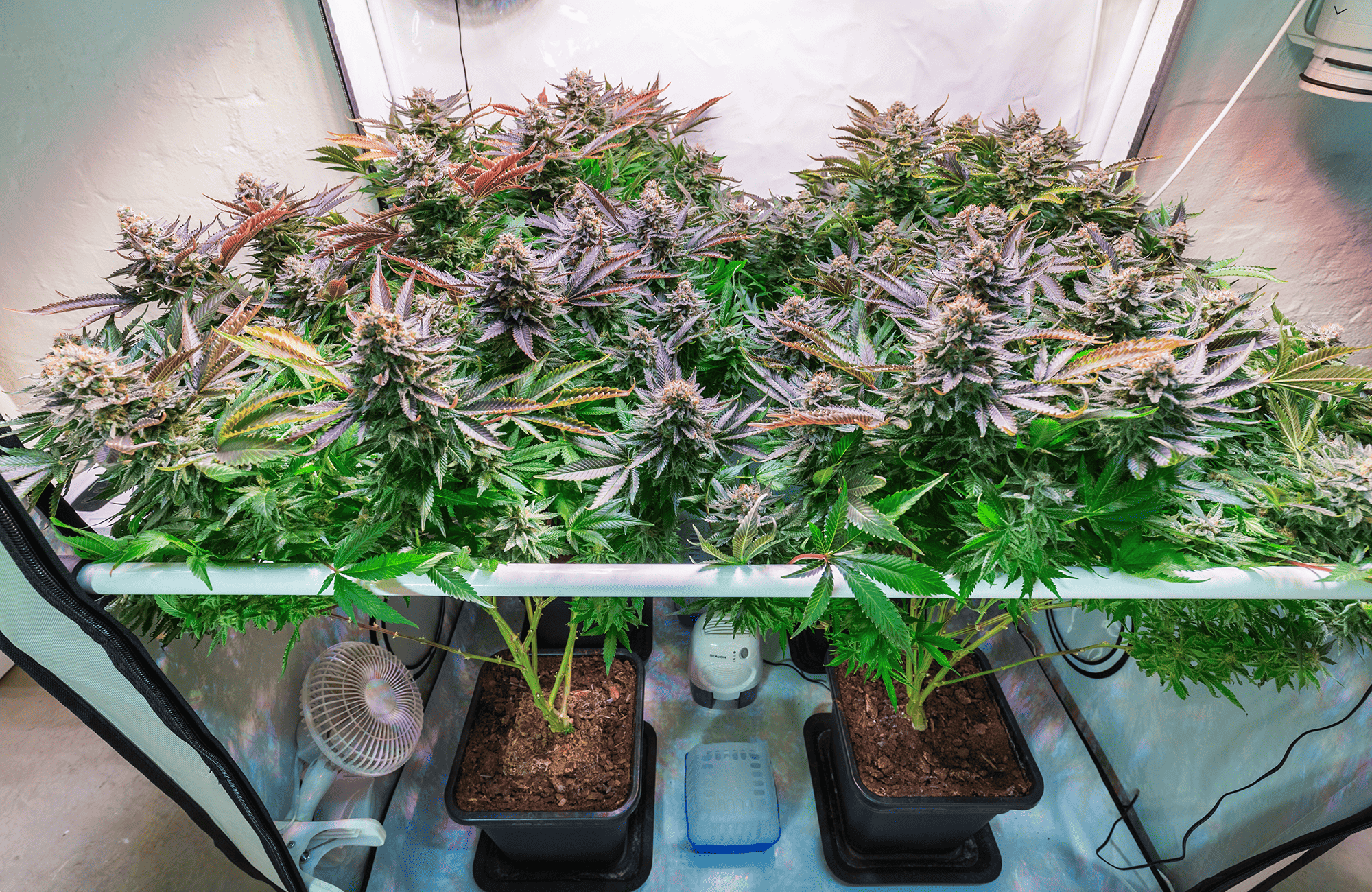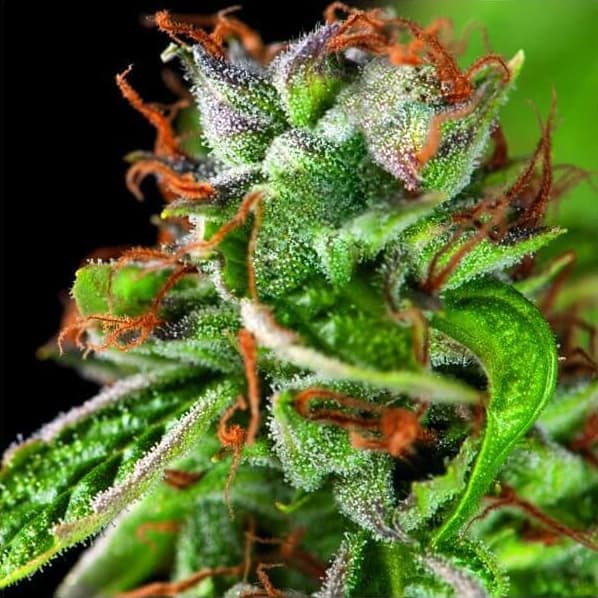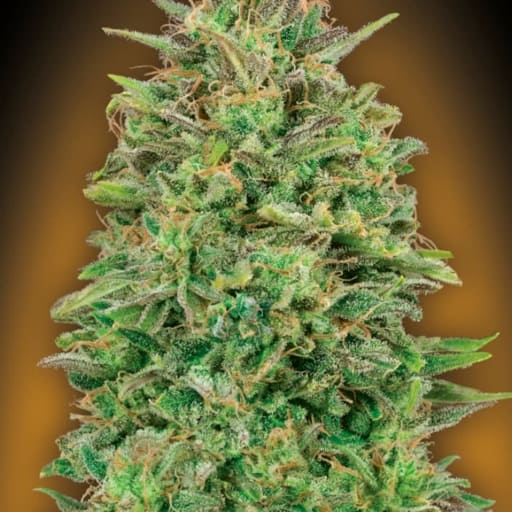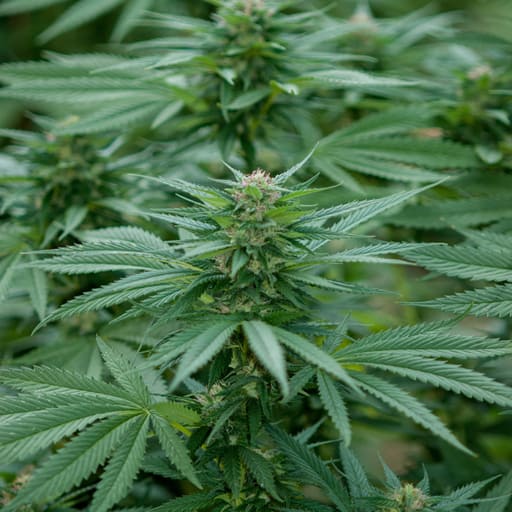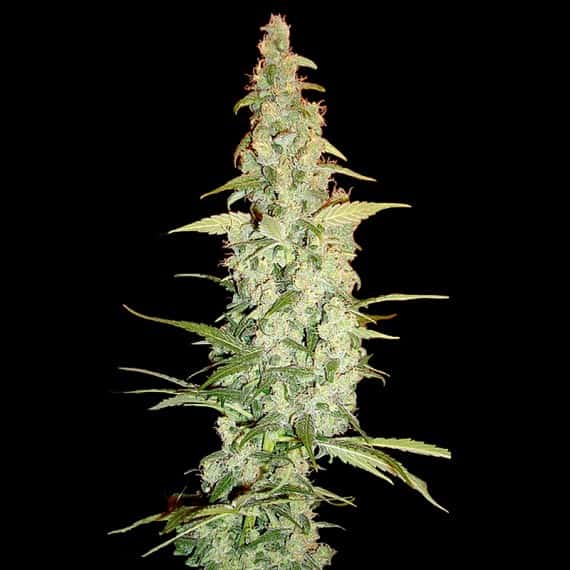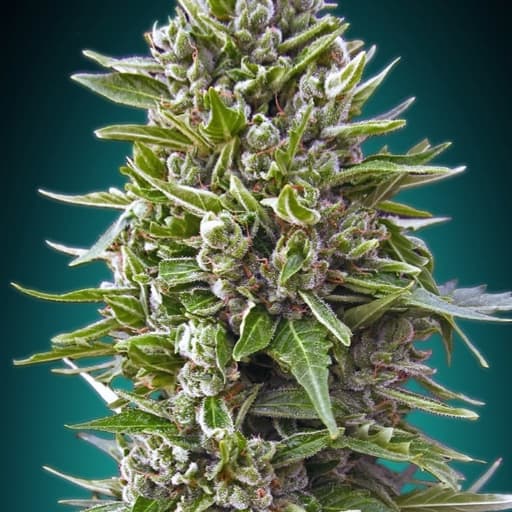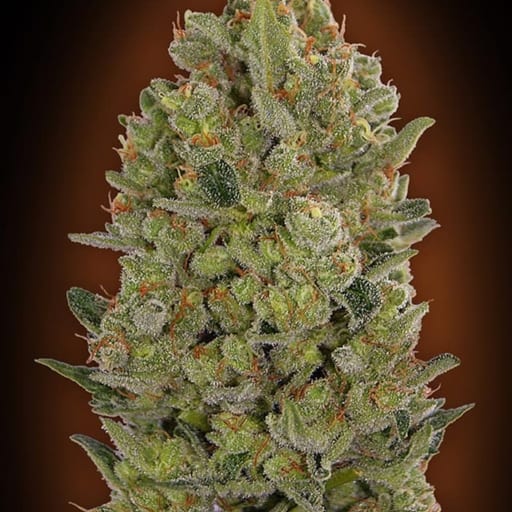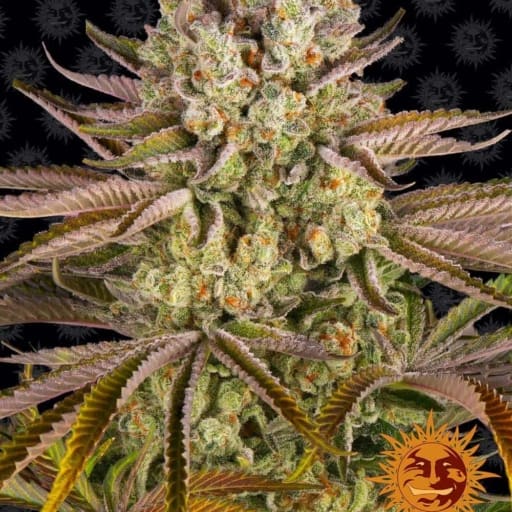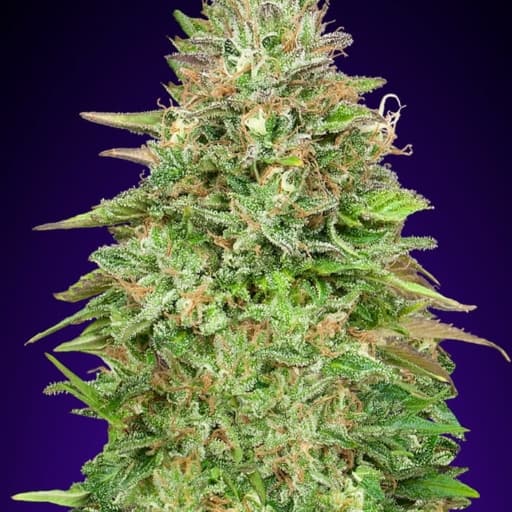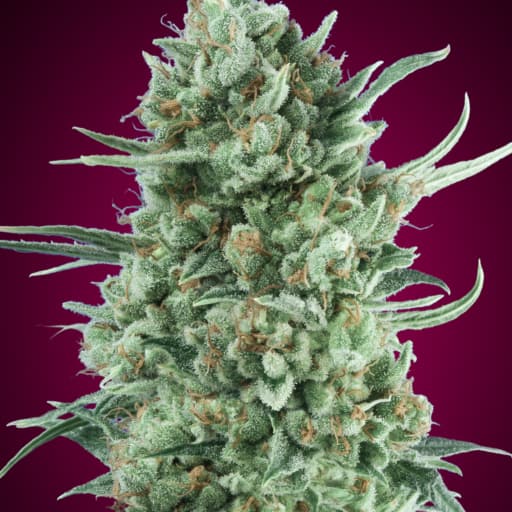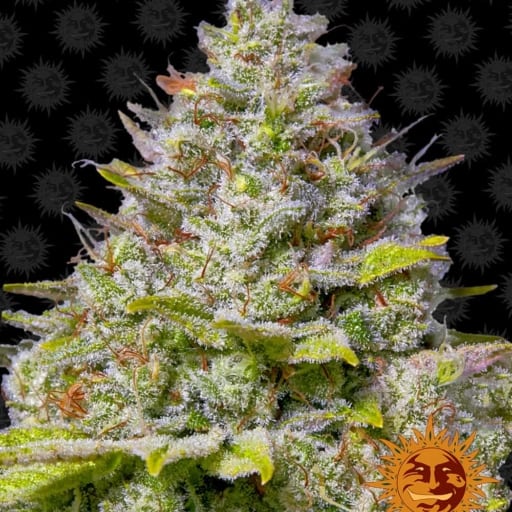
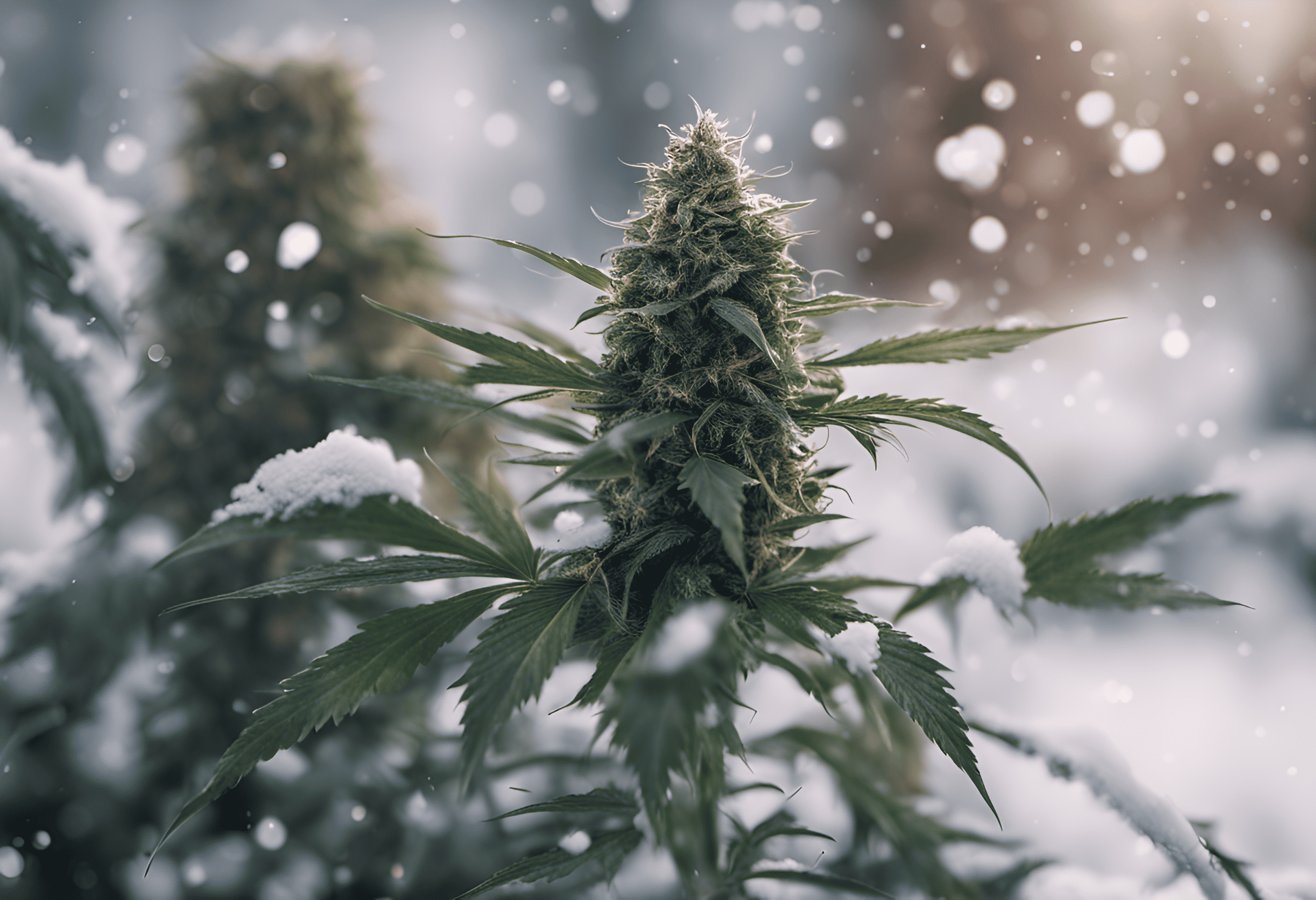
Colder climates can present additional challenges for cannabis varieties, particularly in regions with shorter summers, lower average temperatures and unpredictable weather. Autoflowering strains can be particularly well suited to these conditions because they begin flowering according to age rather than waiting for seasonal changes in daylight.
The autoflowering trait originates from Cannabis ruderalis genetics, which developed naturally in northern regions with relatively short growing seasons. Modern breeders have combined this characteristic with established cannabis strains to create autoflowering varieties that offer shorter life cycles while retaining many of the flavours, aromas and characteristics associated with their photoperiod relatives.
Not every autoflower is equally suited to cooler conditions, however. The five strains below stand out for their combination of autoflowering genetics, comparatively fast development and breeder-reported resilience in more challenging climates.
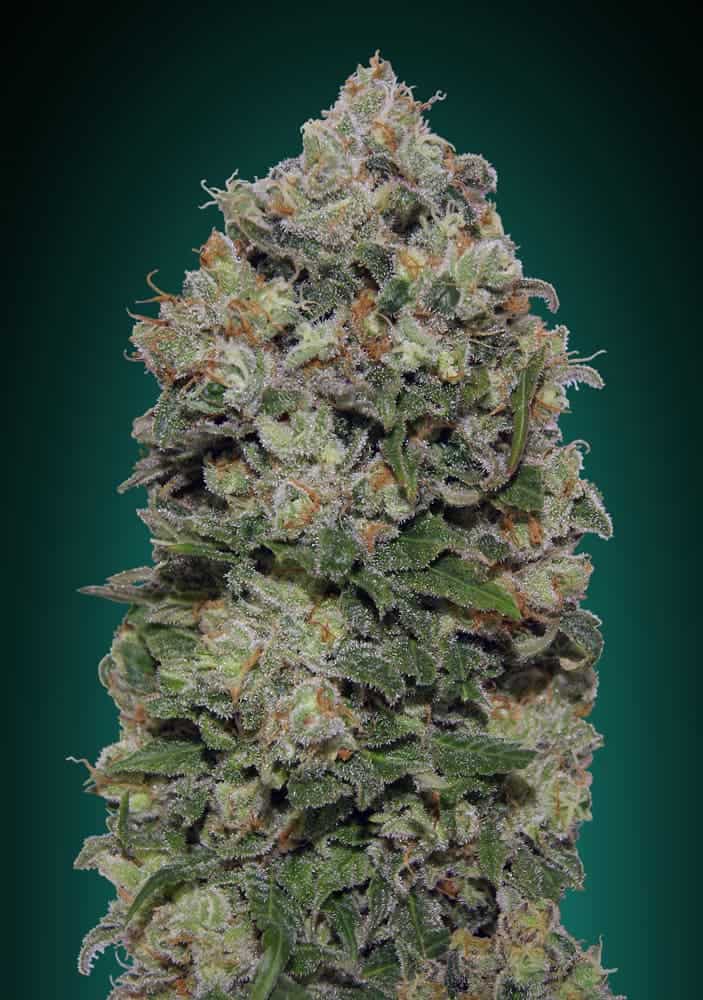
Northern Lights Auto
Northern Lights Auto is one of the strongest candidates for cooler climates. The original Northern Lights became famous for its predominantly Afghani-influenced indica genetics, while modern autoflowering versions combine those characteristics with the age-dependent flowering trait associated with ruderalis.
Several breeders specifically recommend Northern Lights autoflowering varieties for cooler regions. Their relatively compact structure and shorter overall life cycle can make them better suited to locations where the favourable outdoor season does not extend far into autumn.
Northern Lights is typically associated with earthy, pine, herbal and lightly spicy aromas. There are now several autoflowering interpretations available from different breeders, including standard, XXL and CBD-influenced versions, making it worth comparing the exact genetics and characteristics of each seed line.

Do-Si-Dos Auto
Do-Si-Dos Auto brings a much more modern genetic profile to the list. Do-Si-Dos itself emerged from the Cookies family of cannabis strains and is generally associated with Girl Scout Cookies and Face Off OG genetics, producing a very different character from old-school varieties such as Northern Lights.
Modern autoflowering versions have also attracted attention as options for cooler climates. Their shorter, age-dependent development means they do not rely on increasingly short autumn days to initiate flowering, which is one of the principal reasons autoflowering genetics can suit regions with limited favourable weather.
Do-Si-Dos varieties are typically associated with sweet, earthy and pungent aromas, often accompanied by citrus, floral or fuel-like notes depending on the breeder. The autoflowering versions available today provide a useful example of newer American genetics being adapted into a format better suited to shorter seasons.
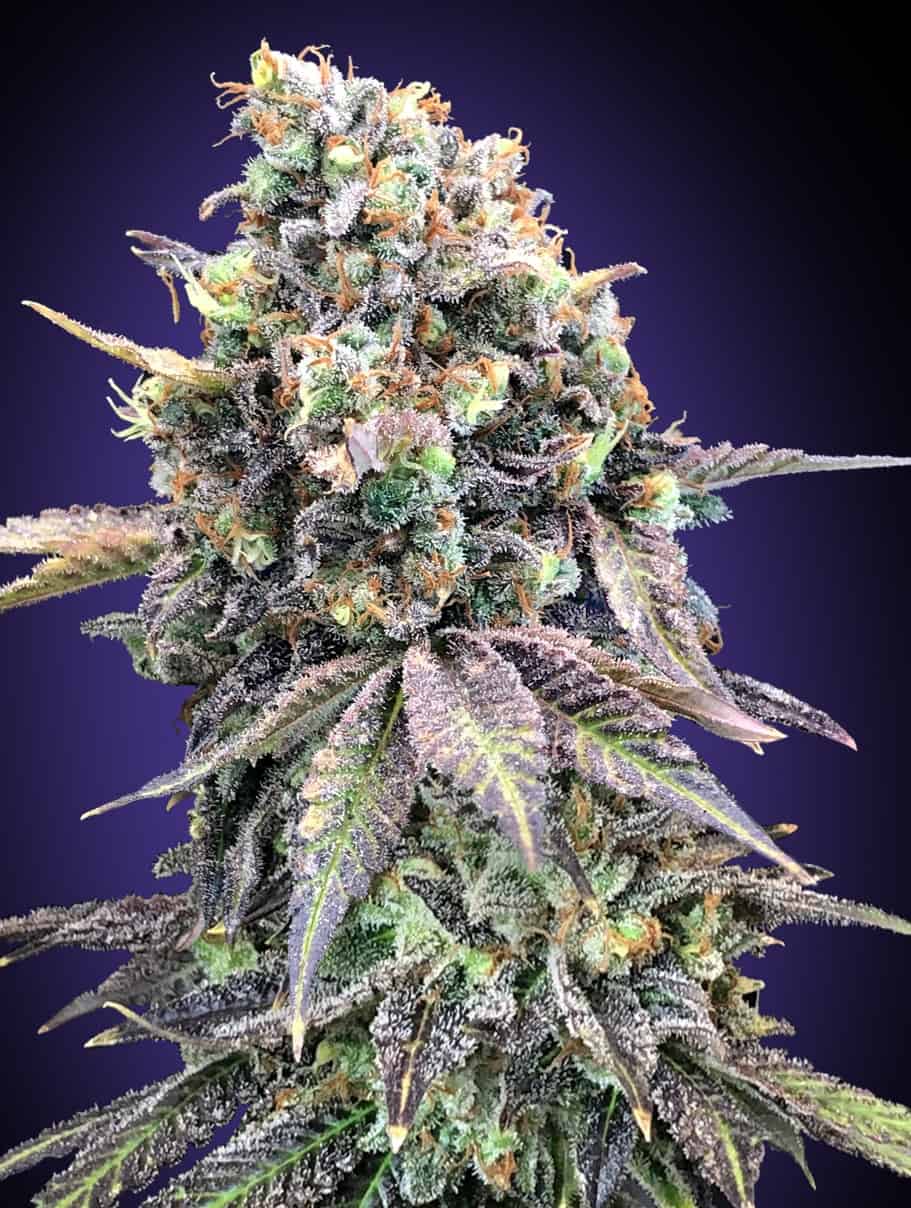
Purple Punch Auto
Purple Punch Auto combines the distinctive Purple Punch genetic family with autoflowering characteristics. The original strain is usually associated with Larry OG and Granddaddy Purple, giving it a predominantly indica-influenced background and a reputation for colourful flowers and a particularly sweet sensory profile.
Autoflowering versions of Purple Punch are frequently included among strains considered suitable for shorter or cooler outdoor seasons. As with the other strains on this list, the advantage comes less from an ability to thrive in genuinely freezing weather and more from completing their development without relying on the same seasonal flowering trigger as a photoperiod variety.
Purple Punch is best known for its sweet fruit profile, with grape, berry and dessert-like notes commonly associated with the strain. Several breeders now offer Purple Punch genetics, so the exact characteristics of an autoflowering version can vary depending on the particular seed line.
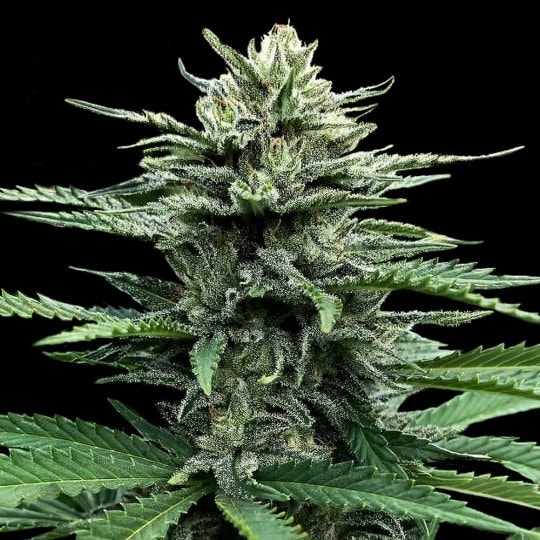
Strawberry Banana Auto
Strawberry Banana Auto offers something different from the older genetic families on this list. The original Strawberry Banana is associated with Banana Kush and the Strawberry phenotype of Bubble Gum, creating a strain particularly recognised for its fruit-forward aroma.
Autoflowering Strawberry Banana varieties have also appeared in current recommendations for cooler growing conditions. Their comparatively rapid development makes them relevant to regions where the period of warmer, brighter weather is limited, while their modern genetics provide an alternative to the traditional indica-heavy cold-climate choices.
As the name suggests, Strawberry Banana is normally associated with pronounced sweet fruit characteristics, particularly ripe banana and strawberry notes. Autoflowering versions preserve the broad identity of the strain while introducing the quicker flowering behaviour that distinguishes modern autos.
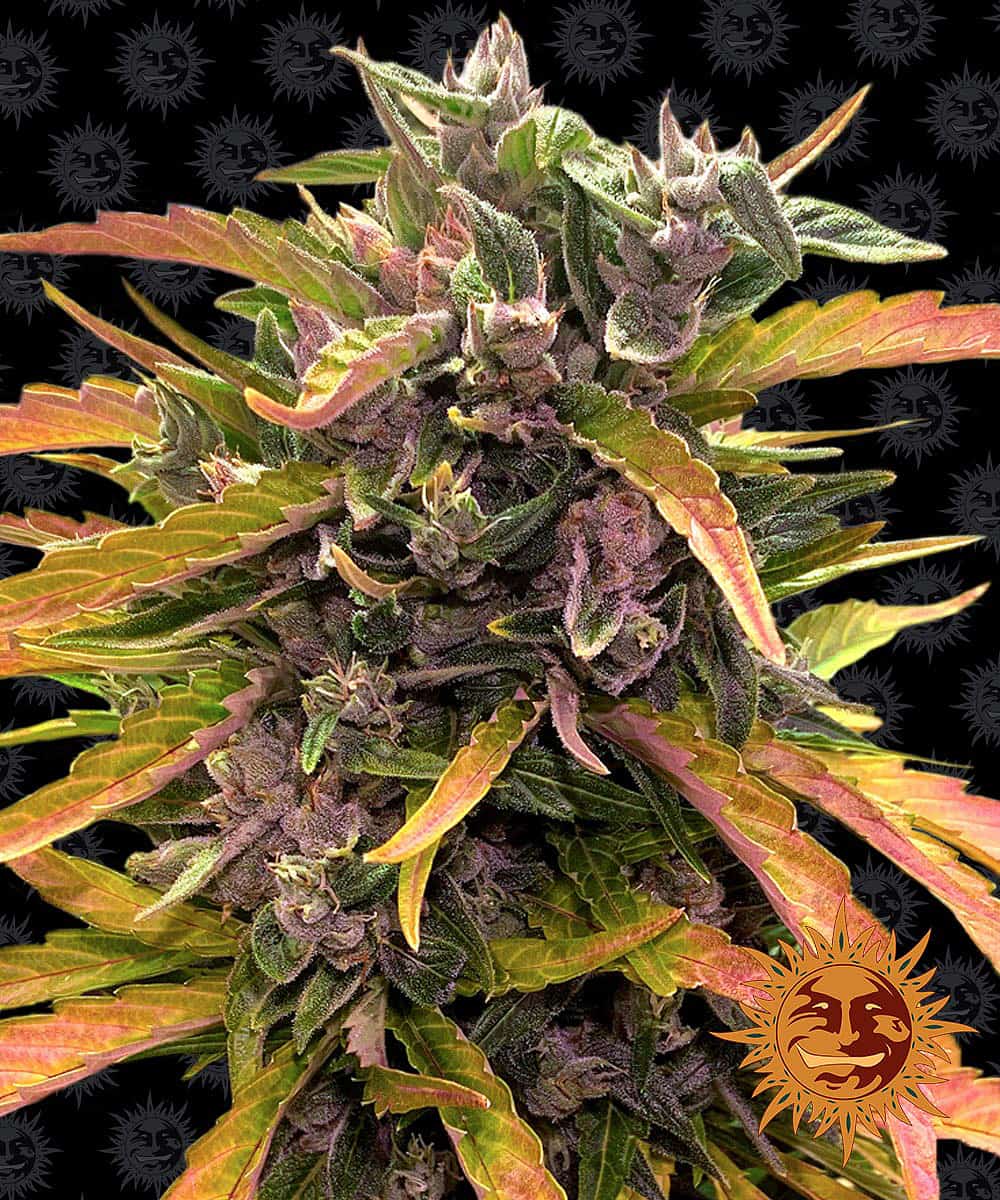
Gorilla Glue Auto
Gorilla Glue Auto is the autoflowering interpretation of Gorilla Glue, also widely known as GG4. The original strain was developed from Chem’s Sister, Sour Dubb and Chocolate Diesel genetics and became famous for its unusually heavy resin production and strong, pungent character.
Gorilla Glue Auto is another variety that appears in cold-weather autoflower recommendations. Its combination of modern autoflowering genetics and comparatively quick development gives it greater flexibility in locations where longer-flowering photoperiod strains may encounter deteriorating weather later in the season.
Its sensory profile is characteristically powerful, with earthy, pine, diesel and sour notes commonly associated with the wider Gorilla Glue family. Modern autoflowering versions aim to retain these recognisable characteristics while introducing the shorter, age-dependent flowering pattern of an auto.
Why Autoflowering Strains Can Suit Cold Climates
Autoflowering cannabis is sometimes described as “cold resistant”, but that phrase can be misleading. No cannabis strain is immune to prolonged frost, excessive moisture or consistently unsuitable temperatures. The principal advantage of autoflowering genetics in cooler climates is their speed and independence from seasonal changes in daylight.
In regions with relatively short summers, this can give autoflowering varieties an advantage over longer-flowering photoperiod genetics. Their ruderalis heritage is also associated with plants that developed naturally across northern and continental climates, which helped establish the hardy reputation of the autoflowering category.
Individual strains still vary considerably. When comparing autoflowering seeds for a cooler climate, breeder information about overall life cycle, outdoor suitability and resistance to challenging weather is more useful than assuming every autoflower will perform in exactly the same way.
Conclusion
Autoflowering genetics offer an interesting option for colder regions because their flowering behaviour is determined primarily by maturity rather than changing seasonal daylight. This allows many varieties to complete their development within a shorter window than conventional photoperiod strains.
Northern Lights Auto remains one of the most established choices for cooler climates, while Do-Si-Dos Auto, Purple Punch Auto, Strawberry Banana Auto and Gorilla Glue Auto demonstrate how much the autoflowering category has evolved. Modern autos now cover everything from traditional indica genetics to Cookies-family and fruit-forward hybrids.
Whichever variety you are comparing, it is worth looking at the exact breeder rather than relying on the strain name alone. Different autoflowering interpretations can vary in lineage and characteristics, and BudChampion’s autoflowering cannabis seeds collection brings together options from a wide range of recognised breeders.