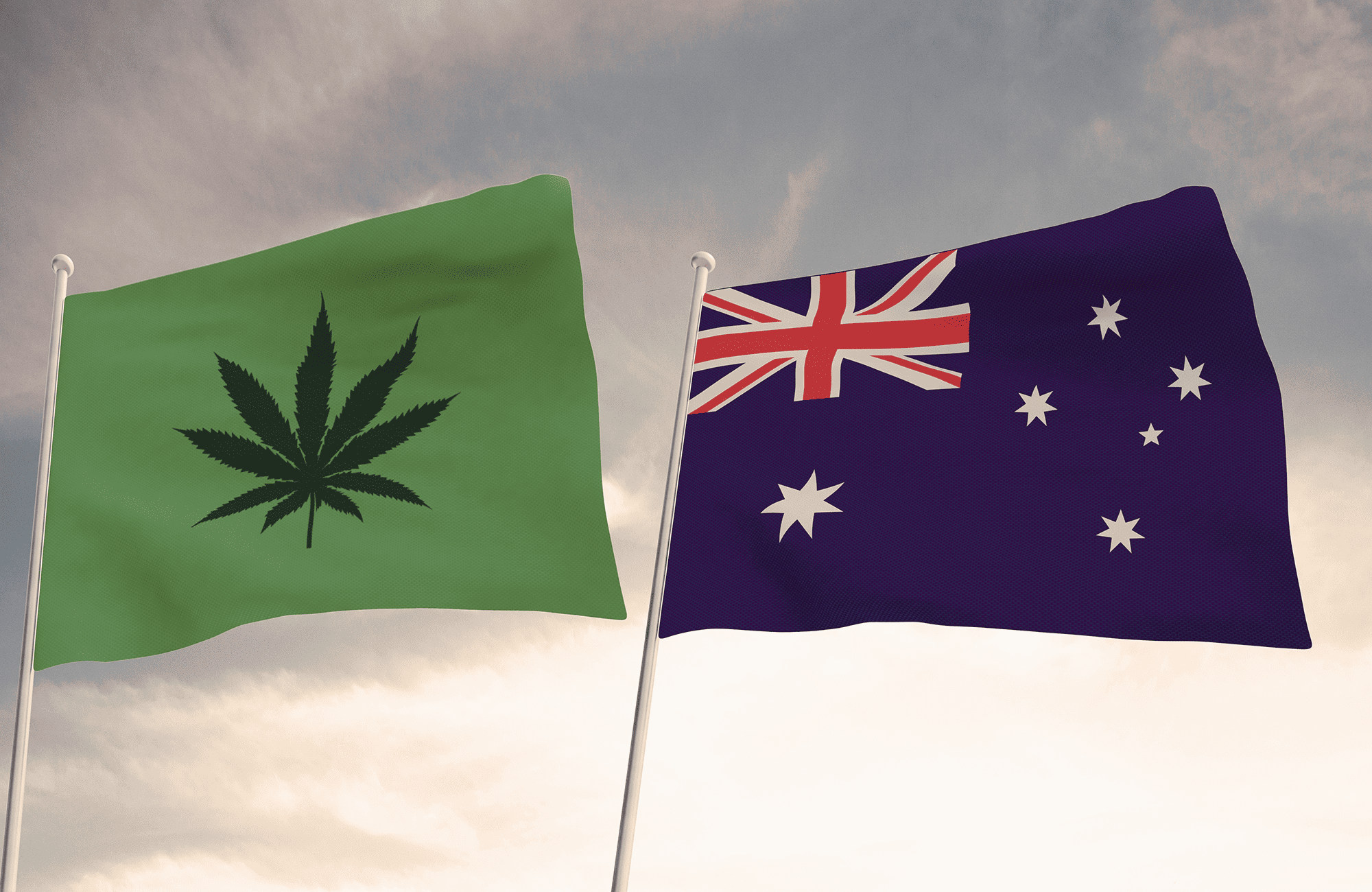
Cannabis and its laws have been an ongoing topic of discussion in recent years. Many countries worldwide have reevaluated their stance on cannabis, with some moving towards legalisation or decriminalisation for medical or recreational purposes. Australia is no exception, although its federal system means cannabis laws are more complicated than a simple legal or illegal answer.
Medicinal cannabis is legal under Australia’s regulated healthcare system, while recreational cannabis generally remains illegal. However, possession laws and penalties differ between states and territories, with the Australian Capital Territory applying the country’s most permissive personal-use rules.
This article looks at the current legal status of cannabis in Australia, its historical background and the differences between medicinal and recreational use.
A Look into the Past
Cannabis and hemp have a long history in Australia, initially being associated primarily with industrial uses such as fibre production. Recreational cannabis use became substantially more visible during the 1960s, around the same period that international drug-control agreements were reshaping cannabis laws around the world.
Australia became a signatory to the United Nations Single Convention on Narcotic Drugs in 1961, and non-medical cannabis prohibition was strengthened nationally during the later 1960s. In the decades that followed, individual states and territories gradually developed different approaches to possession, penalties and diversion programmes.
The Legal Scenario
The legal status of cannabis in Australia varies according to both federal and state or territory law.
At the federal level, the Narcotic Drugs Act 1967 regulates activities including the cultivation and production of cannabis for medicinal and research purposes. Commonwealth laws also apply to areas such as importing, exporting and trafficking controlled drugs.
Personal possession, use and much of the enforcement surrounding recreational cannabis are primarily dealt with under state and territory legislation. This is why the consequences of being found with a small amount of cannabis can differ depending on where in Australia someone is located.
Across Australia, selling or distributing recreational cannabis remains illegal. Outside the ACT, growing cannabis recreationally is also prohibited.
Medical Use of Cannabis in Australia
A significant change in Australia’s approach to cannabis occurred in 2016, when the Australian Government passed the Narcotic Drugs Amendment Act 2016. This created a national framework allowing cannabis to be cultivated and produced legally for medicinal and research purposes under licence.
Medicinal cannabis is now legal in Australia but remains tightly regulated. Patients require a prescription, and many medicinal cannabis products are supplied through Therapeutic Goods Administration pathways such as the Special Access Scheme or Authorised Prescriber Scheme.
Medicinal cannabis is used in Australia for a range of symptoms and conditions, including chronic pain, epilepsy, multiple sclerosis, chemotherapy-related nausea and vomiting and some forms of palliative care. Whether it is appropriate for a particular patient is a medical decision and access is separate from the laws governing recreational cannabis.
It is also important to distinguish legally prescribed medicinal cannabis from cannabis obtained through the recreational market. Having a medical condition does not itself provide a legal exemption to possess unprescribed cannabis.
Recreational Use of Cannabis in Australia
Recreational cannabis has not been legalised nationally in Australia.
In New South Wales, Victoria, Queensland, Western Australia and Tasmania, possession remains illegal, although the exact penalties and availability of cautions or diversion programmes can vary.
South Australia and the Northern Territory take a somewhat different approach to certain small-scale possession offences, where civil penalties or fines may apply rather than the offence necessarily proceeding through the criminal courts.
The Australian Capital Territory has gone considerably further than the other jurisdictions, although even there it is not accurate to describe cannabis as completely legal.
Cannabis Laws in the ACT
The Australian Capital Territory (ACT) introduced significant cannabis reforms in January 2020. Under ACT law, adults aged 18 and over are exempt from criminal liability in certain circumstances involving limited personal possession and cultivation.
An adult in the ACT can currently possess up to 50 grams of dried cannabis or 150 grams of fresh cannabis. They can also grow up to two cannabis plants per person at their home, subject to a maximum of four plants per household.
There are still important restrictions. It remains illegal in the ACT to:
- Sell cannabis.
- Share or give cannabis to another person.
- Use cannabis in a public place.
- Grow cannabis using hydroponic or other artificial cultivation methods covered by the legislation.
- Grow plants somewhere accessible to the public.
- Allow people under 18 to possess, grow or use cannabis.
Commonwealth drug laws also continue to apply in the ACT. For this reason, even ACT Policing describes cannabis as not being fully legal; rather, ACT legislation removes criminal liability for specified personal-use activities within the permitted limits.
Cannabis Laws Across Australian States and Territories
One of the main reasons Australia’s cannabis laws can appear confusing is that there is no single set of recreational possession rules covering the whole country.
Some jurisdictions continue to treat possession as a criminal offence, while others use infringement notices, fines, cautions or diversion programmes for eligible low-level offences. The ACT is currently the only Australian jurisdiction where adults can legally grow a limited number of cannabis plants for personal use under local law.
Importantly, none of these differences create a legal recreational cannabis retail market. Selling or commercially supplying recreational cannabis remains prohibited throughout Australia.
Cannabis and Driving in Australia
Drug-driving laws are separate from the rules governing cannabis possession. It is illegal to drive while impaired by cannabis throughout Australia, and roadside drug-testing programmes can detect THC.
This issue can also affect medicinal cannabis patients. Many prescribed cannabis medicines contain THC, and having a valid prescription does not necessarily exempt someone from state or territory drug-driving laws. Anyone prescribed THC-containing medicinal cannabis should therefore check the current driving rules applying in their jurisdiction and discuss them with their healthcare professional.
Challenges and Controversies
There have been various challenges and controversies surrounding Australia’s approach to cannabis reform. One major issue is the inconsistency between laws and enforcement approaches across different states and territories.
A person possessing the same quantity of cannabis can potentially face a different legal process depending on whether they are in Sydney, Adelaide, Darwin or Canberra. The distinction between legal medicinal cannabis and illegal recreational cannabis has added another layer of complexity.
There is also an ongoing debate regarding the potential benefits and risks of nationwide recreational legalisation. Supporters argue that reform could reduce pressure on the criminal justice system, create a regulated market and generate tax revenue. Opponents continue to raise concerns about public health, road safety and greater availability of high-THC cannabis.
The Path Ahead
The future of cannabis legalisation in Australia remains uncertain. Medicinal cannabis has become firmly established within the Australian regulatory system, while the ACT has demonstrated a considerably different approach to personal recreational possession and cultivation.
Elsewhere in Australia, proposals for decriminalisation and recreational cannabis reform continue to be debated at both state and federal level. However, Australia has not introduced a nationwide recreational cannabis market.
Any future reform is also likely to remain influenced by Australia’s federal structure, because state and territory governments retain substantial responsibility for laws concerning personal possession and use.
So, Is Weed Illegal In Australia?
Recreational cannabis is generally illegal in Australia, but the exact position depends on the state or territory.
Medicinal cannabis is legal when prescribed and supplied through Australia’s regulated medical system. Recreational sale and distribution remain illegal throughout the country, while personal possession laws vary between jurisdictions.
The ACT provides the clearest exception. Adults aged 18 and over can possess limited quantities and grow a small number of plants at home within specific conditions, although selling, sharing and public use remain prohibited and Commonwealth law continues to apply.
Elsewhere, cannabis possession may result in criminal penalties, fines, cautions or diversion depending on the jurisdiction and circumstances. Anyone needing to understand the law in a particular part of Australia should therefore check the current legislation for that state or territory rather than assuming the same rules apply nationwide.
This article reflects the legal position as of August 2026 and is provided for general information only. Cannabis laws and enforcement policies can change and this article should not be treated as legal advice.