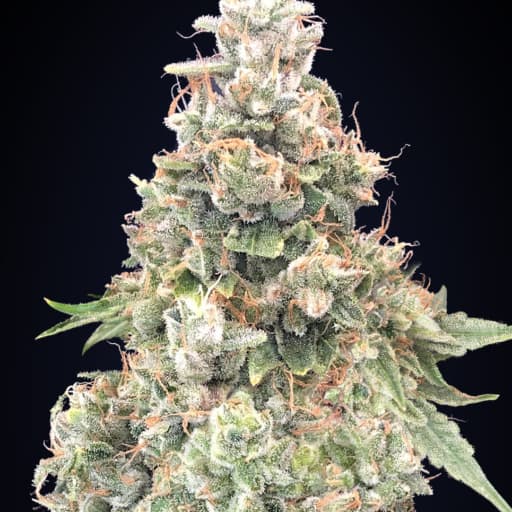

Sativa cannabis strains have played an important role in cannabis culture, with names such as Haze, Durban Poison, Jack Herer and Sour Diesel influencing generations of breeders and modern hybrids. They are traditionally associated with more cerebral, energetic and uplifting reported effects, although the experience of any individual strain can vary considerably between people and phenotypes.
In this look at five well-known classic sativa and sativa-influenced strains, we explore their origins, genetics, flavour profiles and the characteristics that helped make them recognisable names in the cannabis world.
What Makes a Sativa Strain a Classic?
The term “classic sativa” does not have a strict scientific definition. In cannabis culture it is generally used for long-established sativa or sativa-dominant varieties that have had a lasting influence on breeding, competitions and popular culture.
It is also worth distinguishing an original strain from a modern autoflowering version carrying the same name. Autoflower varieties are created by crossing or breeding established genetics with autoflowering lines, so they should be viewed as modern interpretations rather than genetically identical versions of the original cultivar.
Amnesia Haze
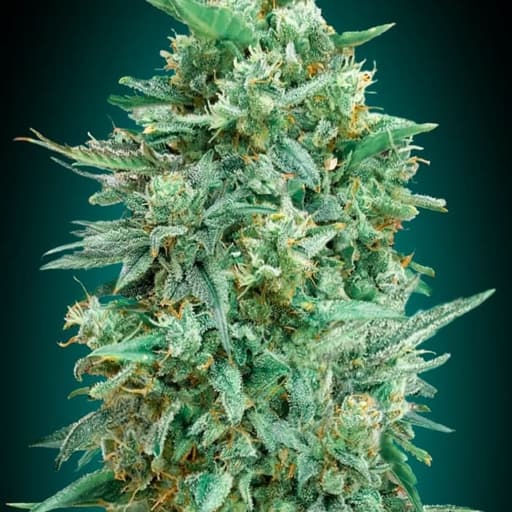
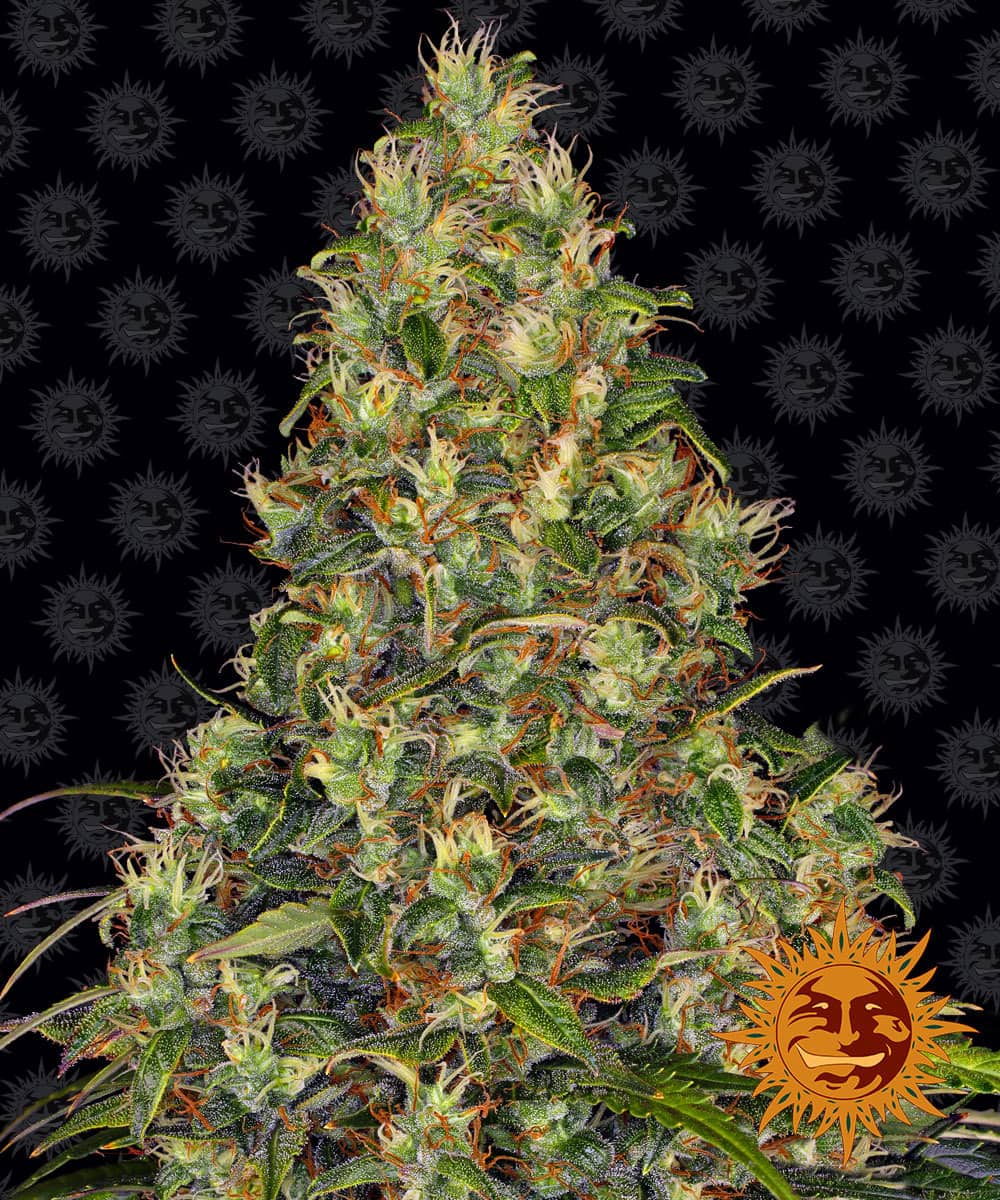
Amnesia Haze is one of the most recognisable Haze-family strains to emerge from the Dutch cannabis scene. Its precise origins are somewhat disputed, which is common with cannabis varieties that developed before detailed genetic records became standard, but its background is generally associated with Haze and a mixture of Jamaican, Southeast Asian, Hawaiian and Afghani genetics.
Amnesia Haze became particularly closely associated with Amsterdam during the 1990s and 2000s and went on to gain considerable recognition in cannabis competitions. Its sensory profile is commonly described as citrus-led, earthy and spicy, sometimes with sweeter tropical notes.
Modern Amnesia Haze Auto varieties combine characteristics associated with the original photoperiod strain with autoflowering genetics. These should be considered descendants or interpretations of Amnesia Haze rather than the original classic itself.

Purple Haze
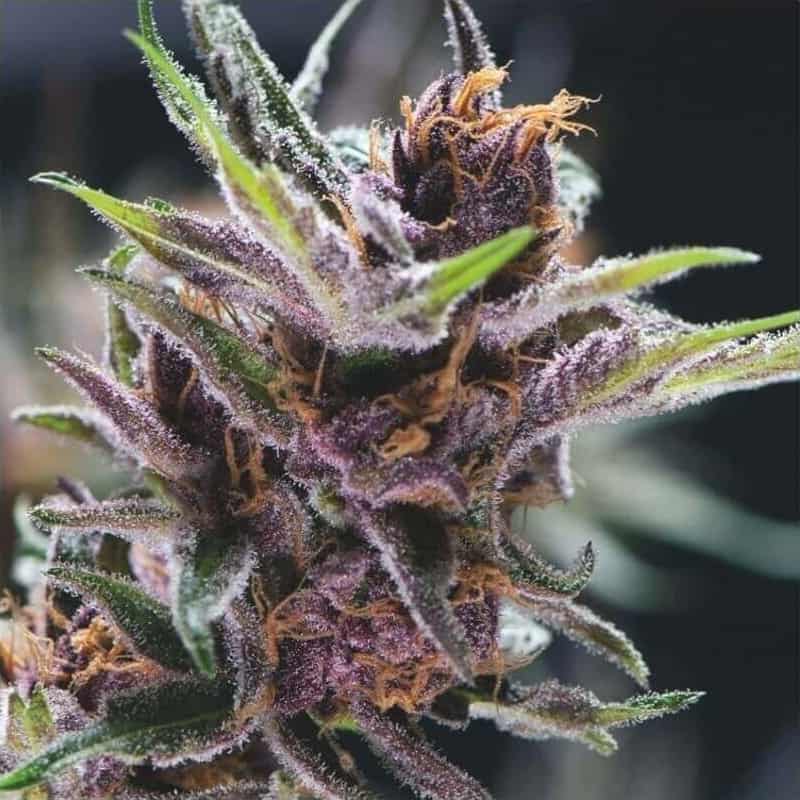
Few cannabis names are as culturally recognisable as Purple Haze. The name is closely associated with Jimi Hendrix’s famous 1967 song, although the history and precise genetic origin of cannabis sold under the Purple Haze name is considerably less clear-cut.
Modern Purple Haze varieties are generally associated with the broader Haze family and purple cannabis genetics, with some versions tracing their lineage to Haze and Purple Thai-type genetics. Depending on the particular breeder and phenotype, the flowers can develop distinctive purple or violet colouring alongside aromas commonly described as berry-like, earthy, sweet and spicy.
As with Amnesia Haze, Purple Haze Auto is a later autoflowering interpretation rather than the original Haze-era variety. The continued use of the Purple Haze name across multiple breeders demonstrates just how enduring its place in cannabis culture has become.

Durban Poison
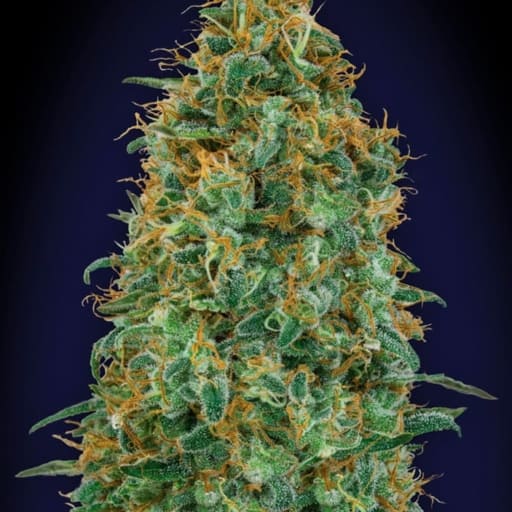
Durban Poison is one of the most famous old-school sativa strains and traces its origins to the area around Durban in South Africa. Unlike many modern cannabis varieties, it is closely associated with traditional South African sativa genetics and has retained a particularly strong reputation among enthusiasts of classic strains.
Its aroma and flavour are commonly described as sweet and earthy with distinctive spicy, pine, aniseed or liquorice-like notes. Durban Poison is also traditionally associated with clear-headed, energetic and uplifting reported effects, characteristics that helped establish its international reputation as a classic sativa.
Durban Poison has also had a lasting influence on modern cannabis breeding. Durban-derived genetics appear in the lineage of numerous later hybrids, including the wider Girl Scout Cookies family, making it important not only as an established strain in its own right but also as a building block behind some of today’s best-known cannabis varieties.
Super Lemon Haze
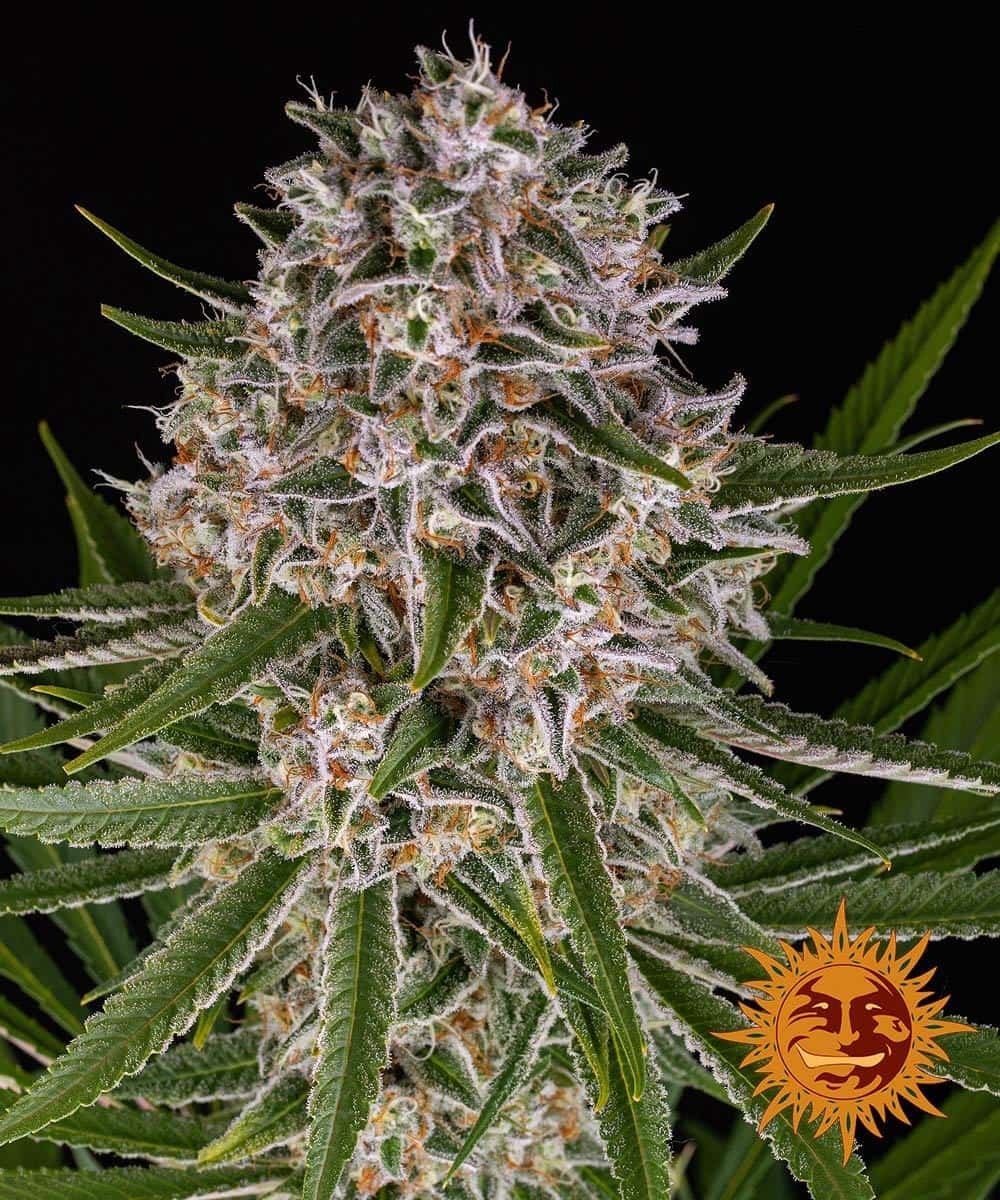
Super Lemon Haze is one of the best-known modern Haze strains and a cross between Lemon Skunk and the legendary Super Silver Haze. Created by Green House Seed Company, it established its reputation after winning the High Times Cannabis Cup in both 2008 and 2009.
The strain takes much of its identity from its distinctive citrus profile. Lemon, citrus peel and sweeter notes are commonly reported alongside the earthy and Haze-like characteristics inherited from its parentage.
Super Lemon Haze is generally classified as a sativa-dominant hybrid and has become influential enough to be regarded as a modern classic in its own right. Its popularity has subsequently produced numerous breeder interpretations, crosses and autoflowering versions, including Super Lemon Haze Auto varieties.
Tangerine Dream
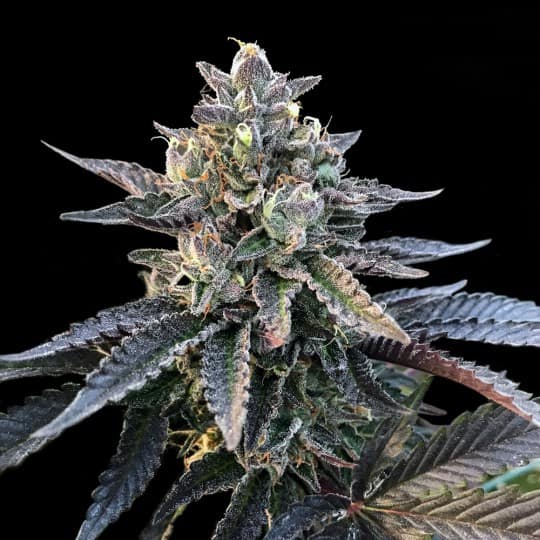
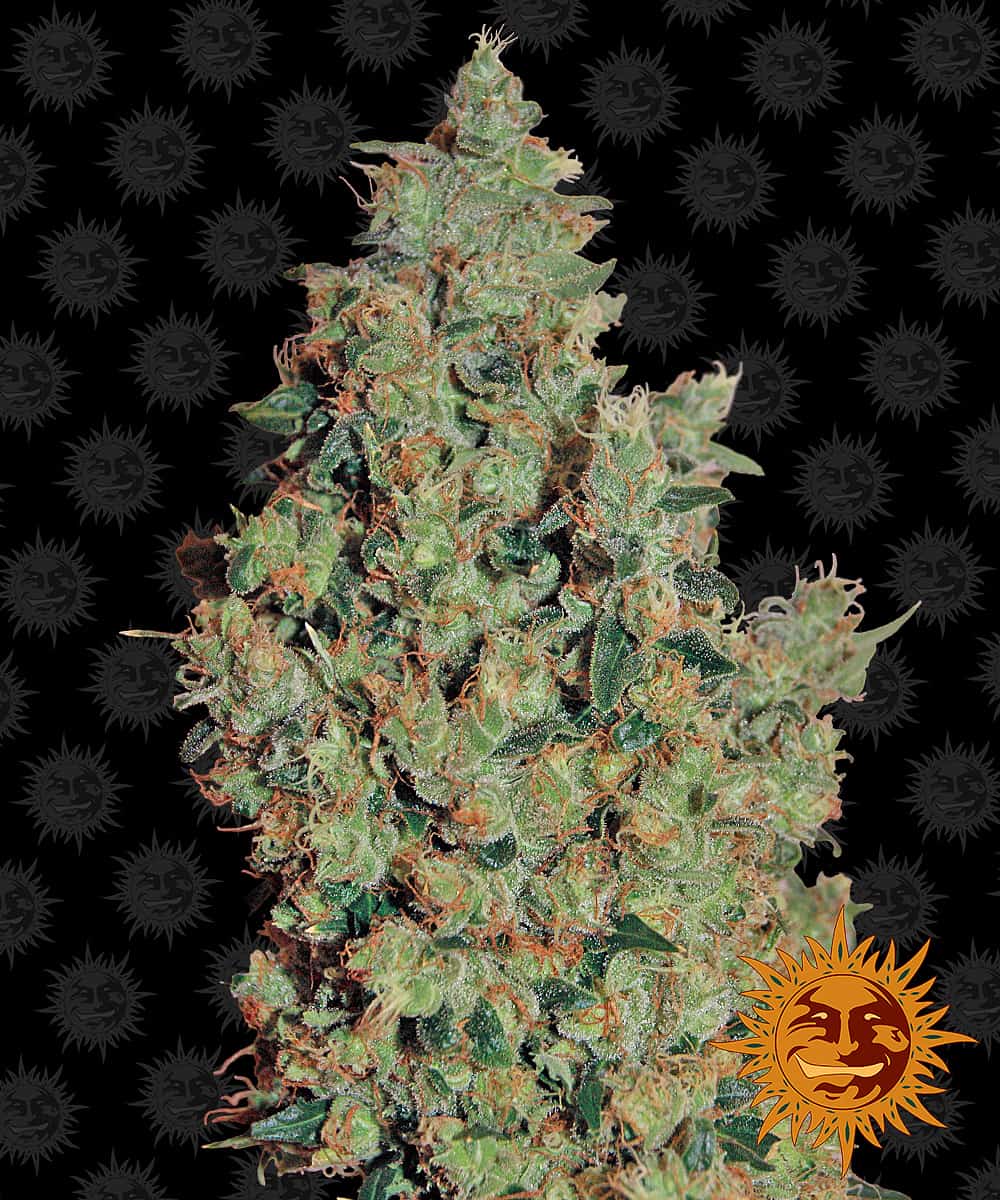
Tangerine Dream is another established sativa-influenced hybrid with a strong competition pedigree. Barney’s Farm describes its genetics as G13, Afghani and Neville’s A5 Haze, combining old-school Haze influence with genetics from very different cannabis families.
The strain became particularly well known after Barney’s Tangerine Dream won the overall Cannabis Cup in 2010. As its name suggests, citrus is central to its sensory profile, with sweet tangerine, citrus fruit and subtle earthy notes commonly associated with the strain.
Tangerine Dream is generally described as sativa-leaning rather than a pure sativa. Its Haze ancestry and longstanding reputation nevertheless give it a clear connection to classic sativa breeding, while modern Tangerine Dream Auto varieties provide another example of an established strain being adapted into autoflowering form.
Other Classic Sativa Strains Worth Knowing
No list of five strains can cover every important sativa. Several other names repeatedly appear when discussing the varieties that helped shape modern sativa genetics.
Jack Herer became an internationally recognised Dutch classic during the 1990s, while Super Silver Haze helped establish the Haze family as a dominant force in European cannabis competitions.
Sour Diesel became a defining American sativa-dominant strain during the 1990s, recognised for its distinctive fuel-like aroma, while older varieties such as Acapulco Gold and Maui Wowie remain closely associated with the history of landrace and early sativa cannabis.
Conclusion
Classic sativa cannabis encompasses far more than a single genetic type. The category includes old landrace-derived varieties, influential Haze lines and later sativa-dominant hybrids that have established lasting reputations of their own.
Durban Poison represents the older landrace-derived side of sativa history, while Amnesia Haze and Purple Haze demonstrate the enduring influence of Haze genetics. Super Lemon Haze and Tangerine Dream show how breeders continued developing those characteristics into newer, award-winning hybrids that became recognised classics in their own right.
For anyone exploring the history of cannabis genetics, these five strains provide a useful snapshot of how traditional sativa characteristics have influenced different generations of breeding, from South African landrace genetics and old Haze lines through to some of the best-known modern sativa-dominant hybrids.