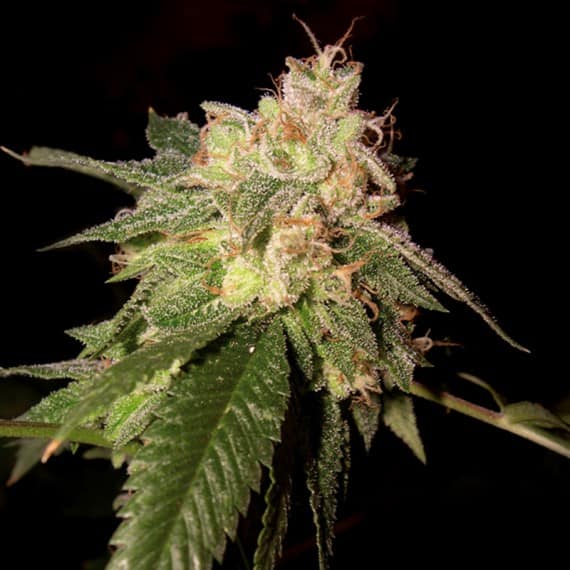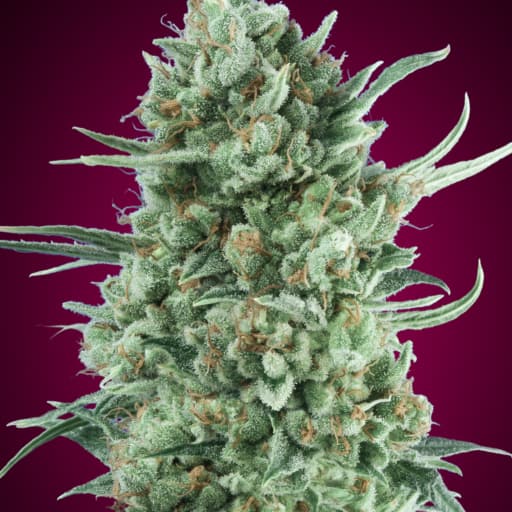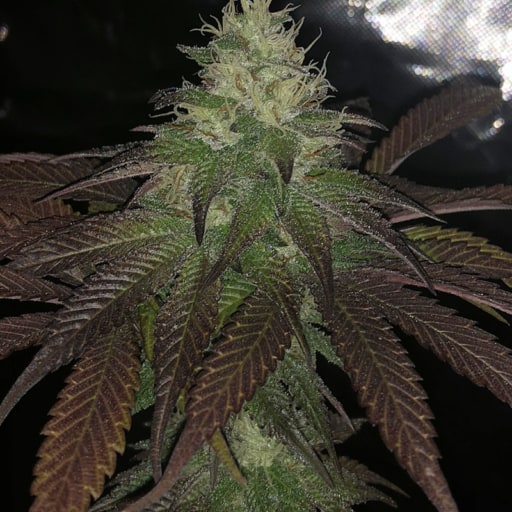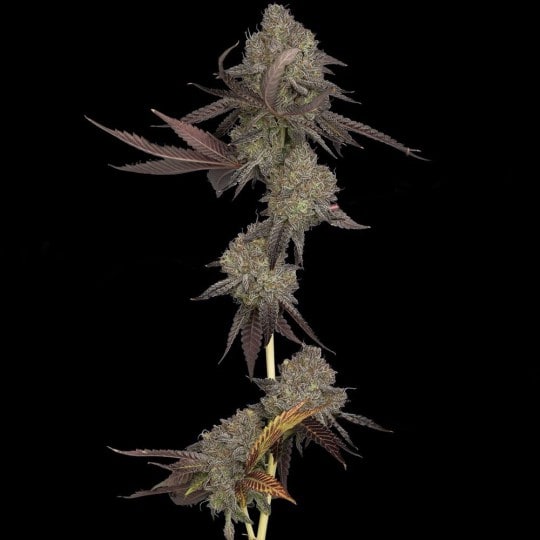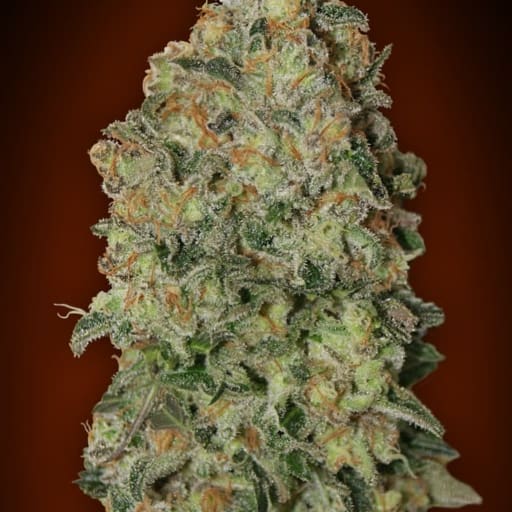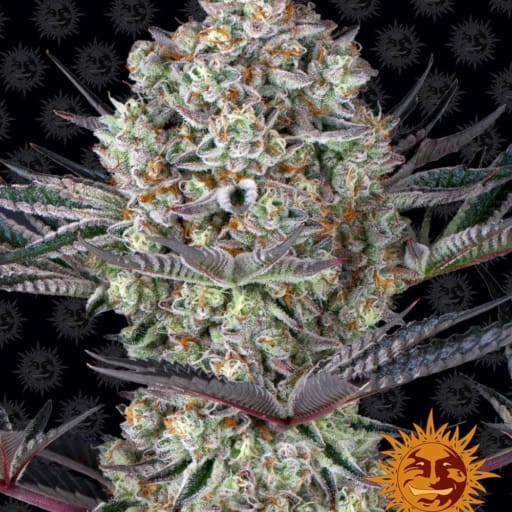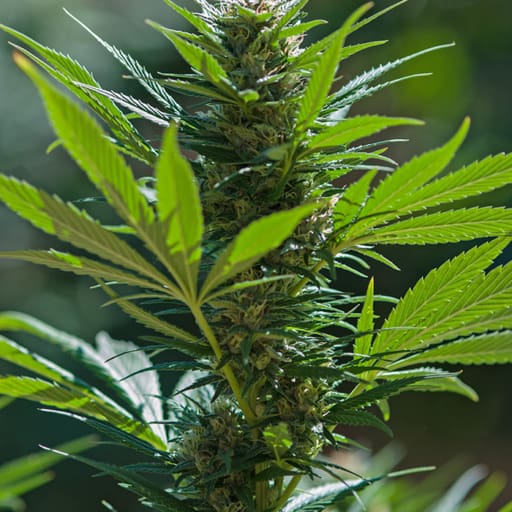
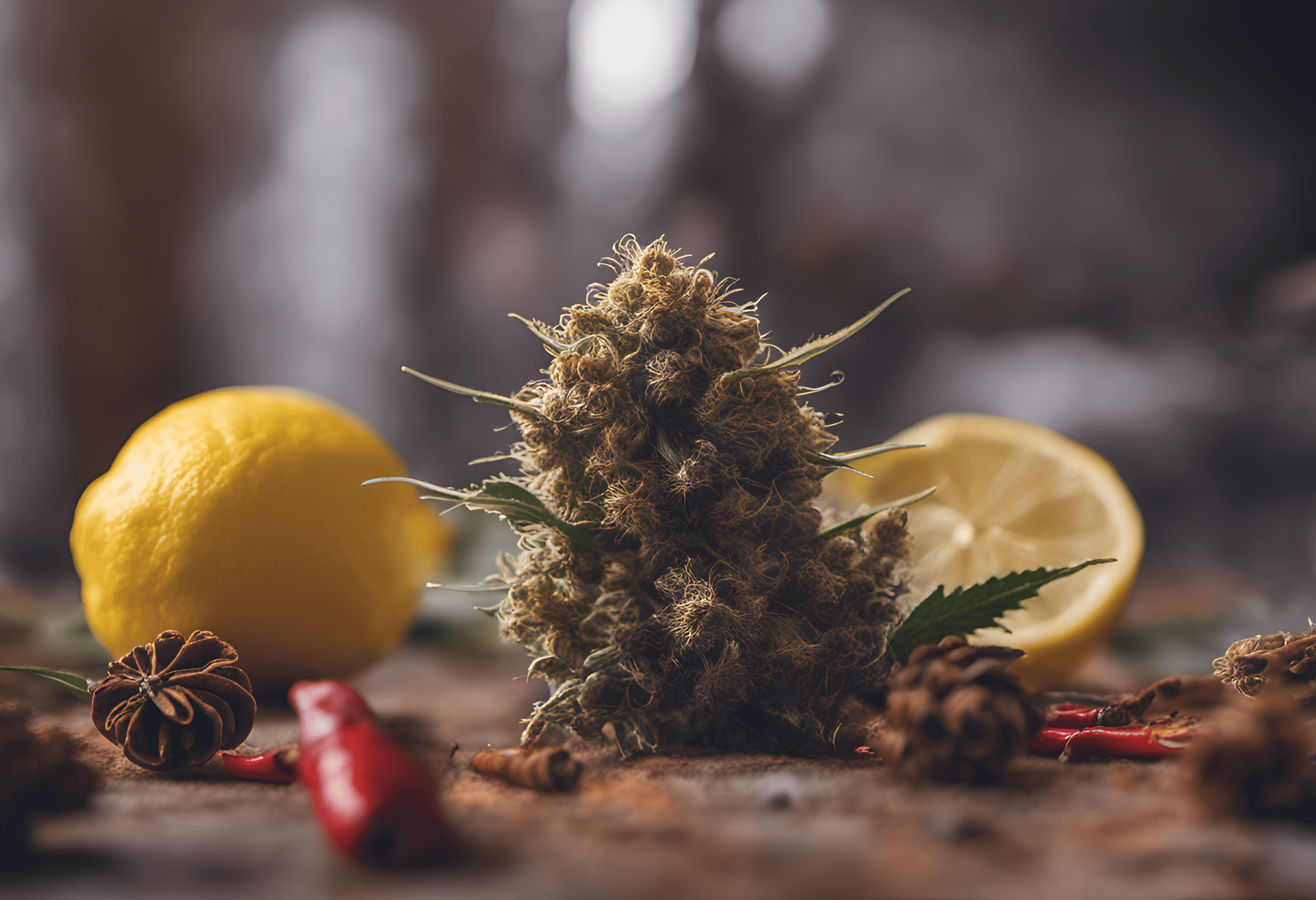
The Northern Lights marijuana strain is renowned for its legendary status and cannabinoid profile, but another important part of its identity is its unmistakable aroma. Earthy, piney, herbal and slightly spicy notes are commonly associated with Northern Lights, and much of this character comes from the terpenes produced by the plant.
In this article, we explore the Northern Lights terpene profile, looking at the aromatic compounds most commonly associated with the strain, what each contributes to its scent and flavour, and why the exact terpene balance can differ between Northern Lights varieties.
Understanding Terpenes
Terpenes are aromatic compounds naturally produced by many different plants, including cannabis. They contribute significantly to fragrance and flavour and are responsible for many of the familiar citrus, pine, floral, herbal and spicy notes found across different cannabis strains.
Cannabis can contain numerous terpenes at the same time, but their concentrations vary according to genetics, phenotype and environmental conditions. This means a strain such as Northern Lights does not have one universally fixed terpene formula.
Terpenes are also being studied for a range of biological properties, but it is important not to assume that the presence of one particular terpene means a cannabis strain will reliably produce a specific medical or psychoactive effect. The overall experience involves a much more complicated combination of cannabinoids, terpenes, dose and individual response.
What Are the Main Terpenes in Northern Lights?
Different laboratory samples and breeder versions of Northern Lights can produce different terpene profiles, but several compounds appear repeatedly.
Myrcene: Myrcene is frequently reported as one of the dominant terpenes in Northern Lights. It has an earthy, musky and herbal aroma and is one of the most common terpenes found throughout cannabis. Its presence fits closely with the deep earthy character traditionally associated with Northern Lights.
Beta-Caryophyllene: Caryophyllene contributes peppery, woody and spicy notes. It is particularly interesting among cannabis terpenes because beta-caryophyllene can interact with CB2 receptors in the body’s endocannabinoid system. This does not mean its presence alone determines the effects of Northern Lights, but it is one of the most studied terpenes found in cannabis.
Pinene: As its name suggests, pinene produces the fresh, resinous aroma associated with pine trees and other conifers. Pinene is reported in a number of Northern Lights profiles and helps explain the distinctive pine and forest-like notes frequently used to describe the strain.
Limonene: Limonene is responsible for many of the bright citrus aromas found in plants. In Northern Lights it is usually less obvious than the earthy and pine characteristics, but some examples contain enough limonene to introduce subtle lemon or citrus notes to the overall profile.
Other Terpenes: Depending on the breeder and individual phenotype, Northern Lights may contain smaller quantities of terpenes such as linalool, humulene, terpinolene or nerolidol. These should be considered possible components rather than defining terpenes present at the same concentrations in every Northern Lights plant.
What Does Northern Lights Smell Like?
The interaction between its different terpenes creates the aroma for which Northern Lights has become known. Rather than smelling strongly of one individual compound, the strain typically combines several layers.
Earthy and herbal characteristics are usually the most prominent, with pine, wood and spice appearing underneath. Some versions also show a subtle sweetness or citrus edge that gives the aroma more complexity.
This explains why descriptions of Northern Lights can differ slightly between breeders and consumers. One phenotype may lean heavily towards earth and pine, while another may express more spice, herbs or citrus despite sharing the same strain name.
Do Northern Lights Terpenes Affect the Experience?
Terpenes are frequently discussed alongside the reported effects of cannabis strains, and Northern Lights has traditionally been associated with a relaxing, predominantly physical experience.
However, it is difficult to attribute those characteristics to myrcene, caryophyllene or any other individual terpene. Northern Lights also contains cannabinoids such as THC alongside many other compounds, and the chemical composition can vary considerably between samples.
Researchers continue to investigate whether cannabinoids and terpenes interact in meaningful ways. This proposed interaction is often described as the “entourage effect”, but the scientific evidence remains more nuanced than many cannabis marketing claims suggest.
For this reason, a terpene profile is most useful as a way of understanding the strain’s aroma and chemical composition rather than as a guaranteed prediction of exactly how Northern Lights will affect an individual.
Why Can Northern Lights Terpene Profiles Differ?
There is no single laboratory specification that defines the terpene profile of every Northern Lights plant. Several factors can influence the compounds detected and their concentrations.
- Breeder Genetics: Northern Lights has been reproduced by numerous breeders over several decades, and different seed lines do not necessarily contain identical genetics.
- Phenotype: Individual plants from the same genetic line can express different aromatic characteristics.
- Growing Environment: Temperature, light and other environmental conditions can influence terpene production.
- Harvest and Processing: Terpenes are volatile compounds, meaning harvest timing, drying, storage and handling can all affect the final aromatic profile.
- Laboratory Testing: Different samples and analytical methods can produce different reported terpene concentrations.
This variation is why it is more accurate to describe myrcene, caryophyllene, pinene and limonene as terpenes commonly associated with Northern Lights rather than presenting one fixed terpene recipe for the strain.
Northern Lights Autoflower Terpenes
Autoflowering Northern Lights varieties combine Northern Lights-derived genetics with autoflowering traits. Although breeders generally aim to preserve the recognisable earthy, pine and spicy character of the original strain family, autoflowering versions should not be assumed to have exactly the same terpene concentrations as traditional photoperiod Northern Lights.
The exact aromatic profile will depend on the breeder and the genetics used to create that particular version. Some may remain strongly myrcene-led, while others can express more caryophyllene, pinene, limonene or other secondary terpenes.
This makes the breeder’s individual strain information and, where available, laboratory analysis more useful than assuming every Northern Lights Auto will share an identical terpene profile.
Final Thoughts
The Northern Lights terpene profile is a major part of what gives this classic strain its distinctive identity. Myrcene and beta-caryophyllene appear particularly frequently, while pinene and limonene help contribute the pine, spice and occasional citrus notes found in different examples of the strain.
Rather than one fixed chemical recipe, Northern Lights is better understood as having a recognisable family of aromatic characteristics that can vary between breeders and phenotypes. Earth, musk, pine, herbs and spice remain at the heart of the profile, but the balance between them can change noticeably from one version to another.
Understanding those variations provides a clearer picture of what makes Northern Lights distinctive without relying on claims that a particular terpene automatically guarantees a certain effect.