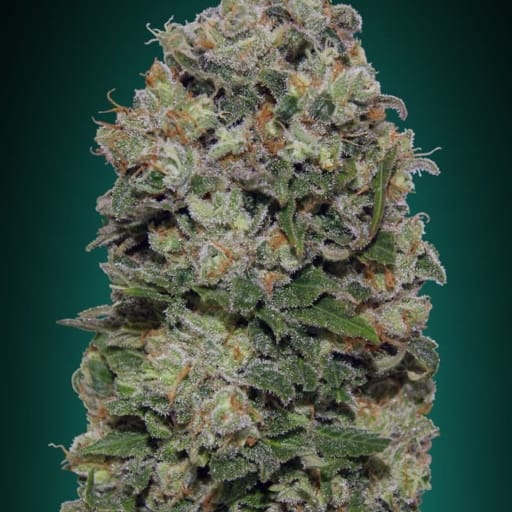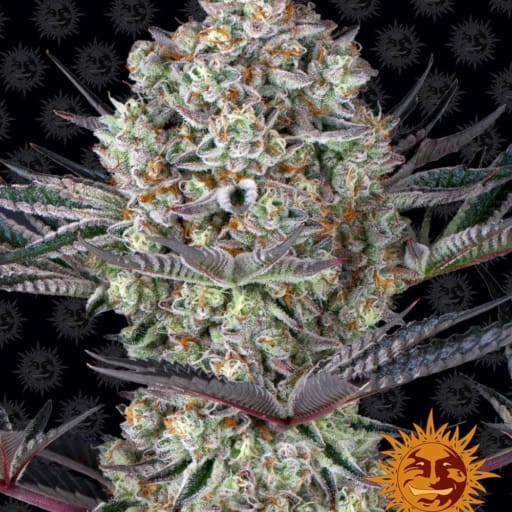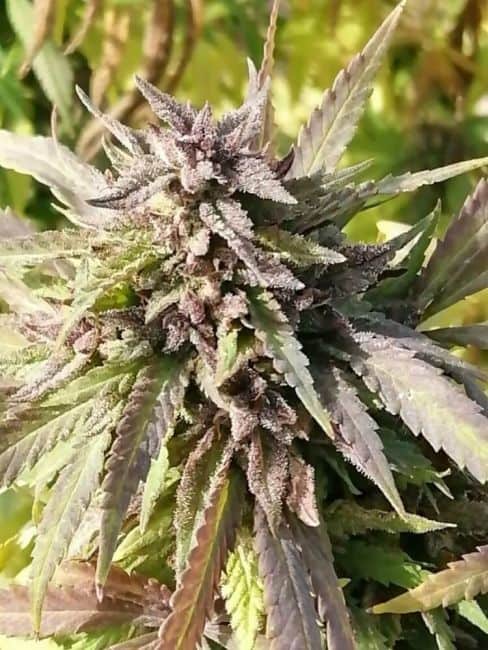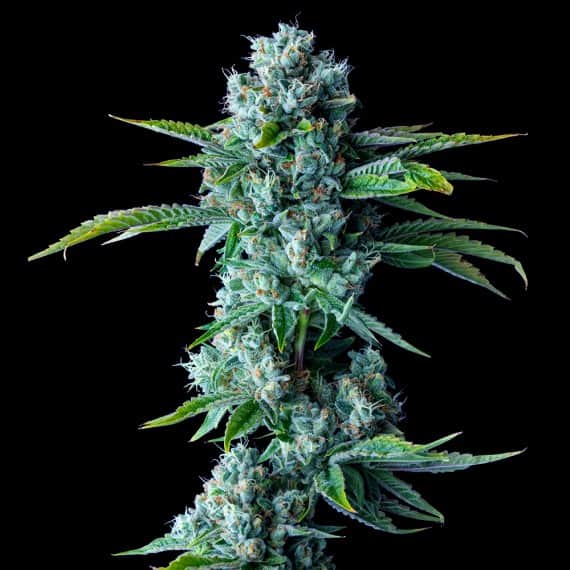
Northern Lights has become one of the most legendary and recognisable names in cannabis history. Known for its predominantly indica character, heavy resin production and considerable influence on later breeding, the strain has remained relevant for decades despite the constant arrival of new cannabis varieties.
Its precise beginnings are still debated, but Northern Lights is generally associated with early breeding work in the Pacific Northwest of the United States before the genetics reached the Netherlands during the 1980s. From there, Northern Lights became closely connected with the emerging Dutch seed-bank scene and developed into the internationally recognised strain we know today.
In this article, we explore the history of Northern Lights, its disputed origins, genetic background and lasting influence on cannabis breeding. We also look at how the strain has evolved into the regular, feminised and autoflowering seed varieties now available.
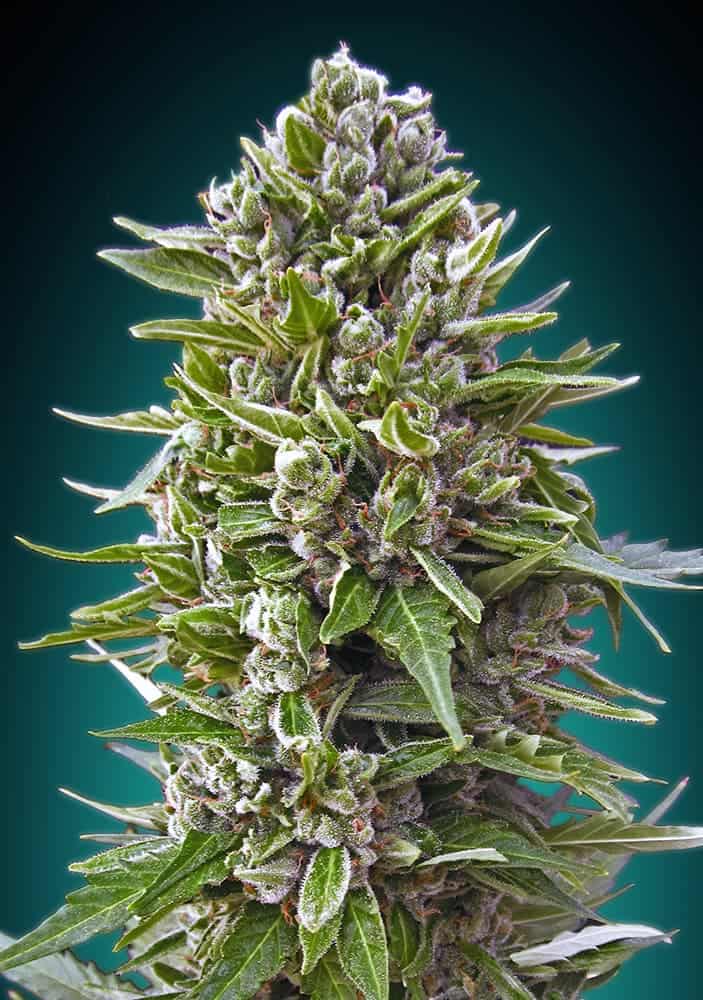
Northern Lights Seeds
Northern Lights has been reproduced and refined by cannabis breeders for decades, so modern seed versions can differ depending on the breeder behind them. Most retain the predominantly indica character associated with Northern Lights, although the exact lineage, characteristics and balance of Afghan and Thai influence can vary between individual seed lines.
Today, Northern Lights is available in several formats. Feminised photoperiod seeds are widely available, while traditional regular versions remain important to breeders and collectors interested in older-style seed lines. Autoflowering Northern Lights varieties introduce autoflower genetics to create a distinctly modern interpretation of the strain.
With numerous breeder versions now available, it is worth comparing more than the Northern Lights name alone. Looking at the breeder, seed type and stated lineage makes it easier to understand how different versions relate to one of the most influential cannabis strains of the last several decades.
The Mysterious Beginnings of Northern Lights
The true origins of Northern Lights remain uncertain and have been debated for decades. One of the most widely repeated accounts places its early development around Seattle, Washington, during the late 1970s and early 1980s.
Rather than beginning as the single uniform strain recognised today, early accounts describe Northern Lights as a family of related selections. Of these, Northern Lights #5 would eventually become the most famous and influential.
The genetics later made their way to the Netherlands, where they became connected with pioneering breeder Nevil Schoenmakers and The Seed Bank of Holland. Dutch breeding and selection helped transform Northern Lights from relatively obscure American genetics into one of the defining varieties of the emerging European cannabis seed industry.
Because much of this development happened during prohibition, detailed records were rarely maintained publicly. As a result, some parts of the Northern Lights story remain part documented history and part cannabis folklore.
Genetic Composition of Northern Lights
The Northern Lights strain is predominantly indica and is generally associated with Afghan and Thai landrace genetics.
The Afghan influence is particularly evident in the traditional description of Northern Lights: compact structure, dense flowers, substantial resin production and an earthy, hash-like character. These qualities contributed significantly to the strain’s reputation during the development of indoor cannabis breeding in the 1980s.
Thai genetics are also commonly included in established Northern Lights pedigrees and provide a sativa element within an otherwise strongly indica-dominant genetic profile.
It is important to recognise that “Northern Lights” now describes numerous breeder interpretations rather than one universally identical genetic specimen. Exact indica-to-sativa percentages and lineage claims therefore differ between modern seed companies.
Historical Significance of Northern Lights
Northern Lights gained widespread recognition during the 1980s and early 1990s, a period when cannabis breeding in the Netherlands was becoming increasingly sophisticated and commercial seed banks were beginning to distribute named genetics internationally.
Northern Lights #5 became the most celebrated expression of the family. By 1990, Northern Lights #5 was already winning recognition at the High Times Cannabis Cup in Amsterdam, helping establish the strain as one of the defining varieties of its generation.
Its influence extended far beyond Northern Lights itself. Breeders repeatedly used Northern Lights genetics as the foundation for new hybrids, and its descendants include some of the most recognisable names in cannabis history.
Northern Lights genetics can be found within strains such as Shiva Skunk, Jack Herer and Super Silver Haze, while the famous Northern Lights #5 × Haze combination became an important strain in its own right. This breeding influence is arguably one of the strongest reasons Northern Lights still matters today.
Influence on Cannabis Culture
Northern Lights became more than simply another successful strain. Alongside names such as Skunk #1, Haze and Afghani, it helped define the first generation of cannabis genetics that became internationally recognised by strain name.
 Its reputation also coincided with the rise of Amsterdam as an international centre of cannabis culture. Seed catalogues, coffee shops and cannabis competitions introduced Northern Lights to enthusiasts from across Europe and beyond, allowing the genetics to spread far more widely than would have been possible during its earlier underground American history.
The strain’s name has endured remarkably well. Many cannabis varieties that appeared during the same period have disappeared from modern breeder catalogues, whereas Northern Lights remains available from numerous seed companies decades later.
Characteristics Associated with Northern Lights
Northern Lights is traditionally associated with a deeply relaxing and predominantly physical character, reflecting its strong indica influence. Reported experiences can vary considerably between individuals and between different modern versions of the strain.
Its aroma is generally described as earthy, woody and piney, often accompanied by herbal, spicy or slightly sweet notes. Heavy resin production is another characteristic closely associated with classic Northern Lights genetics.
Modern Northern Lights varieties can also differ considerably in cannabinoid levels. Rather than treating one THC percentage as definitive for the strain, figures should be considered specific to the particular breeder, phenotype and growing conditions involved.
Autoflowering Northern Lights Seeds
Modern breeders have developed numerous autoflowering interpretations of Northern Lights. These combine characteristics associated with the original strain with autoflower genetics, allowing flowering to begin according to plant maturity rather than depending entirely on seasonal changes in daylight.
Northern Lights has proved particularly popular within the autoflowering category, and versions are now available from numerous breeders. They commonly aim to retain the compact structure, earthy aroma and predominantly indica character associated with the original genetics.
These should nevertheless be considered modern descendants or interpretations of Northern Lights rather than genetically identical versions of the historic Northern Lights lines.
Feminised Northern Lights Seeds
Feminised Northern Lights seeds have become one of the most common ways in which the strain is sold today. Feminised seed production is designed to produce female plants, removing the natural male-to-female variation found with traditional regular cannabis seeds.
Numerous breeders now offer feminised Northern Lights, often selecting their own particular expression of the strain. This means characteristics can vary even when two seed products carry exactly the same Northern Lights name.
For anyone comparing feminised Northern Lights seeds, the breeder and stated genetic background therefore provide useful context alongside the strain name itself.
Regular Northern Lights Seeds
Regular Northern Lights seeds retain the traditional ability to produce both male and female plants. Although regular cannabis seeds have become less common as feminised varieties have grown in popularity, they remain particularly relevant to breeding and genetic preservation.
For Northern Lights specifically, regular seed lines also provide an interesting connection with the strain’s history. The original Northern Lights genetics developed long before feminised or autoflowering cannabis seeds became commercially widespread.
Regular, feminised and autoflowering Northern Lights should therefore be understood as different formats and breeder interpretations of a genetic family whose history stretches back several decades.
Wrapping It Up
The history of Northern Lights is a combination of documented breeding milestones and unresolved cannabis folklore. Its earliest development is generally associated with the Pacific Northwest of the United States, while its move to the Netherlands and subsequent development through the Dutch seed industry transformed it into an internationally recognised strain.
Northern Lights #5 became the most famous expression of the genetics, gaining competition recognition and becoming an important parent behind numerous later cannabis classics. Its Afghan and Thai heritage, predominantly indica character and extensive influence on breeding have helped Northern Lights remain relevant long after many strains from the same era disappeared.
Today, regular, feminised and autoflowering versions allow the Northern Lights name to continue across a wide range of breeder catalogues. Individual versions may differ, but the strain’s place within cannabis history remains difficult to dispute.