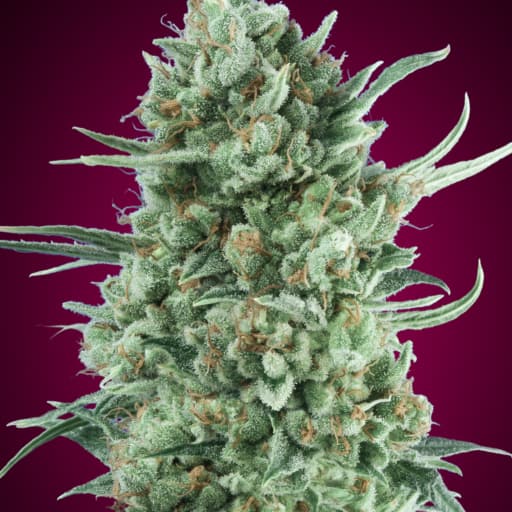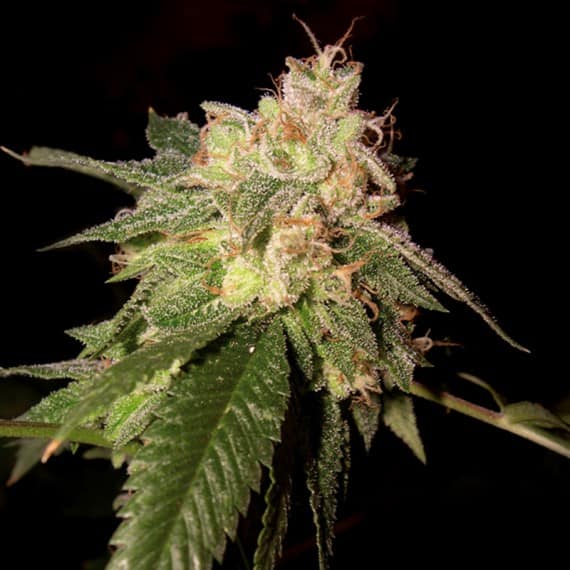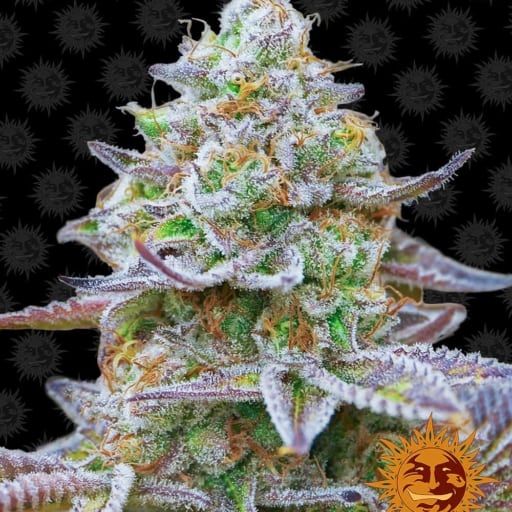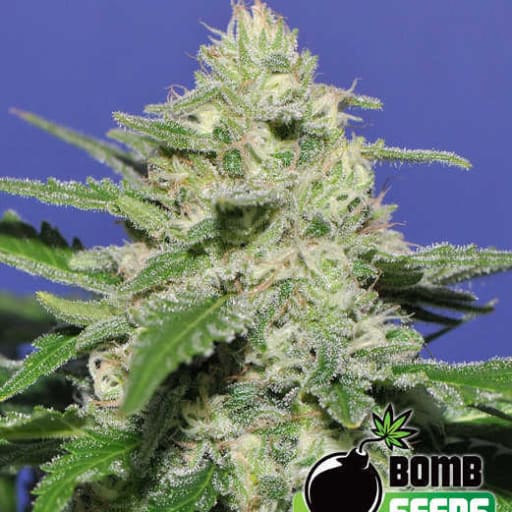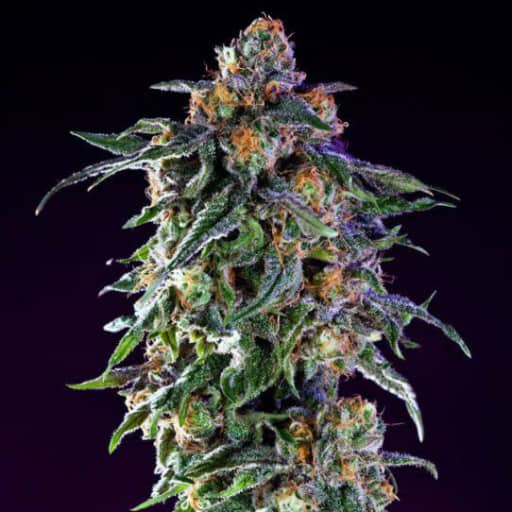
The Northern Lights strain of cannabis has become highly regarded among cannabis enthusiasts for many reasons. Its fascinating history, distinctive aroma and cannabinoid profile have all contributed to its legendary status. In this article, we delve into the world of cannabinoids, focusing specifically on the Northern Lights cannabinoid profile, the compounds commonly associated with the strain and why cannabinoid levels can vary between different versions.
Understanding Cannabinoids
Cannabinoids are naturally occurring compounds found in cannabis plants that interact with the body’s endocannabinoid system. THC and CBD are the two best-known examples, although cannabis contains numerous other cannabinoids in smaller concentrations.
THC (tetrahydrocannabinol) is the principal intoxicating cannabinoid associated with cannabis, while CBD (cannabidiol) is non-intoxicating and has been extensively researched for a range of potential applications.
Other cannabinoids such as CBG, CBC and CBN may also occur in cannabis, although their concentrations are generally much lower than THC in a THC-dominant strain such as Northern Lights.
The Cannabinoid Profile of Northern Lights
Like other established cannabis strains, Northern Lights does not have one universally fixed cannabinoid profile. Numerous breeders offer their own versions of the genetics, while phenotype and environmental conditions can also influence the cannabinoid concentrations ultimately produced.
Northern Lights is generally best described as a THC-dominant strain with relatively low levels of CBD.
- THC (Tetrahydrocannabinol): Northern Lights is commonly associated with moderate-to-high THC levels. Published breeder figures vary considerably, with some versions reported at around 18% THC and others exceeding 20%. This variation means that one fixed THC percentage should not be applied to every Northern Lights plant.
- CBD (Cannabidiol): Traditional Northern Lights varieties generally contain considerably less CBD than THC. It should therefore not be described as a balanced THC-to-CBD strain unless referring to a particular breeder version specifically developed with increased CBD content.
- Other Minor Cannabinoids: Northern Lights can also contain smaller quantities of cannabinoids such as CBG and its precursor CBGA, alongside trace amounts of other cannabinoids. Their exact concentrations vary between individual samples and cannot reliably be predicted from the strain name alone.
Why Northern Lights THC Levels Vary
The wide range of THC figures associated with Northern Lights is partly a result of the strain’s long breeding history. Several versions of Northern Lights have circulated over the decades, and modern seed companies often work with their own selections and interpretations of the genetics.
Phenotype can create further variation between individual plants from the same seed line. Environmental conditions, maturity at harvest and laboratory testing methods can also influence the final cannabinoid figures reported.
This is why a breeder’s stated cannabinoid figures are better regarded as an indication of what that particular genetic line may produce rather than a guaranteed specification for Northern Lights as a whole.
THC, THCA and Total THC
When comparing laboratory results, it is also useful to distinguish between THC and THCA.
Cannabis plants primarily produce THCA (tetrahydrocannabinolic acid), the acidic precursor to THC. Heat causes THCA to convert into THC through a process known as decarboxylation.
Some laboratory reports therefore list THC and THCA separately, while others provide a calculated figure for total potential THC. This can make cannabinoid percentages appear different depending on how the results are presented.
Understanding the Entourage Effect
To understand the overall chemical profile of Northern Lights, cannabinoids can also be considered alongside other cannabis compounds such as terpenes.
The idea that cannabinoids and other compounds may interact with one another is commonly referred to as the “entourage effect”. Research into these interactions is continuing, but the concept should not be interpreted to mean that a particular cannabinoid or terpene guarantees a specific effect.
The terpene profile of Northern Lights is commonly associated with compounds such as myrcene, caryophyllene, limonene and pinene, which contribute to the strain’s characteristic earthy, spicy and pine-like aroma.
Minor Cannabinoids in Northern Lights
THC receives most of the attention when discussing Northern Lights, but minor cannabinoids can form part of its wider chemical profile.
CBG, for example, has been detected in Northern Lights samples and may be present in small concentrations. Cannabis initially produces cannabinoid acids such as CBGA, which act as precursors to several major cannabinoids during the plant’s development.
CBN can also occur as THC ages and oxidises, while compounds such as CBC may be detected in very small quantities. However, there is not enough consistent strain-specific testing to assign reliable fixed percentages for these minor cannabinoids across Northern Lights as a whole.
Northern Lights Phenotypes and Cannabinoid Variation
The Northern Lights name represents a long-established family of related genetics rather than one chemically identical plant. Different breeders, selections and phenotypes can therefore produce noticeably different cannabinoid results.
The same principle applies to feminised, regular and autoflowering Northern Lights varieties. Autoflowering versions incorporate genetics responsible for automatic flowering and should not automatically be assumed to have exactly the same cannabinoid profile as traditional photoperiod Northern Lights.
For anyone comparing different Northern Lights seeds, the figures supplied by the individual breeder are therefore more useful than relying on a single THC or CBD percentage attributed to the strain generally.
In Conclusion
The Northern Lights cannabinoid profile is best characterised as THC-dominant with relatively low CBD, accompanied by smaller quantities of minor cannabinoids such as CBG.
Although Northern Lights is frequently given a single THC percentage or narrow percentage range, modern breeder versions demonstrate that cannabinoid concentrations can vary considerably. Genetics, phenotype, environmental conditions and laboratory methodology can all influence the final figures.
Understanding this variation gives a more accurate picture of Northern Lights than treating it as having one fixed chemical formula. Alongside its distinctive terpene profile and long history, its predominantly THC-rich cannabinoid profile remains one of the defining characteristics associated with this classic cannabis strain.