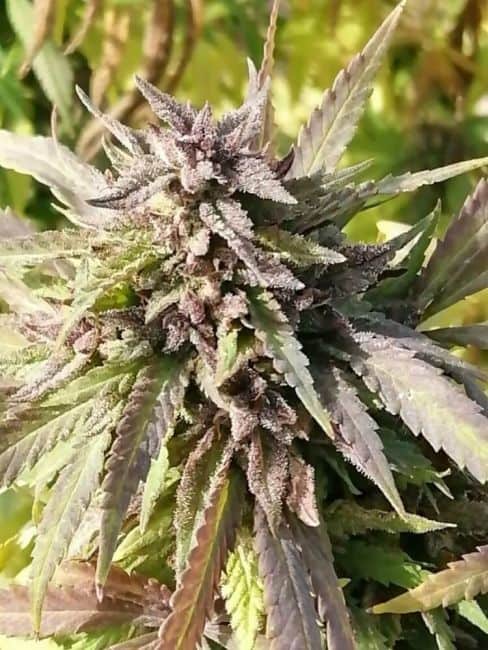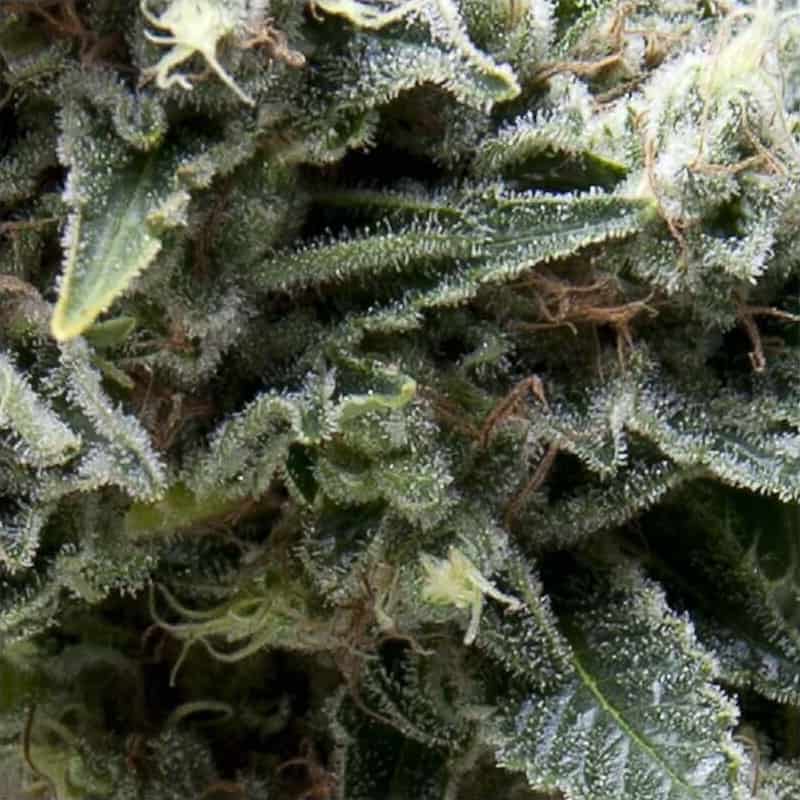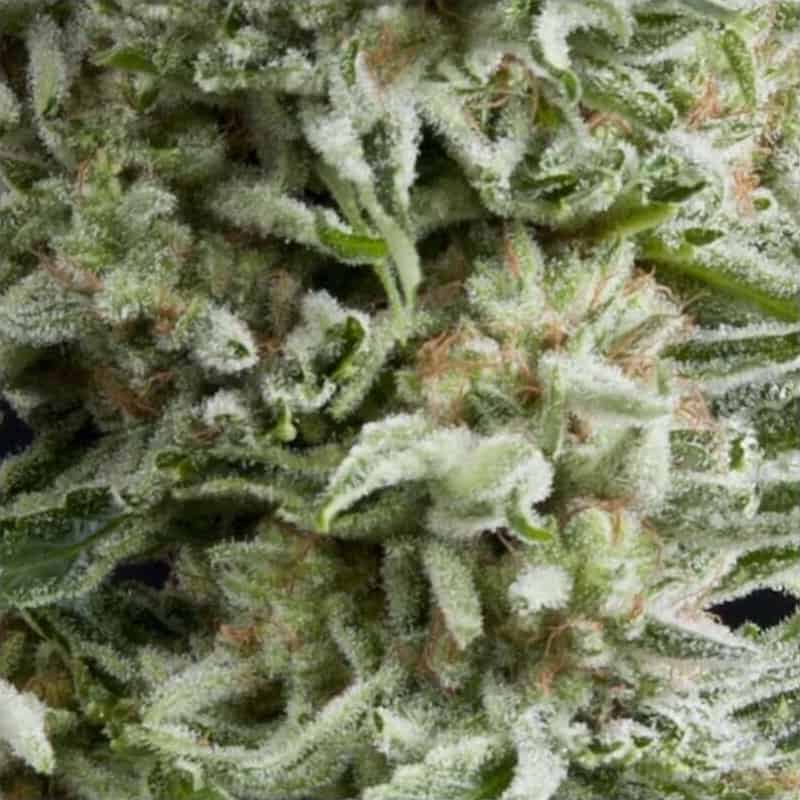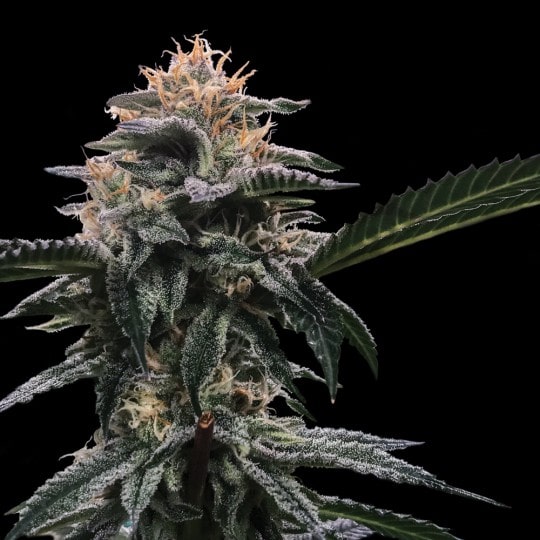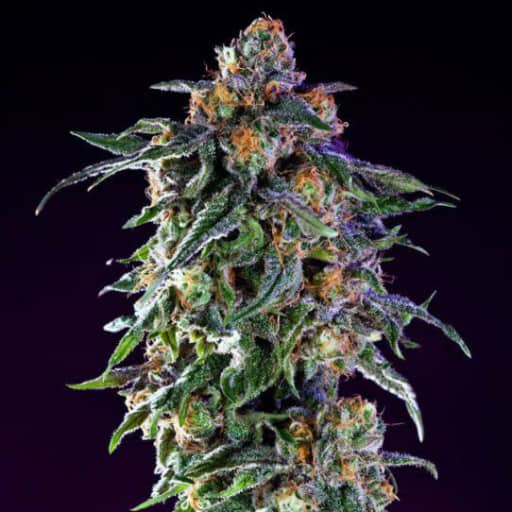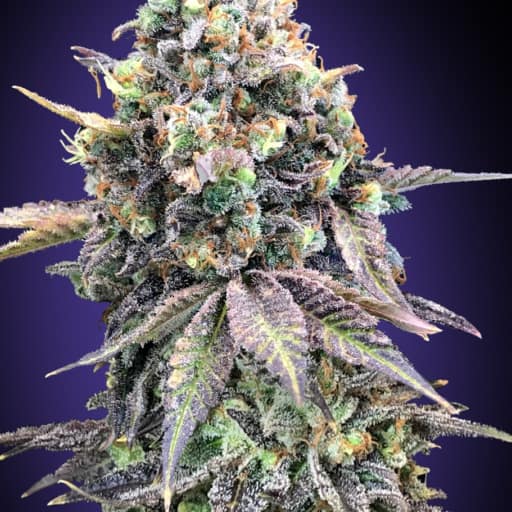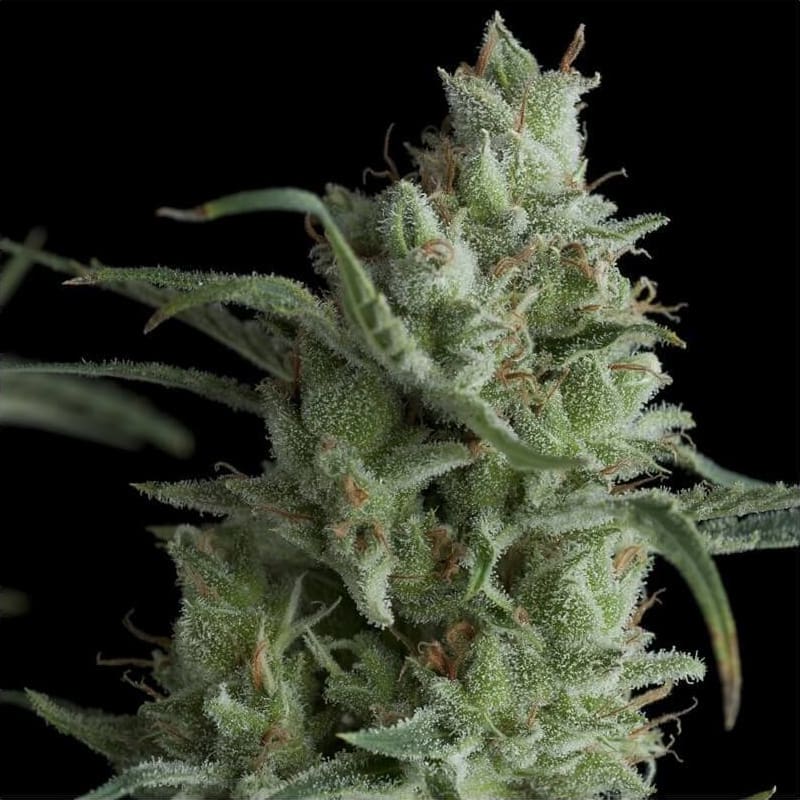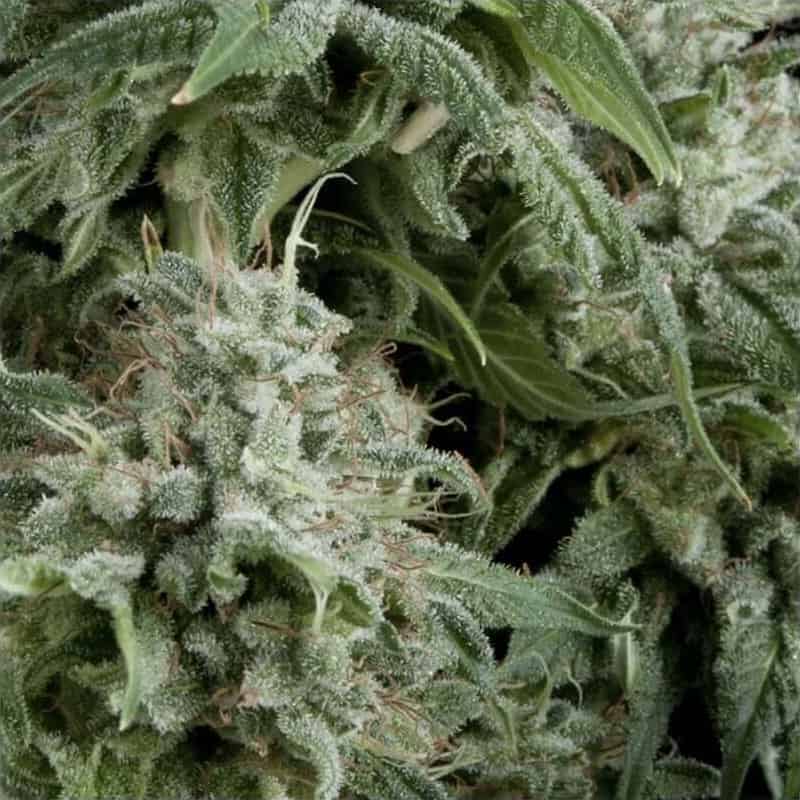
Amnesia Haze, a well-known cannabis strain with a fascinating history and distinctive terpene profile, is also recognised for its cannabinoid composition. It is typically associated with relatively high levels of THC and comparatively low levels of CBD, although the exact figures can vary substantially between breeders, phenotypes and individual samples.
In this article, we take a closer look at the Amnesia Haze cannabinoid profile, including THC, CBD and some of the lesser-known cannabinoids that may be present. We also explain why cannabinoid percentages can differ between Amnesia Haze cannabis seeds, phenotypes and autoflowering versions of the strain.
The Origins and Influence of Amnesia Haze
Before looking at the cannabinoids themselves, it is useful to understand why there can be so much variation between different examples of Amnesia Haze.
The precise history of the strain remains disputed, and several breeders have developed their own versions over the years. Amnesia Haze is generally associated with Haze and a mixture of Southeast Asian, Jamaican, Hawaiian and Afghani-influenced genetics, but there is no single modern seed line that represents every product sold under the name.
Its close association with Amsterdam’s cannabis scene helped turn Amnesia Haze into an internationally recognised strain, with numerous breeders subsequently creating their own photoperiod and autoflowering interpretations. We explore this background in more detail in our guide to Amnesia Haze strain history.
What Is the Amnesia Haze Cannabinoid Profile?
Cannabinoids are naturally occurring compounds produced by the cannabis plant. THC and CBD are the best known, but cannabis can contain more than a hundred different cannabinoids and cannabinoid-related compounds in varying concentrations.
Amnesia Haze is generally considered a THC-dominant cannabis strain. Most traditional versions contain substantially more THC than CBD, although the exact cannabinoid profile depends on the breeder, phenotype and individual plant.
Rather than treating one THC or CBD percentage as definitive for Amnesia Haze, published figures are better understood as characteristics of a specific seed line or tested sample.
THC in Amnesia Haze
THC (tetrahydrocannabinol) is the principal intoxicating cannabinoid associated with cannabis and is normally the dominant cannabinoid in Amnesia Haze.
Many modern Amnesia Haze varieties are described with THC levels around 20% or slightly above. For example, some breeder versions are listed at approximately 22% THC, while other tested examples and seed lines fall somewhat below or above that figure.
This means the commonly repeated claim that Amnesia Haze contains exactly 20-25% THC is too simplistic. A figure within that general region may be representative of many examples, but it should not be treated as a fixed specification for every Amnesia Haze plant.
The relatively high THC concentration is one reason Amnesia Haze has developed a reputation for pronounced cerebral and psychoactive effects. Individual experiences, however, can vary considerably and cannot be predicted from THC percentage alone.
CBD in Amnesia Haze
CBD (cannabidiol) is generally present at much lower concentrations in traditional Amnesia Haze than THC.
Many commercially available versions are described as containing low CBD levels, often below 1%. This produces a strongly THC-dominant cannabinoid ratio rather than the more balanced THC-to-CBD profile found in cannabis varieties specifically bred for higher CBD content.
There are also specialist CBD-rich strains and hemp varieties that use the Amnesia name, but these should not automatically be treated as having the same cannabinoid profile as traditional high-THC Amnesia Haze genetics.
THCA, THC and Total THC
One reason cannabis cannabinoid figures can sometimes appear confusing is that fresh cannabis does not contain all of its THC in the form normally associated with its psychoactive effects.
Much of the cannabinoid is initially produced as THCA (tetrahydrocannabinolic acid). When THCA is exposed to sufficient heat, it can convert into THC through a process known as decarboxylation.
Laboratory reports may therefore list THCA and THC separately, while others provide a calculated figure described as total THC. This distinction is important when comparing cannabinoid results because two labels can appear to show different THC percentages even when the underlying cannabinoid content is relatively similar.
Minor Cannabinoids in Amnesia Haze
THC and CBD receive most of the attention, but they are not necessarily the only cannabinoids present in Amnesia Haze.
Depending on the particular plant and the stage at which it is tested, laboratory analysis may detect smaller quantities of compounds such as CBG or CBGA, alongside other minor cannabinoids.
However, there is not enough consistent strain-specific testing to assign one reliable CBG, CBC or other minor-cannabinoid percentage to Amnesia Haze as a whole. Claims that the strain always contains a particular concentration of these compounds should therefore be treated cautiously unless they refer to an individual laboratory-tested sample.
Why Amnesia Haze Cannabinoid Levels Vary
The cannabinoid profile of Amnesia Haze can vary significantly, even when two products carry the same strain name.
Several factors contribute to these differences:
- Breeder Genetics: Different breeders may use different parental lines and selections when creating their version of Amnesia Haze.
- Phenotype: Individual plants produced from the same seed line can express different characteristics, including variations in cannabinoid production.
- Environment: Growing conditions can influence how a plant develops and the cannabinoid concentrations found in the finished flowers.
- Harvest Timing: Cannabinoid composition changes as cannabis flowers mature, so the point at which material is harvested can affect laboratory results.
- Testing Method: Different laboratories and analytical methods can produce slightly different results, particularly when comparing THC with THCA or calculated total THC.
This is why cannabinoid percentages should normally be treated as an indication rather than a guarantee of exactly what every seed will produce.
Amnesia Haze Phenotypes and Cannabinoid Profile Variations
Phenotypic variation is particularly relevant to an established strain such as Amnesia Haze because numerous versions have been developed by different breeders.
Two plants labelled Amnesia Haze can share recognisable Haze characteristics while still differing in THC concentration, CBD content, terpene production and overall chemical composition.
The same applies when comparing traditional photoperiod Amnesia Haze with autoflowering versions. Autoflowering Amnesia Haze is created by incorporating autoflower genetics into the breeding line, meaning it should be considered a related interpretation rather than chemically identical to the original photoperiod genetics.
Some commercially available Amnesia Haze Auto varieties are listed with lower THC figures than their photoperiod counterparts, although this is not a universal rule. The breeder and individual seed line remain more important than simply whether the plant is photoperiod or autoflowering.
Cannabinoids and the Amnesia Haze Terpene Profile
Cannabinoid percentages only describe one part of the chemical composition of Amnesia Haze. Terpenes contribute substantially to its aroma and flavour and may also influence how different cannabis varieties are perceived.
Amnesia Haze is commonly associated with citrus, earthy, herbal and spicy characteristics, although terpene concentrations vary between phenotypes just as cannabinoid concentrations do.
The idea that cannabinoids and terpenes may interact is often referred to as the “entourage effect”. Research into these interactions is continuing, so it is better regarded as an area of scientific investigation rather than proof that a particular combination of terpenes and cannabinoids will reliably produce a specific effect.
Our separate guide to the Amnesia Haze terpene profile looks at the aromatic compounds associated with the strain in more detail.
In Summary
Amnesia Haze is best described as a THC-dominant strain with relatively low CBD, rather than assigning it one fixed cannabinoid percentage.
Many modern versions are reported around the low-20% THC range, while CBD is typically present in much smaller quantities. However, breeder genetics, phenotype, growing conditions, harvest timing and laboratory methodology can all influence the cannabinoid figures recorded for an individual sample.
Autoflowering and other modern interpretations can differ further from traditional Amnesia Haze lines, which is why cannabinoid percentages should always be considered alongside the specific breeder and seed variety involved.
Ultimately, the Amnesia Haze name represents a family of related genetics rather than one chemically identical plant. Understanding that variation provides a much more useful picture of its cannabinoid profile than relying on a single THC or CBD figure.